

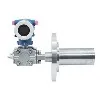
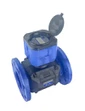

Flowmeter
HY Field Instrument Co., Ltd. has been focusing on field instruments for more than ten years. Our product lines include flowmeters, level meters, pressure transmitters, analytical instruments, etc. The main products include electromagnetic flowmeter, Coriolis mass flowmeter, vortex flowmeter, ultrasonic flowmeter; radar level meter, ultrasonic flowmeter, capacitive pressure transmitter, online density meter, etc.

Our Advantages
Advanced Production Equipment
Automatic welding machines, laser welding machines, argon arc welding machines, electric heating constant temperature ovens, spot welding machines, high and low temperature test chambers, calibration systems, etc. from well-known suppliers can ensure high-precision production of instruments.
Reliable Product Quality
Our company has passed ISO9001 certification, and our products have obtained CE, Exploreproof, Atex, and other certifications, with very high reliability.
Extensive Sales Market
Our products are exported to more than 80 countries and regions including the United States, Germany, France, Italy, Brazil, Chile, Vietnam, Saudi Arabia, and the United Arab Emirates, and have reached annual sales of more than 5 million US dollars.
Comprehensive Service
We provide professional product introduction, technical exchange, product design, troubleshooting, and other services. At the same time, technical and inspection personnel will conduct return visits to customers to continuously improve product experience.
-
![Ultrasonic Water Meter]() Ultrasonic Water MeterRead More
Ultrasonic Water MeterRead MoreThis series of ultrasonic water meter has many advantages, such as wider mea- surement range, ultra low power consumption, stable and reliable performance, etc.Every single part of this series
-
![Lugb Vortex Flowmeter For Gas, Liquid And Steam]() Lugb Vortex Flowmeter For Gas, Liquid And SteamRead More
Lugb Vortex Flowmeter For Gas, Liquid And SteamRead MoreYantai Haiyu Instrment Co.,Ltd. is a Pofessional manufacturer and supplier of automation products,such as flowmeter, level transmitters,pressure transmitters,etc. It passed ISO9000 certified.
-
![High Accuracy Gas Turbine Flowmeter]() High Accuracy Gas Turbine FlowmeterRead More
High Accuracy Gas Turbine FlowmeterRead MoreGas turbine flow meters are mainly used for measuring the flow rate of medium fluids such as air, nitrogen, oxygen, hydrogen, biogas, natural gas, steam, etc. in industrial pipelines. When measuring
-
![Water Flow Meter]() Water Flow MeterRead More
Water Flow MeterRead MoreWater industry: Revenue metering, district metering waterabstraction, leakage detection
-
![Thermal Mass Gas Flowmeter For Biogas]() Thermal Mass Gas Flowmeter For BiogasRead More
Thermal Mass Gas Flowmeter For BiogasRead MoreIt is real mass flow meter not require temperature and pressure compensation for gas flow measurement, and the measurement is convenient and accurate. A mass flow rate of the gas or a standard volume
-
![24VDC And Battery Powered Vortex Flowmeter]() 24VDC And Battery Powered Vortex FlowmeterRead More
24VDC And Battery Powered Vortex FlowmeterRead MoreNominal diameter(mm): 15、20、25,40,50,65,80,100,125,150,200,250,300,(300~1000 Plug-in). Nominal pressure(MPa): DN15-DN200 4.0(>4.0 Agreement supply),DN250-DN300 1.6(>1.6 Agreement supply). Medium
-
![Steam Flowmeter]() Steam FlowmeterRead More
Steam FlowmeterRead MoreReliable Product QualityOur company has passed ISO9001 certification, and our products have obtained CE, Exploreproof, Atex, and other certifications, with very high reliability.
-
![Temperature And Pressure Compensate Vortex Flowmeter]() Temperature And Pressure Compensate Vortex FlowmeterRead More
Temperature And Pressure Compensate Vortex FlowmeterRead MoreNominal diameter(mm): 15、20、25,40,50,65,80,100,125,150,200,250,300,(300~1000 Plug-in). Nominal pressure(MPa): DN15-DN200 4.0(>4.0 Agreement supply),DN250-DN300 1.6(>1.6 Agreement supply). Medium
-
![Rosemount 3051C Smart Pressure Transmitter]() Rosemount 3051C Smart Pressure TransmitterRead More
Rosemount 3051C Smart Pressure TransmitterRead MoreDifferential, Gauge or Absolute pressure measurements Elevates safety in the workplaceConfigurable to fit many applicationsFor use with flanges or Coplanar platformInstalled five year stability of
-
![Radar Open Channel Flowmeter]() Radar Open Channel FlowmeterRead More
Radar Open Channel FlowmeterRead MoreThe open channel flow meter is mainly composed of a radar velocity meter and aradar level meter
-
![Oval Gear Flow Meter For Diesel]() Oval Gear Flow Meter For DieselRead More
Oval Gear Flow Meter For DieselRead MoreFEATURES-Spiral rotor rotates evenly with low vibration.-Wide measuremen range and good repeatability.-High accuracy up to ±0.2%.-Not sensitive to the viscosity change-Higher viscosity liquids
-
![Compact Vortex Flowmeter]() Compact Vortex FlowmeterRead More
Compact Vortex FlowmeterRead MoreNominal diameter(mm): 15、20、25,40,50,65,80,100,125,150,200,250,300,(300~1000 Plug-in). Nominal pressure(MPa): DN15-DN200 4.0(>4.0 Agreement supply),DN250-DN300 1.6(>1.6 Agreement supply). Medium


A flow meter (or a flow sensor) is a type of flow instrument that is used to indicate the amount of liquid, gas, or vapor moving through a pipe or conduit by measuring linear, non-linear, mass, or volumetric flow rates.

Common Types of Flowmeters


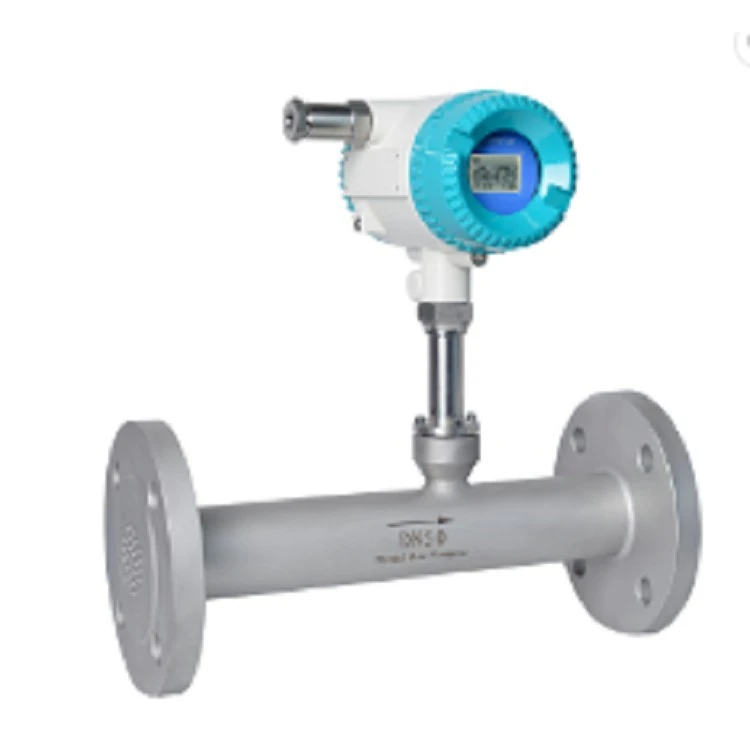
DP Meters
Differential Pressure is the oldest industrial measurement technology still in use today, with a proven documented history of performance. Our ongoing research ensures that the 100-year-old design is fine-tuned for today’s flow meters. The differential pressure flow meter is the most widely used flow technology in industrial process measurement and control, natural gas custody transfer measurement and many other applications.
Magnetic Meters
Electromagnetic flow meters (known more simply as magnetic flow meters, or mag meters), represent the second largest segment within the precision flow meter market, and will likely overtake the top position held by traditional Differential Pressure (DP) flow technologies. Magnetic flow meters are a top choice for measuring the volumetric flow of conductive liquids due to their excellent measurement performance across a wide range of process conditions.
Ultrasonic Meters
Ultrasonic meters are commonly used for custody transfer and fiscal oil and gas measurement. An ultrasonic flow meter measures the velocity of a fluid in a closed pipe using ultrasonic sound pulses. However, process conditions such as composition, pressure and temperature dictate which type of ultrasonic meter is most appropriate.
Vortex Meters
Vortex meters can be used to measure gases and low-viscosity liquids over a wide range of conditions, and with the recent development of multivariable flow measurement capability, they can also directly output referred units such as gas standard volume, liquid standard volume, mass flow, and energy/heat index values such as British Thermal Units (BTU). Vortex meters have exhibited steady growth in recent years, primarily due to their adoption in saturated steam and oil & gas applications.
Benefits of Flowmeter
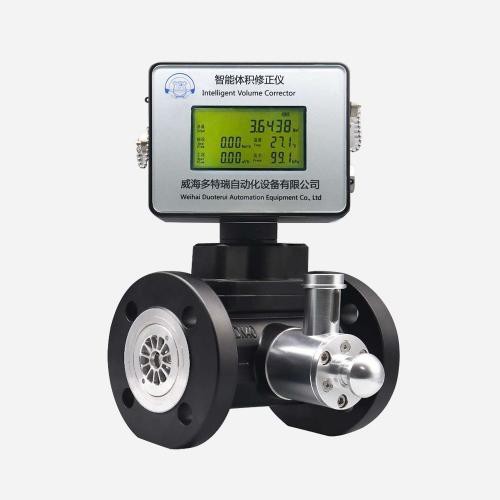
Accuracy
Accuracy is one of the key benefits of flowmeters. They give accurate measurements of fluid flow rates, enabling businesses to monitor their processes and identify any issues that may be impacting operations. This degree of precision may help organizations enhance product quality, eliminate waste, and optimize manufacturing processes.
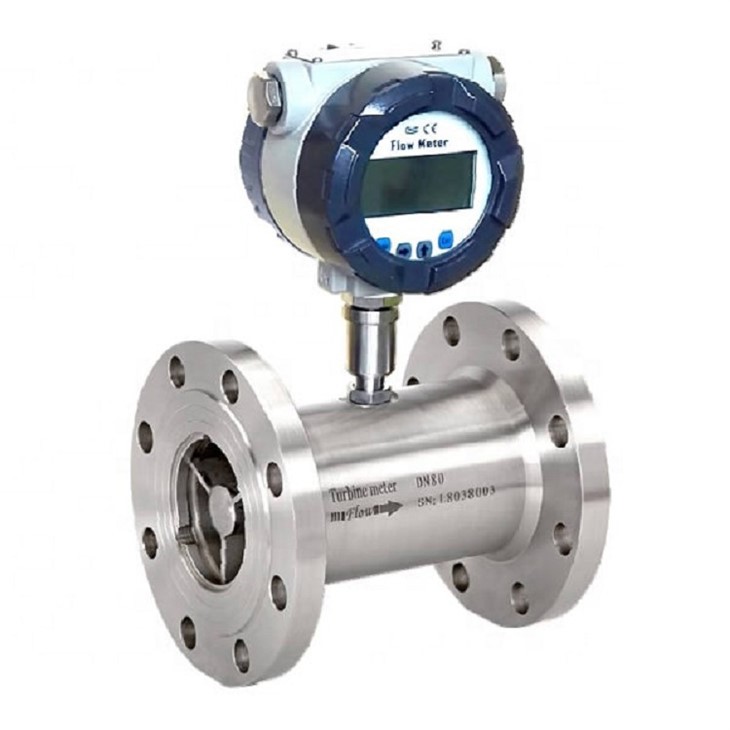
Cost-Effective
Flowmeters are an economical means of monitoring fluid flow rates. They are low-maintenance and long-lasting, requiring minimal upkeep. The precise measurement data they give can aid firms in identifying inefficiencies and minimizing waste, so saving them money over time.

Versatility
Flowmeters may be used in a variety of applications to measure the flow rate of liquids and gases. They may be mounted in pipelines, tanks, and other systems, making them an adaptable monitoring device for fluid flow rates.

Simple Installation
Flowmeters are simple to install and may be adapted to existing systems without major adjustments. Its ease of installation makes them a convenient alternative for firms who wish to improve their fluid management without interrupting operations.

Real-Time Monitoring
Flowmeters enable real-time monitoring of fluid flow rates, enabling organizations to promptly discover any operational problems. This real-time monitoring may aid organizations in optimizing their operations, reducing waste, and enhancing product quality.

Regulatory Conformity
There are laws controlling the measuring of fluid flow rates in several sectors. Flowmeters offer a precise and dependable method for complying with these laws, allowing businesses to avoid any penalties or fines that may arise from noncompliance.
Application of Flowmeter
Oil & Gas
Oil and gas manufacturing requires flow meters for many reasons. The main purpose is to measure the volume of the liquids and natural gases at many different points in the process. The oil and gas industries must properly measure flows regardless of whether they are pure or not as well as when flowing long distances. The oil industry uses flow meters to measure the volume of oil flowing from one point to the other. The natural gas industry uses flow meters for the same reasons as the oil industry. They need flow meters to show and record how much gas is flowing and processing. Both oil and gas use flow meters to record and monitor their various systems and processes.


Wastewater & Water Utilities
From wastewater to drinking water, flow meters are critical for the wastewater and water utilities industry. The water industry currently endures significant challenges caused by rapid urbanization, climate change, and rising customer demands; thus, the industry must accurately measure wastewater, such as sewage and other waste. Flow meters can prevent clogs in systems with thicker wastewater, such as sludge. Water utilities also need flow meters for potable drinking water. They must accurately measure the correct amount of water that reaches each sector, such as in a city grid. This is very important so people have access to clean drinking water.
Food & Beverage
The food and beverage industry is usually characterized by a high water consumption and considerable waste water discharge volumes. For this reason, they face significant costs for water supply and trade effluent disposal. Expenses for water supply and waste disposal, increased global competition in the food & beverage industry, rising of raw material costs, and energy supply rates drive the important of having more efficiently and optimized production processes.
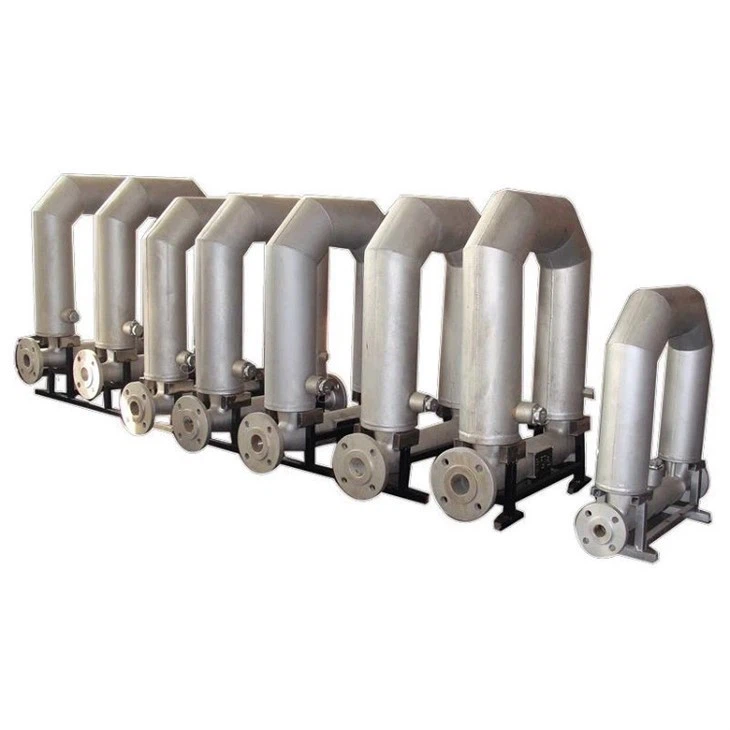
Working Principle of Flowmeter
Magnetic Flow Meter
There are many types of flow meters available for use in industrial automation. Depending on the product to be measured, whether it be liquid or gas, some basic principles apply to how the meters work. Let’s take a Magnetic Flow Meter or mag meter. The measured liquid must be water based or conductive. This makes the mag meter a great choice for waste water or process water that is considered fouled or dirty. Mag meters are volumetric meters that have no moving parts. This is ideal for those areas where you wouldn’t want to be exposed to the measured liquid while working on the meter. The way a mag meter works is based on a formula called Faraday’s formula. Firstly, again, the liquid must be conductive. A voltage is measured that is dependent on the average velocity of liquid times the strength of the magnetic field times the length of the conductor (this is the distance between the electrodes).
Mechanical Flow Meter
While mag meters work based on Faraday’s formula, other flow meters work in different ways. For instance, a mechanical flow meter has some moving, internal parts which may not fit with specific applications such as dirty water that carries large particles that may cause damage or obstruct the internal parts. The mechanical flow meter has a rotational device inside such as a paddle wheel or a propeller. Liquid flowing through a pipe causes the rotation of the internal paddle, which creates a flow rate that is proportional to the rotational speed of the internal paddle. The mechanical flow meter is easier for laymen to understand. Peddling a bicycle slowly moves you slowly, while pedaling quickly will move you much faster. Direct correlation between how fast the pedals rotate (therefore wheels) and how fast you go down the road. No formula needed, just pedal faster, move faster. Same principle as the internal paddle, the faster it is rotating, the more flow going through the pipe which in turn, sends a graduated signal to your PLC.
Vortex Flow Meter
Yet still, there are other types of flow meters. There’s vortex, which measures vortices, essentially, a sensor tab will bend and flex from side to side as the vortex passes. The bend and flex action will then produce an output frequency that is proportional to volumetric flow.
Ultrasonic Flow Meter
The principle behind these meters is that an ultrasonic signal is transmitted downstream or in the direction of the flow while another signal is transmitted upstream. The delta or differential time is used to calculate the velocity of the liquid. That velocity is then used to calculate the volumetric flow through the pipe.
Factors to Consider Before Choosing a Flowmeter
Determine the Type of Flow Meter Required
There are different flow meter technologies, each suited to specific types of fluid. Common technologies include the diaphragm, venturi, float, electromagnetic, vortex, ultrasonic, Coriolis, and thermal flowmeters. Choose the one that best suits your application.
Take Into Account Specific Parameters
To choose the right flow meter, take into account parameters such as fluid density, pressure, temperature and any pressure drops. These factors can influence how well the flowmeter works in your application.
Consider Installation Requirements
The conditions in which the flow meter is mounted can have an impact on its accuracy and performance. Take into account installation constraints such as pipe bends, valves, and constrictions. Some types of flow meters are more sensitive to these disturbances than others.
Check out Reputable Brands
Choose flow meter brands that are well-known and reliable on the market. A brand's reputation is often an indicator of the quality and performance of its products.
Tips for Flowmeters

Selection
One of the biggest factors that affects flow meter accuracy is the selection and installation of the correct device. In order to select the best possible flow meter for your application, you should make yourself familiar with the particular requirements of your system and the process fluid the flow meter will be measuring. Other factors that should contribute to your flow meter selection decision include the facility’s employees familiarity with the system, the availability of an expert who can provide troubleshooting services for the system if problems arise, cost of installation, and more.

Installation & Calibration
The next factor that contributes to flow meter accuracy is the installation and calibration of the flow meter. If your flow meter is not installed and calibrated properly, you have a very slim chance of sustaining accurate readings. Be sure that whoever is installing and calibrating the flow meters at your facility has a high level of familiarity and expertise with both the flow meter itself and the process fluid it will be used for. After the flow meter is installed, a calibration test should be performed under normal operating conditions with all the variables that may affect flow rates.

Maintenance
Finally, the best way to maintain the accuracy of your flow meter after you have selected, installed, and calibrated the equipment correctly is to perform regular maintenance on the flow meter. Almost all kinds of equipment require regular maintenance and upkeep to keep them running at peak performance, and flow meters are no different. Flow meters and the piping they are attached to should be inspected regularly, especially if the fluid moving through them is dirty or viscous. If you have noticed inaccuracies with your flow meters, you should have an industry expert troubleshoot them as soon as possible!
Our Certificate
In order to ensure the quality of our products, our company has passed ISO9001 quality system certification, and our products have obtained CE, Exploreproof, Atex, and other certifications.


Our modern factory is equipped with multiple production lines. The flow meters, liquid level meters, pressure transmitters, temperature sensors, and transmitters we produce are widely used in the petrochemical industry, natural gas, environmental engineering, pharmaceutical engineering, food engineering, water treatment, Marine engineering, and other fields.
Ultimate FAQ Guide to Flowmeters
As one of the most professional flowmeter manufacturers and suppliers in China, we're featured by quality products and low price. Please rest assured to buy customized flowmeter from our factory. Contact us for pricelist and quotation.
rotameter flowmeter, low flow flowmeter, corrosion resistant flowmeter