


Level Meter
HY Field Instrument Co., Ltd. has been focusing on field instruments for more than ten years. Our product lines include flowmeters, level meters, pressure transmitters, analytical instruments, etc. The main products include electromagnetic flowmeter, Coriolis mass flowmeter, vortex flowmeter, ultrasonic flowmeter; radar level meter, ultrasonic flowmeter, capacitive pressure transmitter, online density meter, etc.

Our Advantages
Advanced Production Equipment
Automatic welding machines, laser welding machines, argon arc welding machines, electric heating constant temperature ovens, spot welding machines, high and low temperature test chambers, calibration systems, etc. from well-known suppliers can ensure high-precision production of instruments.
Reliable Product Quality
Our company has passed ISO9001 certification, and our products have obtained CE, Exploreproof, Atex, and other certifications, with very high reliability.
Extensive Sales Market
Our products are exported to more than 80 countries and regions including the United States, Germany, France, Italy, Brazil, Chile, Vietnam, Saudi Arabia, and the United Arab Emirates, and have reached annual sales of more than 5 million US dollars.
Comprehensive Service
We provide professional product introduction, technical exchange, product design, troubleshooting, and other services. At the same time, technical and inspection personnel will conduct return visits to customers to continuously improve product experience.
-
![High Accuracy Radar Liquid Level Transmitter]() High Accuracy Radar Liquid Level TransmitterRead More
High Accuracy Radar Liquid Level TransmitterRead MoreMeasuring medium: LiquidMeasuring range: 0.2m~30m/0.3~150m Process connection:Flange ≥DN80 Process temperature: -40~120℃ Process pressure: -0.1~1.0 MPaAntenna size:76mm lens antenna Process pressure:
-
![Radar Level Transmitter For Cement Podwer]() Radar Level Transmitter For Cement PodwerRead More
Radar Level Transmitter For Cement PodwerRead MoreMeasuring medium: SolidMeasuring range: 0.1m~30m/0.3~150m Process connection:Flange ≥DN80 Process temperature: -40~80℃/-40~120℃ Process pressure: -0.1~0.3 MPa
-
![Radar Level Transmitter For Solid Or Powder]() Radar Level Transmitter For Solid Or PowderRead More
Radar Level Transmitter For Solid Or PowderRead MoreMeasuring medium: SolidMeasuring range: 0.1m~30m/0.3~150m Process connection:Flange ≥DN80 Process temperature: -40~80℃/-40~120℃ Process pressure: -0.1~0.3 MPa
-
![Glass Plate Level Gauge Manufacturer]() Glass Plate Level Gauge ManufacturerRead More
Glass Plate Level Gauge ManufacturerRead MoreGlass plate level gauge is divided into three kinds: transparent type glass plate level gauge, reflection-type glass plate level gauge and sight glass type glass plate level gauge. The level gauge is
-
![Glass Plate Level Gauge For Liquid]() Glass Plate Level Gauge For LiquidRead More
Glass Plate Level Gauge For LiquidRead MoreGlass plate level gauge is divided into three kinds: transparent type glass plate level gauge, reflection-type glass plate level gauge and sight glass type glass plate level gauge. The level gauge is
-
![80G Radar Level Transmitter For Corrosive Liquid]() 80G Radar Level Transmitter For Corrosive LiquidRead More
80G Radar Level Transmitter For Corrosive LiquidRead MoreMeasuring medium: LiquidMeasuring range: 0.1m~30mProcess connection: Thread G½A /1 ½NPTFlange ≥DN40Process temperature: -40~80℃Process pressure: -0.1~0.3 MPaAntenna size:32mm lens antennaAntenna
-
![Ecnomic 80G Radar Level Transmitter]() Ecnomic 80G Radar Level TransmitterRead More
Ecnomic 80G Radar Level TransmitterRead MoreMeasuring medium: LiquidMeasuring range: 0.1m~10mProcess connection: Thread G¾A / ¾NPTFlange ≥DN25Process temperature: -40~100℃Process pressure: -0.1~1.6 MPaAntenna size:21mm lens antennaAntenna
-
![Magnetic Plate Level Meter]() Magnetic Plate Level MeterRead More
Magnetic Plate Level MeterRead MoreMain Features◆ Turned column shell is made of ABS, nylon, high temperature ceramic differentmaterial, do not fade, high temperature◆ measure liquid level, interface level◆ wide measuring range,
-
![Low Cost Cable Ruler Deep Well Water Level Meter]() Low Cost Cable Ruler Deep Well Water Level MeterRead More
Low Cost Cable Ruler Deep Well Water Level MeterRead MoreOur Cable Water Level Meter provides the most accurate method of measuring the water level,typically used for measuring wells, drilling and pipe’s water level. The instrument can be usedduring
-
![HYL04 Smart Submersible Level Transmitter]() HYL04 Smart Submersible Level TransmitterRead More
HYL04 Smart Submersible Level TransmitterRead More Smart level transmitter Probe insertion measurement mode, small size, simple and convenient installation HART protocol option RS485-MODBUS protocol option Multi protection structure design,
-
![HYL03 Submersible Level Transmitter]() HYL03 Submersible Level TransmitterRead More
HYL03 Submersible Level TransmitterRead MoreTypical ApplicationDepth and level measurement in Wells Reservoirs Lakes Rivers Sewage treatment plant Water tank Ground water monitoring Surface water monitoring
-
![HYL02 Submersible Level Transmitter]() HYL02 Submersible Level TransmitterRead More
HYL02 Submersible Level TransmitterRead MoreTypical Application: Depth and level measurement in Wells Reservoirs Lakes Rivers Sewage treatment plant Water tank Ground water monitoring Surface water monitoring


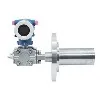
Level transmitters are basically an instrument that provide continuous level measurement, and can be used to determine the level of a given liquid or bulk-solid at any given time.
Common Types of Level Meter
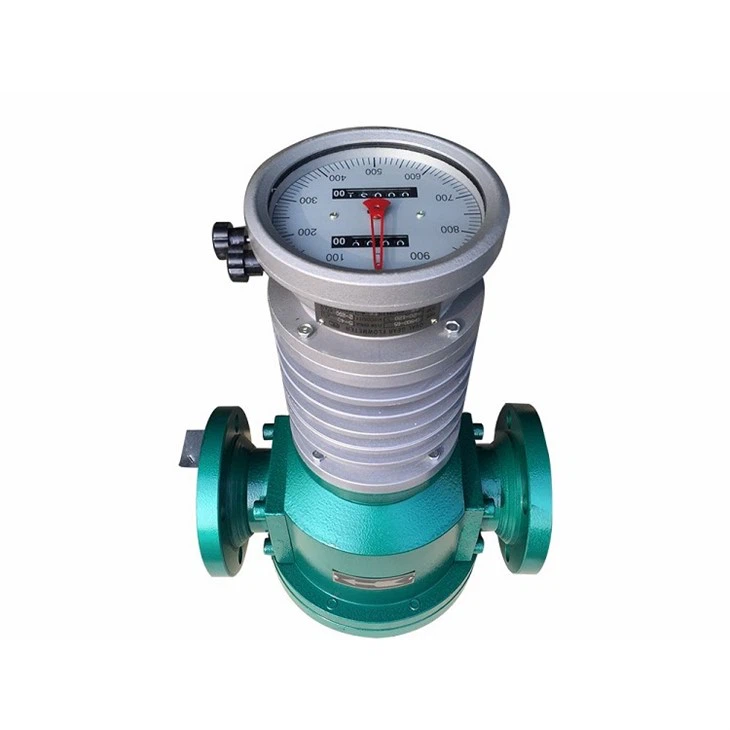
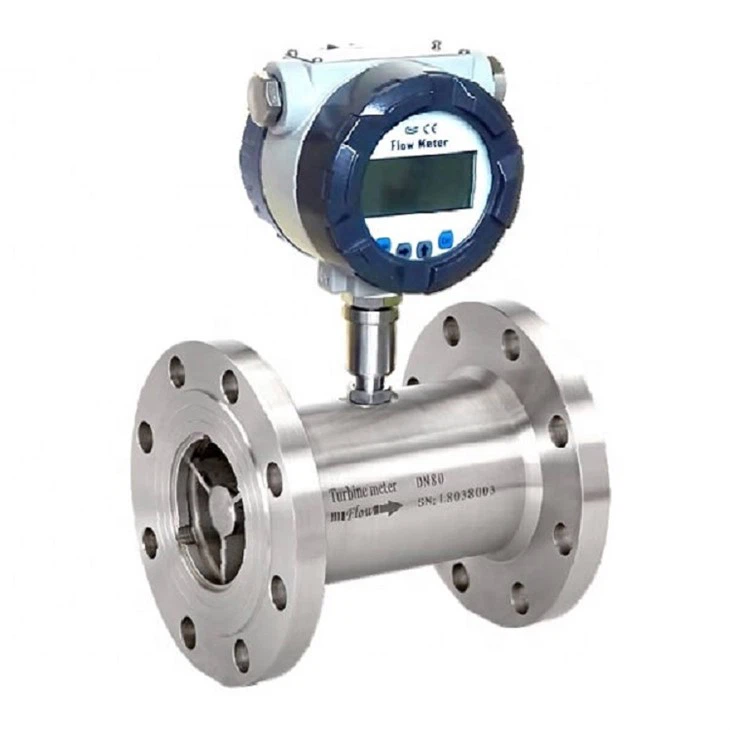
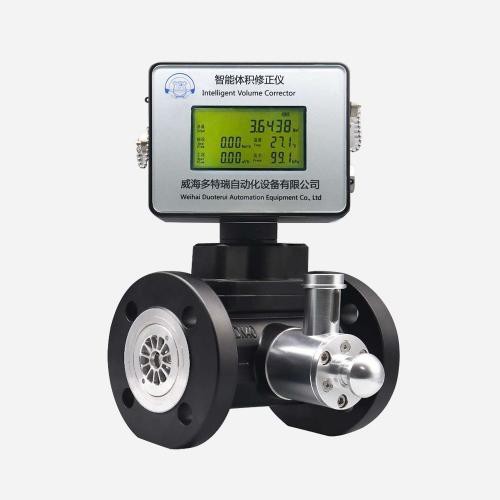

Liquid Level Transmitters
Liquid Level Transmitters detect levels of liquids. Liquid level transmitters also detect interfaces between liquids such as oil and water. You will find liquid-level transmitters in storage, transport, and water storage tanks. These transmitters measure the level by measuring the head pressure of the liquid.
Ultrasonic Level Transmitter
Ultrasonic transducers mounted at or near the top of a container use an ultrasonic pulse. The pulse hits the surface of the liquid and reflects. The sensor then calculates the fill level based on the time between the transmitted and received signal.
Capacitance Level Transmitters
The principle of capacitive level measurement is based on a change in capacitance. An insulated electrode acts as one capacitor plate, and the tank wall acts as the other plate. The capacitance depends on the fluid level. An empty tank has a lower capacitance, while a filled tank has a higher capacitance. By measuring the variations in capacitance, the transmitters calculate the fill level of the tank.
Hydrostatic Level Transmitters
A hydrostatic level sensor measures the hydrostatic pressure in a liquid at a pre-determined depth. Hydrostatic level sensors measure fluid levels by the pressure of the resting body of the fluid within the vessel. The greater the force of liquid, the greater the volume of fluid.
Magnetic Level Transmitters
These transmitters use a magnetic object suspended in a buoyant float. This transmitter is suitable for continuous measurement due to the rise and sink of the float based on the liquid level. Utilizing a combination of proven buoyancy principles with the benefits of magnetism, magnetic-level transmitters can fit almost any process.
Radar Fill Level Transmitters
These transmitters work on the principle of radar based on electromagnetic waves at a range of 10GHz under microwave X-band bandwidth. Mounted at the top of a tank filled with a liquid, the transmitter sends a radar signal into the liquid and receives a reflection of the signal. The transmitter then analyzes the current fill level of the tank based on the time the transmitted signal takes to return.
Guided Microwave Level Transmitters
These transmitters send a microwave pulse through a sensor cable or rod. The signal hits the surface of the liquid and travels back to the sensor. The electronics integrated into the transmitter housing determine the fill level based on the time taken by the signal to travel down the sensor and back.
Benefits of Level Meter
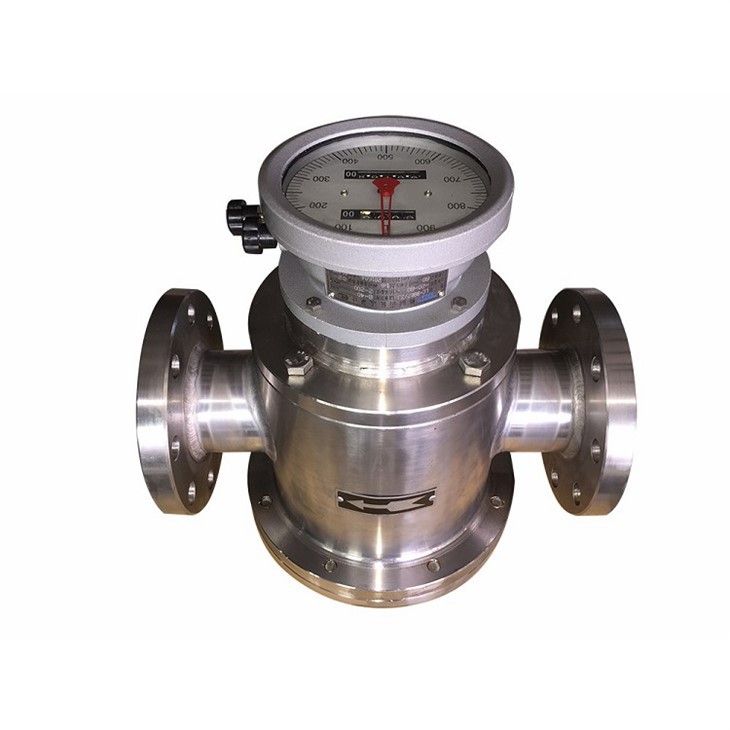
01
Superior Accuracy
Radar level transmitters reach unmatched accuracy by utilising modern signal processing techniques to produce very precise and reliable level measurements. These transmitters excel in giving exact data, optimising process control, and assuring operational efficiency even in hostile settings characterised by severe temperatures, pressure differentials, or vapours.

02
Non-Contact Measurement
The ability of radar level transmitters to measure levels without making physical contact with the substance is its defining characteristic. This non-intrusive technology reduces the possibility of contamination, corrosion, or sensor damage, making it perfect for applications demanding the highest level of purity and sensitivity.

03
Versatility Across Materials
Radar-level transmitters are intended to work with a wide range of materials, including liquids, slurries, granules, and powders. Their measuring precision is unaffected by changes in density, viscosity, or dielectric constant, allowing for accurate measurements in a wide range of industries and applications.
04
Range Capability
Using radar technology, these transmitters have outstanding measuring ranges, allowing for exact level detection in towering tanks or deep vessels. They easily penetrate vapours, foam, or dust, ensuring accurate readings even under the most difficult operating circumstances.
Application of Level Meter

Ultrasonic Level Sensors
The ultrasonic level sensors are used to control the liquid level, fine-grained solids within mining and powders, food and beverage industries and chemical processing.

Capacitance Level Sensors
They are commonly used in applications like Tank level monitoring in chemical, water treatment, food, battery industries and involving high pressure and temperature.

Optical Level Sensors
Optical level sensors are used to detect liquids including poised materials, interface between two immiscible liquids, and the occurrence of sediments. Continuous optical level sensors, on the other hand, use highly intense laser light that can infuse dusty environments and notice liquid substances. They are commonly used in applications like leak detection and tank level measurement.

Microwave Optical Sensors
These types of sensors are used for applications like varying temperature, pressure, dirty and moist environments, as microwaves can easily go through under these situations without involving air molecules for energy transmission. Microwave Optical sensors can notice conductive water & metallic substances. They are commonly used in applications like vaporous, Moist, and dusty environments. They are also used in systems in which temperatures differ.
Working Principle of Level Meter
Shanghai Jwell machinery Workshop co-operation projects

Ultrasonic Level Transmitter
Ultrasonic level transmitter working principle is based on the principle of time of flight. It is a non-contact type level transmitter that is installed on the top of the tank above the process media in the tank. Audible Sound Frequency is up to 20kHz. Above 20kHz is Ultrasonic sound which is used to measure the level. Ultrasonic Level detection operates by the resonance ring time of an ultrasound signal transmitted from and received by the same sensor mounted on the top of the tank. It’s a simple matter of digital electronics to calculate the level of the process fluid or solid know the speed of the signal & the time of flight . This happens on a continuous basis.

Radar Level Transmitter
The Microwave signal reflects from the top of the process surface & the same time of flight principle applies here too. The amount of microwave reflected depends upon the dielectric constant of the process media. The advantage of Microwave Technology is these signals are relatively un effected by changes in pressure & temperature in the process & very accurate. Of course, here the Radar signals travel along guide wires while the same principle of time of flight applies here too.

Hydrostatic Level Transmitter
The hydrostatic level transmitter works based on pressure measurement. The working principle of hydrostatic level transmitter pressure at the bottom of a vertical vessel containing materials is directly proportional to the height of the vessel. This principle allows us to measure the level (height) of liquid in a vessel. Hydrostatic level transmitters are loop-powered and cost-effective transmitters that measure the liquid level accurately. As the hydrostatic level transmitter is in compact size it fits perfectly with smaller size pipes. Due to its high reliability and robustness, it is highly popular among industries.
Factors to Consider Before Choosing a Level Meter
1.Measurement
A level transmitter is perfect for a condition where the exact level of fluid needs to be measured. This is usually preferred for applications where precise measurement becomes a necessity. A level switch is an ideal choice for applications where extremely low or high levels need to be measured. These devices help prevent leaks, overfills, and dry situations.
2.Understand Environmental Factors
The choice of a level transmitter or a level switch will depend on various environmental factors such as:
● Pressure and Temperature
Effects of temperature and pressure on transmitters or level switches may vary if the material undergoes a transition from one state to another. These devices are available in different materials and designs. So, you need to understand the temperature and pressure impact on a particular material, before selecting them for your application.
● Range of Measurement
Continuous level transmitters are used for level sensing dry or liquid materials within a specified range. They measure over a large range of levels which helps the user understand the right amount of substance. Most continuous level transmitters produce an analog output to indicate the level of fluid in the container. Against this, level switches are suited for point measurements.
● Type of Output
Level switches and transmitters are suited for producing different types of outputs – relay, analog, and digital.
● Chemical Compatibility
These level sensing devices may be used with a variety of liquid media. At times, the housing of the transmitter may come in contact with the media, which may affect its integrity. It is important to address the concern of the impact of different chemical media on sensors.
● Tank Size and Shape
The choice of level sensing device may also depend on the tank size and shape. Extra narrow or wide tanks may have specific requirements.
A fair consideration of these factors will aid you in making the right selection.
Tips for Level Meter
Regular Inspection
Conduct visual inspections of the level transmitter to check for any physical damage, loose connections, or signs of corrosion.
Calibration Verification
Periodically verify the calibration of the level transmitter using a calibrated reference. Adjust the transmitter if necessary to maintain accurate and reliable measurements.
Cleaning
Clean the level transmitter regularly to remove any dirt, dust, or residue that may affect its performance. Use a non-abrasive cleaning agent and a soft cloth or brush to clean the transmitter and its components.
Sensor Maintenance
If the level transmitter uses a sensor or probe, inspect it for any buildup of debris, sediment, or coating. Clean the sensor following the manufacturer's guidelines to ensure proper functionality.
Electrical Connections
Ensure all electrical connections are secure and free from corrosion. If necessary, clean and tighten the connections to maintain good electrical conductivity.
Seal Inspection
If the level transmitter has seals or gaskets, inspect them for any signs of wear or damage. Replace any faulty seals to prevent leakage and ensure accurate readings.
Our Certificate
In order to ensure the quality of our products, our company has passed ISO9001 quality system certification, and our products have obtained CE, Exploreproof, Atex, and other certifications.


Our modern factory is equipped with multiple production lines. The flow meters, liquid level meters, pressure transmitters, temperature sensors, and transmitters we produce are widely used in the petrochemical industry, natural gas, environmental engineering, pharmaceutical engineering, food engineering, water treatment, Marine engineering, and other fields.
Ultimate FAQ Guide to Flowmeters
As one of the most professional level meter manufacturers and suppliers in China, we're featured by quality products and low price. Please rest assured to buy customized level meter from our factory. Contact us for pricelist and quotation.