Hey there! As a supplier of DP Type Density Meters, I often get asked about the power consumption of these nifty devices. So, let's dig into it and find out what the deal is with the power consumption of a DP Type Density Meter.
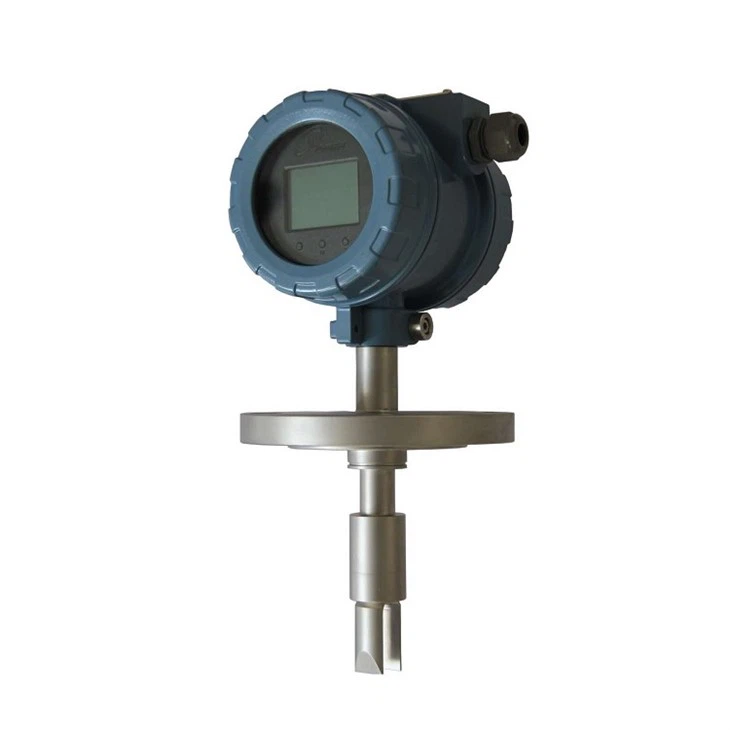
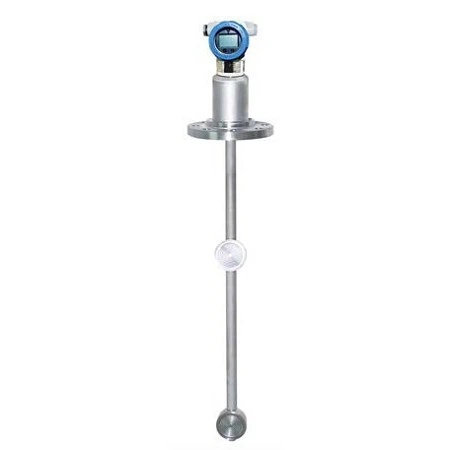
First off, let's understand what a DP Type Density Meter is. It's a device that measures the density of liquids or slurries based on the differential pressure principle. It's widely used in various industries like chemical, food and beverage, and oil and gas. There are different types of DP Type Density Meters, such as the Side Mounted Liquid Density Meter, Top Mounted Online Density Meter, and Fork Type Density Meter.
Now, when it comes to power consumption, it's influenced by several factors. One of the main factors is the design and technology of the meter. Modern DP Type Density Meters are designed to be energy - efficient. They use advanced electronics and sensors that require less power to operate.
The power consumption also depends on the operating mode of the meter. Some meters can be set to different modes, like continuous measurement or intermittent measurement. In continuous measurement mode, the meter is constantly taking readings, which means it will consume more power compared to the intermittent mode. In intermittent mode, the meter takes readings at specific intervals, and during the intervals when it's not taking readings, it consumes very little power.
Another factor is the additional features of the meter. For example, if the meter has a built - in display, communication interfaces (like RS485, Modbus, etc.), or data logging capabilities, these features will add to the power consumption. A meter with a large, backlit display will use more power than one with a simple, non - backlit display.
Let's talk numbers. On average, a basic DP Type Density Meter without too many additional features might consume around 5 - 10 watts of power. However, if the meter has advanced features like a high - resolution display, multiple communication ports, and continuous data logging, the power consumption could go up to 15 - 20 watts.
It's important to note that these are just rough estimates. The actual power consumption can vary depending on the specific model and manufacturer. Some manufacturers have managed to develop meters with extremely low power consumption, which is great for applications where power is limited, like in remote locations or battery - powered setups.
For example, in a chemical plant where multiple DP Type Density Meters are used, the cumulative power consumption can be a significant factor. A plant manager might want to choose meters with lower power consumption to reduce the overall energy costs. On the other hand, in a research laboratory where accurate and continuous data is required, the power consumption might be a secondary concern compared to the accuracy and functionality of the meter.
When it comes to power sources, DP Type Density Meters can be powered in different ways. They can be connected to a standard AC power supply, which is common in industrial settings. Some meters can also be powered by DC power sources, like batteries or solar panels. This is particularly useful in remote areas where AC power is not readily available.
If you're using a battery - powered DP Type Density Meter, you need to be aware of the battery life. The battery life will depend on the power consumption of the meter and the capacity of the battery. For a meter with low power consumption, a standard battery might last for several months, while a meter with higher power consumption might require more frequent battery changes.
In terms of energy efficiency, manufacturers are constantly working on improving the design of DP Type Density Meters. They are using more efficient electronic components and optimizing the algorithms of the meters to reduce power consumption without sacrificing accuracy.
Now, if you're in the market for a DP Type Density Meter, you need to consider your specific requirements. If power consumption is a major concern for you, look for meters that are specifically advertised as energy - efficient. You can also compare the power consumption specifications of different models from various manufacturers.
When choosing a meter, don't just focus on power consumption. You also need to consider factors like accuracy, reliability, ease of use, and compatibility with your existing systems. A meter with low power consumption but poor accuracy might not be a good choice for your application.
We, as a supplier, offer a wide range of DP Type Density Meters to suit different needs. Whether you need a simple, low - power meter for a small - scale application or a high - end meter with advanced features for a large industrial plant, we've got you covered.
If you're interested in learning more about our DP Type Density Meters, their power consumption, or other features, feel free to reach out to us. We can provide you with detailed product specifications, power consumption data, and answer any questions you might have. We're always ready to help you find the right meter for your specific requirements.
So, if you're looking to purchase a DP Type Density Meter, don't hesitate to start a conversation with us. We can guide you through the selection process and ensure that you get a meter that meets your needs in terms of both performance and power consumption.
References:
- "Industrial Density Measurement: Principles and Applications" - A technical book on density measurement techniques.
- Manufacturer's datasheets of various DP Type Density Meters.