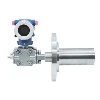
A concentration meter is a crucial instrument used in various industries to measure the concentration of a particular substance within a solution. As a leading supplier of concentration meters, I have witnessed firsthand the significance of these devices in ensuring the quality, efficiency, and safety of numerous processes. In this blog post, I will delve into what a concentration meter is, how it works, its applications, and the different types available.
What is a Concentration Meter?
A concentration meter is a device designed to determine the amount of a specific solute present in a given volume of solvent. It provides a quantitative measurement of the concentration, which is typically expressed in units such as grams per liter (g/L), moles per liter (mol/L), or percentage by mass or volume. By accurately measuring concentration, industries can control and optimize their processes, maintain product quality, and ensure compliance with regulatory standards.
How Does a Concentration Meter Work?
Concentration meters employ various principles and technologies to measure concentration. Some of the most common methods include:


- Refractometry: This method measures the change in the refractive index of a solution as the concentration of the solute changes. The refractive index is a measure of how much light is bent when it passes through a substance. As the concentration of the solute increases, the refractive index of the solution also increases. Refractometers are widely used in industries such as food and beverage, pharmaceuticals, and chemical manufacturing.
- Density Measurement: Density is another physical property that can be used to determine concentration. The density of a solution is directly related to the amount of solute present. As the concentration of the solute increases, the density of the solution also increases. Density meters, such as vibrating tube density meters, are commonly used in industries such as oil and gas, petrochemicals, and water treatment.
- Conductivity Measurement: Conductivity is a measure of a solution's ability to conduct an electric current. The conductivity of a solution depends on the concentration and mobility of ions present in the solution. As the concentration of ions increases, the conductivity of the solution also increases. Conductivity meters are commonly used in industries such as water treatment, electroplating, and battery manufacturing.
- Spectrophotometry: This method measures the absorption or emission of light by a solution at specific wavelengths. The amount of light absorbed or emitted is directly related to the concentration of the solute. Spectrophotometers are widely used in industries such as pharmaceuticals, biotechnology, and environmental monitoring.
Applications of Concentration Meters
Concentration meters are used in a wide range of industries and applications, including:
- Food and Beverage Industry: Concentration meters are used to measure the sugar content in fruit juices, the alcohol content in wines and spirits, and the salt content in brines. By accurately measuring concentration, food and beverage manufacturers can ensure the quality and consistency of their products.
- Pharmaceutical Industry: Concentration meters are used to measure the concentration of active ingredients in drugs, the purity of pharmaceutical raw materials, and the concentration of buffers and solvents. By accurately measuring concentration, pharmaceutical manufacturers can ensure the safety and efficacy of their products.
- Chemical Industry: Concentration meters are used to measure the concentration of acids, bases, salts, and other chemicals in solutions. By accurately measuring concentration, chemical manufacturers can control their processes, optimize their yields, and ensure the safety of their workers.
- Water Treatment Industry: Concentration meters are used to measure the concentration of dissolved solids, salts, and other contaminants in water. By accurately measuring concentration, water treatment plants can ensure the quality of their treated water and comply with regulatory standards.
- Oil and Gas Industry: Concentration meters are used to measure the concentration of oil, gas, and other hydrocarbons in solutions. By accurately measuring concentration, oil and gas companies can optimize their production processes, reduce their environmental impact, and ensure the safety of their workers.
Types of Concentration Meters
There are several types of concentration meters available on the market, each with its own advantages and disadvantages. Some of the most common types include:
- Drinking Concentration Meter: This type of concentration meter is specifically designed for measuring the concentration of substances in drinking water. It is typically portable and easy to use, making it ideal for field applications.
- Fork Type Concentration Meter: This type of concentration meter uses a fork-shaped sensor to measure the concentration of a solution. It is commonly used in industries such as food and beverage, pharmaceuticals, and chemical manufacturing.
- Tri-clamp Sanitary Concentration Transmitter: This type of concentration meter is designed for use in sanitary applications, such as the food and beverage and pharmaceutical industries. It is typically made of stainless steel and is easy to clean and sterilize.
Why Choose Our Concentration Meters?
As a leading supplier of concentration meters, we offer a wide range of high-quality products that are designed to meet the needs of various industries and applications. Our concentration meters are:
- Accurate and Reliable: Our concentration meters are designed to provide accurate and reliable measurements, ensuring the quality and consistency of your products.
- Easy to Use: Our concentration meters are user-friendly and easy to operate, making them ideal for both experienced and novice users.
- Durable and Long-Lasting: Our concentration meters are built to last, with high-quality materials and components that are designed to withstand harsh environments and frequent use.
- Customizable: We offer a range of customizable options, allowing you to choose the concentration meter that best meets your specific needs and requirements.
Contact Us for Your Concentration Meter Needs
If you are looking for a high-quality concentration meter for your industry or application, please contact us today. Our team of experts will be happy to assist you in choosing the right concentration meter for your needs and provide you with a competitive quote. We look forward to working with you!
References
- "Principles of Instrumental Analysis" by Douglas A. Skoog, F. James Holler, and Stanley R. Crouch
- "Handbook of Analytical Chemistry" by Leo Meites
- "Instrumental Methods of Analysis" by Harvey A. Strobel and William R. Heineman