When it comes to measuring the density of liquids, liquid density meters play a crucial role in various industries such as chemical, food and beverage, and pharmaceutical. As a supplier of Liquid Density Meter, I often get asked about the weight of a typical liquid density meter. In this blog post, I will delve into the factors that influence the weight of these devices, provide some general weight ranges, and discuss why weight can be an important consideration in different applications.
Factors Influencing the Weight of a Liquid Density Meter
The weight of a liquid density meter can vary significantly depending on several key factors. These factors are essential to understand as they directly impact the overall weight and performance of the device.
1. Type of Density Meter
There are different types of liquid density meters available in the market, each with its own design and functionality. For example, a traditional hydrometer is a relatively simple device that consists of a weighted glass tube. It is one of the lightest types of density meters, usually weighing only a few grams to a couple of hundred grams. On the other hand, Online Liquid Density Meter are more complex and sophisticated. They often include electronic components, sensors, and a housing for protection. These meters can weigh anywhere from a few kilograms to tens of kilograms, depending on their size and the materials used in their construction.
2. Materials Used
The materials used in the construction of a liquid density meter have a significant impact on its weight. For instance, meters made of stainless steel are generally heavier than those made of plastic or aluminum. Stainless steel is a durable and corrosion - resistant material, which is often used in industrial applications where the meter needs to withstand harsh environments. However, its high density contributes to a greater weight. Plastic and aluminum, on the other hand, are lighter materials, but they may not be as suitable for applications where the meter is exposed to aggressive chemicals or high - pressure conditions.
3. Size and Dimensions
The size and dimensions of a liquid density meter also play a role in determining its weight. Larger meters with a greater volume of material will naturally weigh more than smaller ones. For example, a Top Mounted Online Density Meter that is designed for large - scale industrial tanks may be significantly heavier than a handheld density meter used for laboratory testing. The length, width, and height of the meter, as well as the thickness of its walls, all contribute to its overall weight.
4. Additional Features
Some liquid density meters come with additional features such as built - in displays, data logging capabilities, or wireless connectivity. These features add extra components and electronics to the meter, which in turn increase its weight. For example, a density meter with a large touch - screen display and advanced data logging functions will be heavier than a basic model without these features.
General Weight Ranges
Based on the factors mentioned above, here are some general weight ranges for different types of liquid density meters:
Handheld Density Meters
Handheld density meters are designed for portability and ease of use. They are typically used in laboratory settings or for on - site measurements. These meters usually weigh between 0.5 kg and 2 kg. Their relatively light weight makes them convenient to carry around and operate in different locations.
Benchtop Density Meters
Benchtop density meters are more suitable for laboratory applications where higher accuracy and precision are required. They are larger and more complex than handheld meters. The weight of benchtop density meters can range from 5 kg to 15 kg. They are often placed on a stable bench or table for accurate measurements.
Online Density Meters
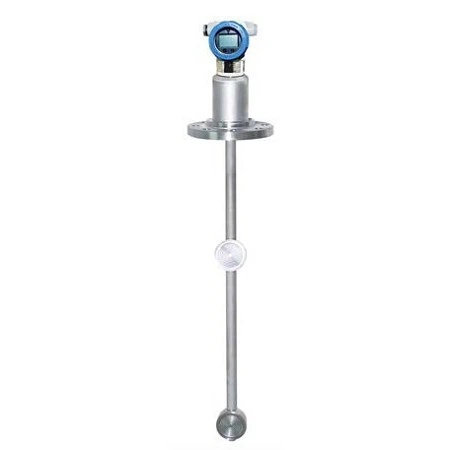
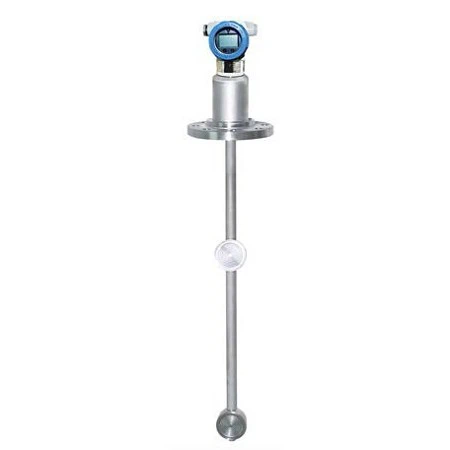
Online density meters are installed directly in industrial pipelines or tanks to provide continuous density measurements. These meters can vary widely in weight depending on their size and the materials used. Small - scale online density meters may weigh around 10 kg, while larger, more robust models used in heavy - duty industrial applications can weigh up to 50 kg or more.
Importance of Weight in Different Applications
The weight of a liquid density meter can have several implications in different applications.
Portability
In applications where the density meter needs to be moved around frequently, such as field testing or quality control inspections in different locations, a lighter weight is highly desirable. Handheld density meters are ideal for these situations as they can be easily carried by an operator from one site to another.
Installation
For online density meters that need to be installed in industrial pipelines or tanks, the weight of the meter is an important consideration. A heavy meter may require additional support structures or mounting hardware to ensure its stability. This can add to the installation cost and complexity. On the other hand, a lighter meter may be easier to install and require less support.
Safety
In some cases, the weight of a density meter can be related to safety. For example, if a meter is too heavy and not properly secured, it may pose a risk of falling or causing damage to the surrounding equipment. In industrial settings, safety is of utmost importance, and the weight of the meter should be carefully considered to ensure a safe working environment.
Conclusion
In conclusion, the weight of a typical liquid density meter can vary widely depending on the type of meter, the materials used, its size and dimensions, and the additional features it has. Understanding these factors is crucial for choosing the right density meter for your specific application. Whether you need a lightweight handheld meter for portability or a heavy - duty online meter for industrial use, there are options available to meet your requirements.
If you are in the market for a liquid density meter and have questions about the weight, performance, or any other aspect of our products, please feel free to contact us for a detailed discussion. Our team of experts is ready to assist you in finding the best solution for your density measurement needs.
References
- ASTM International. Standard Test Methods for Density, Relative Density, or API Gravity of Crude Petroleum and Liquid Petroleum Products by Hydrometer Method. ASTM D1298 - 12(2017).
- ISO 12185:1996. Petroleum products - Determination of density - Oscillating U - tube method.