

The Internet of Things (IoT) is revolutionizing industries across the board, and the world of high accuracy flowmeters is no exception. As a supplier of High Accuracy Flowmeter, I've witnessed firsthand the profound impact that IoT development is having on our products and the overall industry. In this blog post, I'll explore how IoT is transforming high accuracy flowmeters, the benefits it brings, and the challenges we face in this new era.
Enhanced Data Collection and Analysis
One of the most significant ways IoT is affecting high accuracy flowmeters is through enhanced data collection and analysis. Traditional flowmeters, while reliable, often provide limited data and require manual monitoring. With IoT integration, flowmeters can now collect a wealth of real-time data, including flow rate, temperature, pressure, and density. This data is then transmitted wirelessly to a central server, where it can be analyzed using advanced algorithms and machine learning techniques.
For example, imagine a chemical plant that uses high accuracy flowmeters to measure the flow of various chemicals through its pipes. With IoT-enabled flowmeters, the plant operators can monitor the flow rate of each chemical in real-time, as well as other critical parameters such as temperature and pressure. This data can be used to optimize the production process, reduce waste, and improve safety. By analyzing historical data, operators can also identify trends and patterns, allowing them to predict potential issues before they occur.
Remote Monitoring and Control
Another major advantage of IoT in high accuracy flowmeters is remote monitoring and control. With IoT connectivity, flowmeters can be accessed and controlled from anywhere in the world, as long as there is an internet connection. This means that plant operators can monitor the performance of their flowmeters in real-time, even if they are not on-site.
For instance, a water treatment plant might have multiple High Accuracy Flowmeter installed throughout its facility. With IoT technology, the plant manager can use a smartphone or computer to check the flow rate of each meter, adjust settings, and receive alerts if there are any issues. This remote access not only saves time and resources but also allows for faster response times in case of emergencies.
Improved Predictive Maintenance
IoT also plays a crucial role in predictive maintenance for high accuracy flowmeters. By continuously monitoring the performance of the meters, IoT sensors can detect early signs of wear and tear or potential malfunctions. This allows maintenance teams to schedule proactive maintenance before a major problem occurs, reducing downtime and costly repairs.
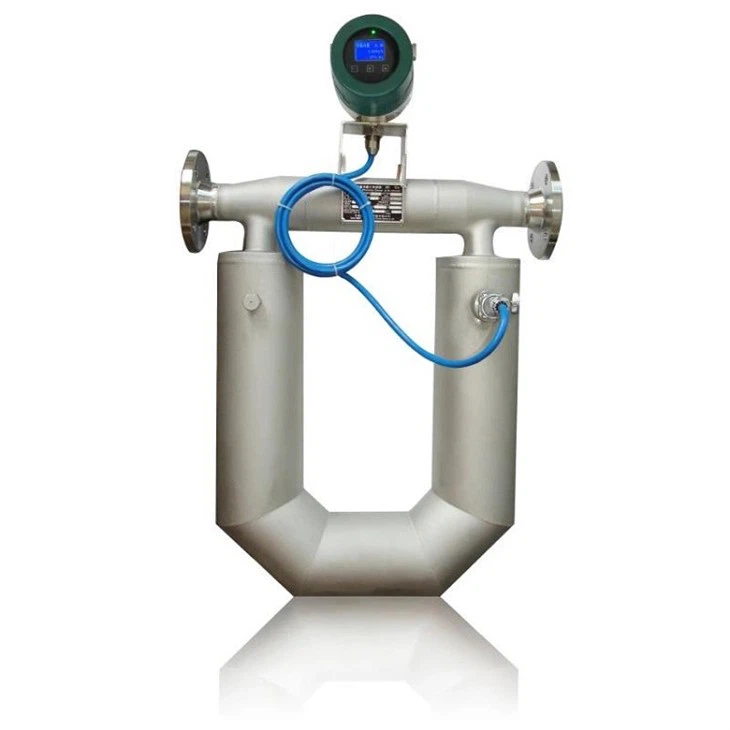
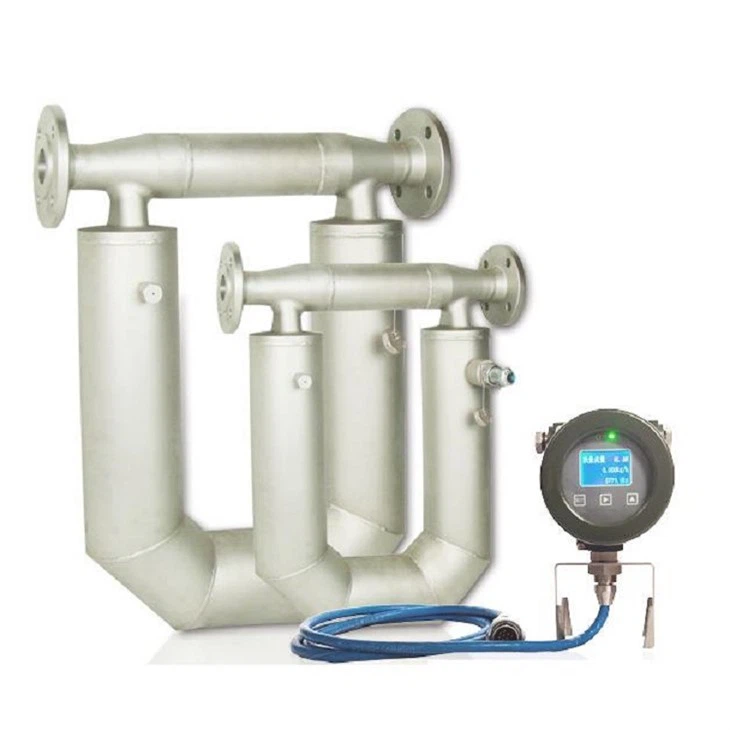
For example, a Coriolis Flowmeter in an oil refinery might have sensors that monitor its vibration, temperature, and other operating parameters. If the data shows that the meter is operating outside of its normal range, the system can send an alert to the maintenance team, who can then investigate the issue and perform the necessary repairs or replacements. By predicting and preventing breakdowns, predictive maintenance helps to ensure the reliability and accuracy of the flowmeters, reducing the overall cost of ownership.
Integration with Other Systems
IoT enables high accuracy flowmeters to be integrated with other systems, such as enterprise resource planning (ERP) systems, manufacturing execution systems (MES), and supervisory control and data acquisition (SCADA) systems. This integration allows for seamless data sharing and collaboration between different departments and systems within an organization.
For instance, in a food and beverage manufacturing plant, the Mass Flowmeter can be integrated with the MES system. The MES system can use the flow rate data from the flowmeters to optimize the production process, manage inventory, and ensure quality control. At the same time, the ERP system can use the data to generate accurate cost reports and manage supplier relationships. By integrating the flowmeters with other systems, organizations can achieve greater efficiency, productivity, and visibility across their operations.
Challenges and Considerations
While the development of IoT offers many benefits for high accuracy flowmeters, it also presents some challenges. One of the main challenges is data security. With the increased connectivity and data sharing, flowmeters are more vulnerable to cyberattacks. Hackers could potentially access the data collected by the flowmeters, disrupt the operation of the meters, or even manipulate the data for malicious purposes. To address this challenge, it is essential to implement robust security measures, such as encryption, authentication, and access control.
Another challenge is the interoperability of different IoT devices and systems. There are many different standards and protocols in the IoT space, and ensuring that the flowmeters can communicate effectively with other devices and systems can be a complex task. It is important to work with vendors who support open standards and have a proven track record of interoperability.
In addition, the implementation of IoT in high accuracy flowmeters requires a significant investment in infrastructure and training. Organizations need to have the necessary hardware, software, and network capabilities to support the IoT ecosystem. They also need to train their employees to use and manage the new technology effectively.
Conclusion
The development of IoT is having a profound impact on high accuracy flowmeters. It is enabling enhanced data collection and analysis, remote monitoring and control, improved predictive maintenance, and integration with other systems. These benefits are helping organizations to optimize their processes, reduce costs, and improve safety. However, it is important to be aware of the challenges and considerations associated with IoT implementation, such as data security, interoperability, and investment.
As a High Accuracy Flowmeter supplier, we are committed to staying at the forefront of IoT technology and providing our customers with the most advanced and reliable flowmeters on the market. If you are interested in learning more about how IoT can benefit your business or would like to discuss your flow measurement needs, please don't hesitate to contact us. We look forward to the opportunity to work with you and help you achieve your goals.
References
- Some relevant industry reports and whitepapers on the impact of IoT on industrial sensors and measurement devices.
- Technical documentation and research articles from leading flowmeter manufacturers on IoT integration in their products.


