

What is the pressure drop across a high accuracy flowmeter?
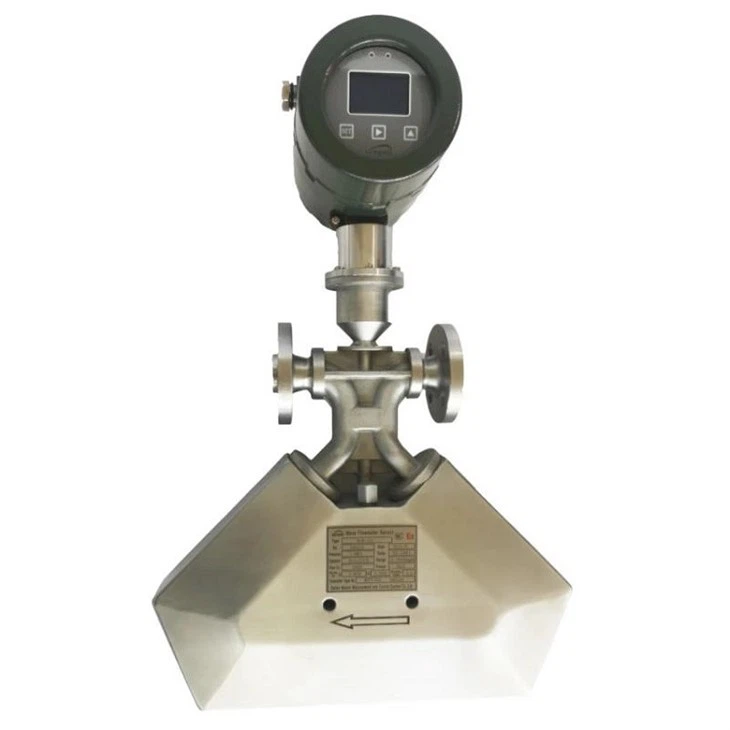
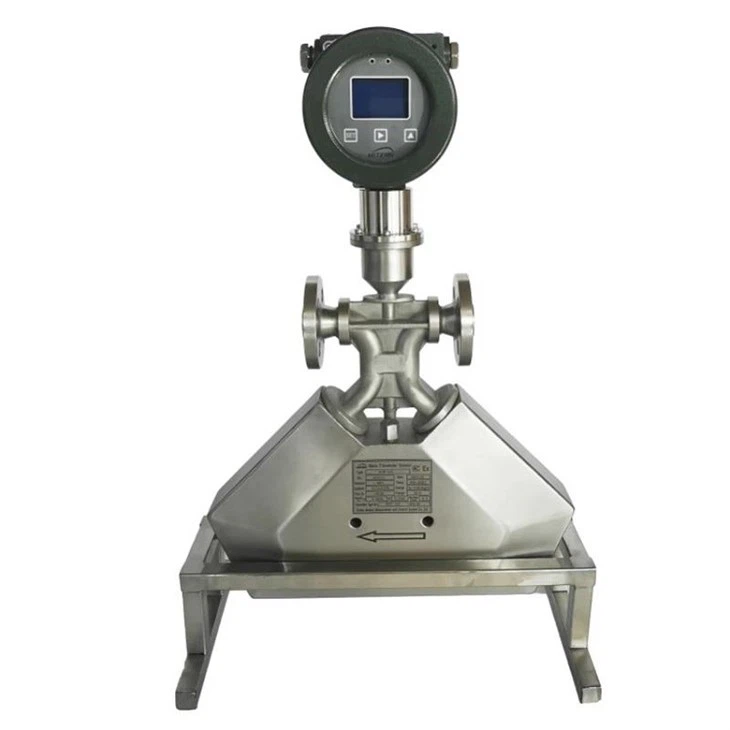
As a supplier of High Accuracy Flowmeter, I often get asked about the pressure drop across our flowmeters. Understanding pressure drop is crucial for anyone involved in fluid management systems, whether it's in industrial processes, chemical engineering, or other applications where accurate flow measurement is essential.
Understanding Pressure Drop
Pressure drop, also known as pressure loss, refers to the decrease in pressure that occurs as a fluid flows through a pipe, valve, or other components in a system. In the context of a flowmeter, pressure drop is the difference in pressure between the inlet and the outlet of the device. This phenomenon is a result of the energy required to overcome the resistance to flow within the flowmeter.
There are several factors that contribute to pressure drop in a flowmeter. One of the primary factors is the design of the flowmeter itself. Different types of flowmeters, such as Mass Flowmeter and Coriolis Flowmeter, have different internal geometries and operating principles, which can significantly affect the pressure drop. For example, a flowmeter with a complex internal structure or a narrow flow path may cause a higher pressure drop compared to a simpler design.
The viscosity of the fluid being measured also plays a crucial role. Viscous fluids, such as oils or syrups, have a higher resistance to flow, which can lead to a greater pressure drop. In contrast, less viscous fluids, like water or gases, typically result in lower pressure drops. Additionally, the flow rate of the fluid is another important factor. Higher flow rates generally require more energy to maintain the flow, resulting in a larger pressure drop.
Importance of Pressure Drop in Flowmeter Selection
The pressure drop across a flowmeter can have several practical implications for a fluid management system. Firstly, it affects the energy consumption of the system. A high pressure drop means that more energy is required to pump the fluid through the flowmeter and the rest of the system. This can lead to increased operating costs, especially in large-scale industrial applications where pumps run continuously.
Secondly, pressure drop can impact the performance of other components in the system. Excessive pressure drop can cause problems such as cavitation in pumps, which can damage the pump impellers and reduce their efficiency. It can also affect the accuracy of other flow measurement devices downstream of the flowmeter. Therefore, when selecting a flowmeter, it is essential to consider the acceptable pressure drop for the specific application.
Measuring Pressure Drop
To accurately measure the pressure drop across a flowmeter, pressure sensors are typically installed at the inlet and outlet of the device. These sensors measure the pressure at each point, and the difference between the two readings gives the pressure drop. The pressure sensors should be calibrated regularly to ensure accurate measurements.
In some cases, the manufacturer of the flowmeter may provide pressure drop curves or tables that show the expected pressure drop based on the flow rate and fluid properties. These resources can be useful for estimating the pressure drop during the design phase of a system or for troubleshooting existing systems.
Minimizing Pressure Drop in High Accuracy Flowmeters
As a supplier of high accuracy flowmeters, we understand the importance of minimizing pressure drop while maintaining accurate flow measurement. Our engineers have developed advanced design techniques to reduce the resistance to flow within our flowmeters. For example, we use smooth internal surfaces and optimized flow paths to minimize turbulence and friction, which helps to reduce pressure drop.
We also offer a range of flowmeter sizes and configurations to ensure that our customers can select the most suitable device for their specific application. By choosing the right size flowmeter, it is possible to achieve the desired flow measurement accuracy with the lowest possible pressure drop.
Case Study: Reducing Pressure Drop in an Industrial Process
Let's consider a case study of an industrial process where a high accuracy flowmeter was installed to measure the flow of a viscous fluid. Initially, the system experienced a high pressure drop, which led to increased energy consumption and reduced pump efficiency. After consulting with our technical team, the customer decided to upgrade to one of our latest high accuracy flowmeters with a more optimized design.
The new flowmeter had a significantly lower pressure drop compared to the previous device. As a result, the energy consumption of the system decreased by approximately 20%, and the pump efficiency improved. The customer was also able to maintain accurate flow measurement, which helped to improve the overall quality and consistency of the industrial process.
Conclusion
In conclusion, pressure drop is an important consideration when selecting and using a high accuracy flowmeter. Understanding the factors that contribute to pressure drop and how to measure and minimize it can help to optimize the performance of a fluid management system. As a leading supplier of High Accuracy Flowmeter, we are committed to providing our customers with high-quality flowmeters that offer accurate measurement and low pressure drop.
If you are interested in learning more about our high accuracy flowmeters or need assistance with selecting the right device for your application, please feel free to contact us. Our team of experts is ready to help you find the best solution for your fluid management needs.
References
- Miller, R. W. (1996). Flow Measurement Engineering Handbook. McGraw-Hill.
- Spitzer, D. W. (2001). Flow Measurement: Practical Guides for Measurement and Control. ISA - The Instrumentation, Systems, and Automation Society.


