

Hey there! As a supplier of Oval Gear Flowmeters, I've seen firsthand how these nifty little devices can play a crucial role in all sorts of industries. But like any piece of equipment, they need some love and care to keep them running smoothly and to protect them from damage. So, let's dive into some tips on how to safeguard your Oval Gear Flowmeter.
1. Keep Your Fluid Clean
One of the biggest threats to an Oval Gear Flowmeter is dirty fluid. Particles in the fluid can cause wear and tear on the gears, which are the heart of the flowmeter. Over time, this can lead to inaccurate readings and even complete failure.
To prevent this, it's essential to install a filter upstream of the flowmeter. A good quality filter can trap particles and debris, ensuring that only clean fluid reaches the flowmeter. Make sure to choose a filter with the right micron rating for your application. If you're dealing with a fluid that has a lot of large particles, you might need a coarser filter. But for fluids with smaller particles, a finer filter will be necessary.
Regularly check and replace the filter as needed. A clogged filter can restrict the flow of fluid, which can also cause problems for the flowmeter. By keeping the fluid clean, you'll significantly extend the lifespan of your Oval Gear Flowmeter.
2. Mind the Temperature
Oval Gear Flowmeters are designed to work within a specific temperature range. Extreme temperatures can cause the materials in the flowmeter to expand or contract, which can affect the accuracy of the readings and even damage the internal components.
Before installing the flowmeter, make sure you know the temperature range of the fluid it will be measuring. If the fluid temperature is likely to be outside the recommended range, you might need to take some additional steps. For example, you could use insulation to keep the flowmeter at a more stable temperature.
In some cases, you might even need to choose a flowmeter that is specifically designed for high or low-temperature applications. There are models available that can handle a wider range of temperatures, so do your research and pick the one that's right for you.
3. Avoid Pressure Surges
Pressure surges can be a real problem for Oval Gear Flowmeters. A sudden increase in pressure can put a lot of stress on the gears and other components, potentially causing them to break or malfunction.
To protect your flowmeter from pressure surges, you can install a pressure relief valve. This valve will open when the pressure exceeds a certain level, allowing the excess pressure to escape and preventing damage to the flowmeter.
Another way to avoid pressure surges is to control the flow rate of the fluid. Sudden changes in flow rate can also cause pressure spikes, so try to keep the flow as steady as possible. You can use flow control valves or pumps to regulate the flow and prevent any sudden changes.
4. Proper Installation is Key
Installing an Oval Gear Flowmeter correctly is crucial for its proper functioning and protection from damage. Make sure to follow the manufacturer's instructions carefully.
First, choose the right location for the flowmeter. It should be installed in a straight section of pipe, away from any elbows, valves, or other fittings that could disrupt the flow of the fluid. A straight run of pipe upstream and downstream of the flowmeter will ensure a smooth and uniform flow, which is essential for accurate readings.
Also, make sure the flowmeter is properly aligned with the pipe. Misalignment can cause stress on the joints and seals, leading to leaks or damage. Use appropriate gaskets and sealing materials to ensure a tight and leak-free connection.
5. Regular Maintenance and Inspection
Regular maintenance and inspection are essential for keeping your Oval Gear Flowmeter in good condition. Set up a maintenance schedule and stick to it.
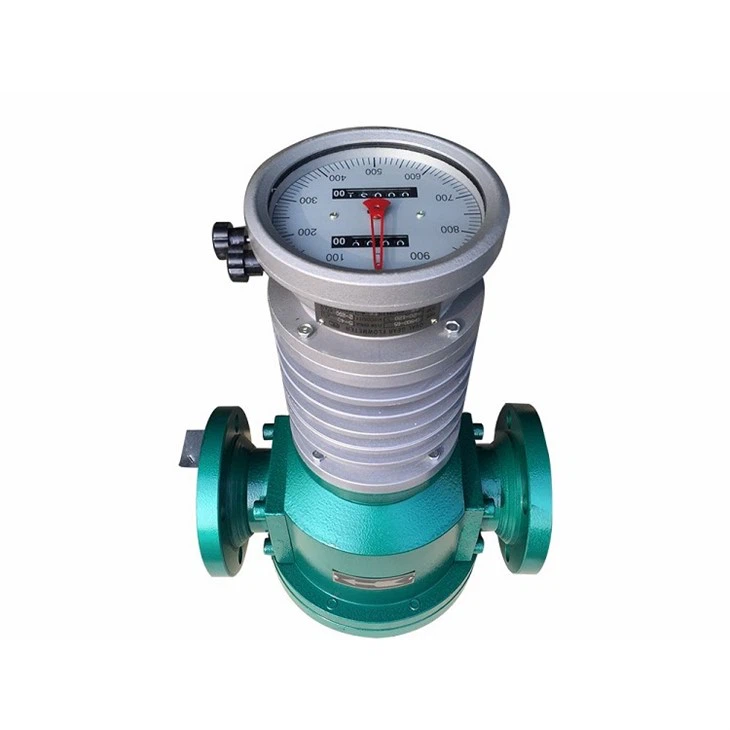

During the inspection, check for any signs of wear, damage, or leaks. Look at the gears, the housing, the seals, and the connections. If you notice any problems, address them immediately.
You should also calibrate the flowmeter regularly. Over time, the accuracy of the flowmeter can drift, so calibration will ensure that it continues to provide accurate readings. You can either do the calibration yourself if you have the right equipment and expertise, or you can send the flowmeter to a professional calibration service.
6. Choose the Right Flowmeter for Your Application
Not all Oval Gear Flowmeters are created equal. There are different types and models available, each designed for specific applications.
If you're dealing with diesel, for example, you might want to check out our Oval Gear Flow Meter For Diesel or Oval Gear Flowmeter for Diesel Oil. These flowmeters are specifically designed to handle the unique properties of diesel, such as its viscosity and lubricity.
By choosing the right flowmeter for your application, you'll ensure that it performs optimally and is less likely to suffer from damage.
Conclusion
Protecting your Oval Gear Flowmeter from damage is all about taking a proactive approach. By keeping the fluid clean, minding the temperature, avoiding pressure surges, installing it correctly, performing regular maintenance and inspection, and choosing the right flowmeter for your application, you can ensure that your flowmeter lasts for a long time and provides accurate readings.
If you're in the market for an Oval Gear Flowmeter or have any questions about protecting and maintaining them, don't hesitate to reach out. We're here to help you make the right choice and keep your flowmeter in top shape.
References
- Manufacturer's manuals for Oval Gear Flowmeters
- Industry standards and guidelines for flowmeter installation and maintenance


