

Hey there! I'm a supplier of DP transmitters, and today I'm gonna chat about the grounding requirements for a DP transmitter. It's super important to get this right because proper grounding can make a big difference in the performance and safety of these devices.
First off, let's understand what a DP transmitter is. A differential pressure (DP) transmitter measures the difference in pressure between two points. It's used in a whole bunch of industries, like oil and gas, chemical, and water treatment. It helps in things like flow measurement, level detection, and density measurement.
Now, why do we need to ground a DP transmitter? Well, grounding serves a few key purposes. One of the main reasons is to protect the device from electrical interference. In industrial settings, there's all kinds of electrical noise from motors, generators, and other equipment. This noise can mess with the accuracy of the DP transmitter's readings. By grounding the transmitter, we create a path for this unwanted electrical energy to flow safely to the ground, keeping the device's signals clean and accurate.
Another important reason for grounding is safety. Electrical faults can occur, and if the DP transmitter isn't properly grounded, it could become a hazard. Grounding helps to prevent electric shock for people working around the equipment and also reduces the risk of damage to the transmitter itself from electrical surges.
So, what are the specific grounding requirements?
Proper Connection to Ground
The DP transmitter needs to be connected to a reliable ground. This usually means connecting it to an electrical grounding system, like a grounding rod or a building's grounding grid. The connection should be made using appropriate grounding wires with a low resistance. A good rule of thumb is to use wires that are thick enough to handle the potential electrical current that could flow during a fault. For most industrial applications, a wire gauge of at least #12 AWG (American Wire Gauge) is recommended.
Isolation
Sometimes, the DP transmitter may need to be isolated from other electrical components. This is especially true if there are different electrical potentials in the system. Isolation helps to prevent ground loops, which can cause inaccurate readings and even damage to the transmitter. Special isolation transformers or opto - isolators can be used to achieve this isolation.
Shielding
Many DP transmitters come with shielding around their cables. The shield is a conductive layer that surrounds the signal wires. This shield should be properly grounded at one end, usually at the transmitter end. Grounding the shield helps to protect the signal wires from external electromagnetic interference. It's important to note that grounding the shield at both ends can create a ground loop, so it should be grounded at only one end.
Multiple Transmitters in a System
In a system where there are multiple DP transmitters, they should all be grounded to the same grounding point or system. This ensures that they all have the same electrical potential and helps to prevent any potential differences between the transmitters that could cause interference.
Installation Considerations
When installing a DP transmitter, make sure that the grounding connections are tight and secure. Loose connections can increase the resistance in the grounding path, which defeats the purpose of grounding. Also, avoid running grounding wires near high - voltage cables or other sources of electrical interference.
Let's talk about some of the products we offer as a DP transmitter supplier. We have the Smart Differential Pressure Transmitter 4 - 20mA. This transmitter is super smart and uses a 4 - 20mA signal, which is a standard in the industry. It's accurate and reliable, and of course, it's designed to meet all the proper grounding requirements.
Another great product is the 3051 Transmitter. The 3051 series is well - known in the industry for its high performance. It's built to handle tough industrial environments and has excellent grounding features to ensure accurate and stable operation.
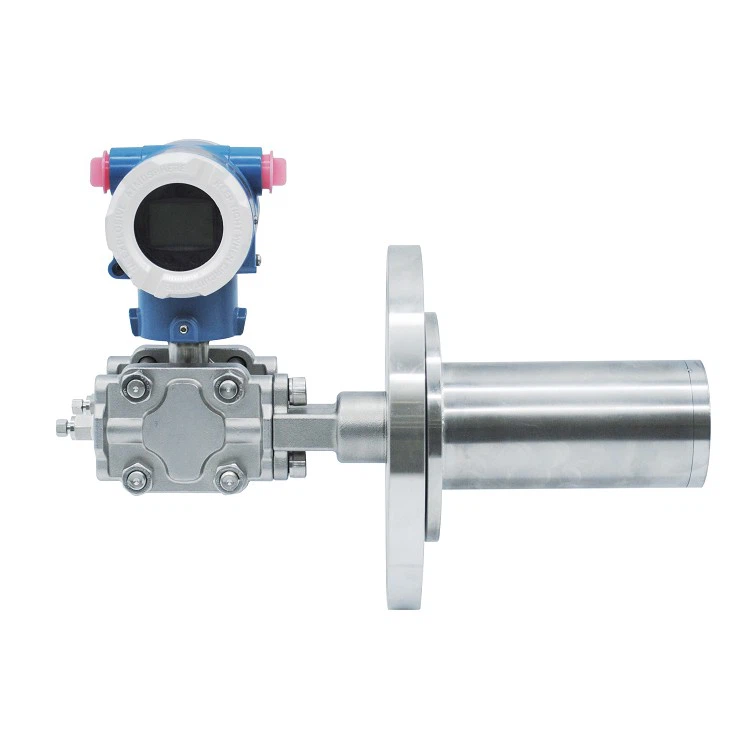
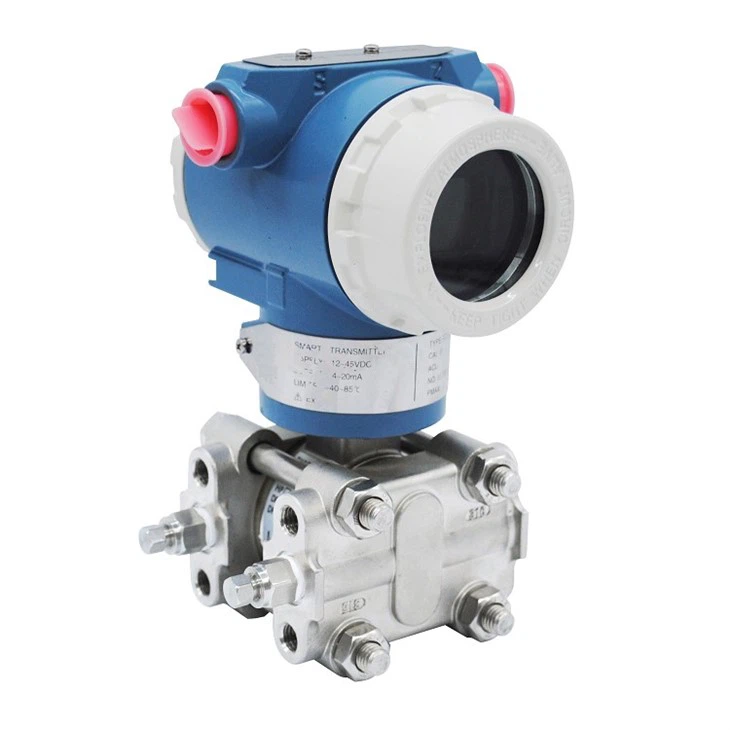
The 3051 Differential Pressure Transmitter is also a top - notch product. It offers precise differential pressure measurement and is designed with proper grounding in mind to minimize interference and ensure long - term reliability.
If you're looking for a Pressure Transmitter Made in China, we've got you covered. Our Chinese - made pressure transmitters are of high quality, meet international standards, and have proper grounding solutions to ensure they work well in any application.
And then there's the Smart Differential Pressure Transmitter. This transmitter combines advanced technology with smart features, and it's engineered to have proper grounding to provide accurate and consistent performance.
In conclusion, proper grounding is crucial for the performance and safety of DP transmitters. Whether you're using a single transmitter in a small system or multiple transmitters in a large industrial setup, following the right grounding requirements is essential. If you're in the market for DP transmitters, we're here to help. We offer a wide range of high - quality products that are designed with proper grounding in mind. If you have any questions or are interested in purchasing our products, feel free to reach out and start a procurement discussion. We're always happy to assist you in finding the right DP transmitter for your needs.
References
- Instrumentation Handbook: Process Measurement and Analysis
- Electrical Installation Standards for Industrial Equipment


