

Cleaning a slight gas flowmeter is a crucial maintenance task that ensures its accurate and reliable operation. As a supplier of Slight Gas Flowmeters, I understand the importance of proper cleaning procedures to extend the lifespan of these devices and maintain their performance. In this blog post, I will share some comprehensive guidelines on how to clean a slight gas flowmeter effectively.
Understanding the Slight Gas Flowmeter
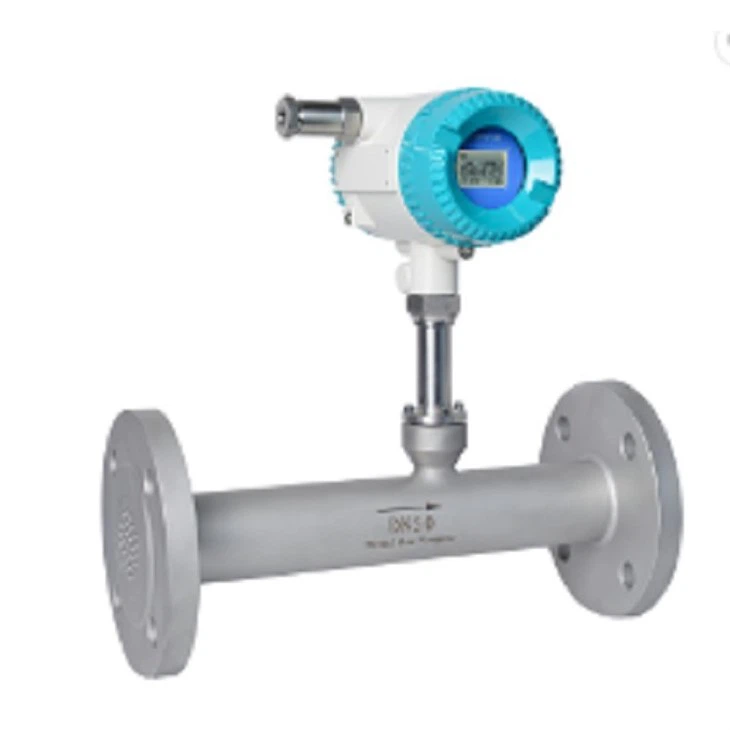
Before diving into the cleaning process, it's essential to have a basic understanding of what a slight gas flowmeter is and how it works. A Slight Gas Flowmeter is a specialized device used to measure the flow rate of gases in various industrial applications. It operates based on different principles, such as thermal dispersion, which measures the heat transfer from a heated sensor to the flowing gas. This type of flowmeter is highly sensitive and can provide accurate measurements even at low flow rates.

Preparation Before Cleaning
- Safety First: Always prioritize safety when working with any industrial equipment. Wear appropriate personal protective equipment (PPE), including gloves, safety glasses, and a lab coat. Ensure that the gas supply to the flowmeter is shut off and the system is depressurized before starting the cleaning process.
- Gather Cleaning Supplies: You will need a few essential cleaning supplies, such as a soft brush, lint-free cloth, mild detergent, and distilled water. Avoid using abrasive materials or harsh chemicals that could damage the flowmeter's components.
- Refer to the Manufacturer's Manual: Every flowmeter is unique, and the manufacturer's manual provides specific instructions on cleaning and maintenance. Read the manual carefully before proceeding to ensure that you follow the recommended procedures.
Step-by-Step Cleaning Process
External Cleaning
- Remove Dust and Debris: Use a soft brush to gently remove any dust, dirt, or debris from the exterior of the flowmeter. Pay special attention to the inlet and outlet ports, as well as any exposed sensors or connectors.
- Wipe with a Damp Cloth: Moisten a lint-free cloth with distilled water and gently wipe the exterior surfaces of the flowmeter. Avoid getting water inside the device, as this could cause damage.
- Clean the Display (if applicable): If your flowmeter has a digital display, use a soft, dry cloth to clean the screen. Avoid using any liquids or abrasive materials that could scratch the display.
Internal Cleaning
- Disconnect the Flowmeter: Carefully disconnect the flowmeter from the gas line and any electrical connections. Follow the manufacturer's instructions to ensure that you do not damage the device during the disconnection process.
- Inspect the Internal Components: Once the flowmeter is disconnected, visually inspect the internal components for any signs of damage, corrosion, or blockage. Look for any loose or damaged parts that may need to be replaced.
- Clean the Sensors: The sensors are the most critical components of the flowmeter, and they require special care during cleaning. Use a soft brush or a cotton swab dipped in a mild detergent solution to gently clean the sensors. Be careful not to apply too much pressure, as this could damage the sensors.
- Rinse with Distilled Water: After cleaning the sensors, rinse them thoroughly with distilled water to remove any remaining detergent. Make sure that the sensors are completely dry before reassembling the flowmeter.
- Clean the Flow Path: Use a soft brush or a pipe cleaner to clean the flow path inside the flowmeter. Remove any debris or blockages that may be present. You can also use a mild detergent solution to clean the flow path, but make sure to rinse it thoroughly with distilled water afterward.
Reassembly and Testing
- Reassemble the Flowmeter: Once all the components are clean and dry, carefully reassemble the flowmeter. Make sure that all the connections are secure and that the device is properly aligned.
- Reconnect the Gas Line and Electrical Connections: Reconnect the flowmeter to the gas line and any electrical connections. Follow the manufacturer's instructions to ensure that the connections are made correctly.
- Test the Flowmeter: After reassembling the flowmeter, turn on the gas supply and test the device to ensure that it is functioning properly. Check the display for accurate readings and monitor the flow rate to make sure that it is within the expected range.
Maintenance Tips for Long-Term Performance
- Regular Cleaning: To maintain the accuracy and reliability of your slight gas flowmeter, it is recommended to clean it regularly. The frequency of cleaning will depend on the operating conditions and the type of gas being measured. In general, it is a good idea to clean the flowmeter at least once every six months.
- Calibration: In addition to regular cleaning, it is also important to calibrate your flowmeter periodically. Calibration ensures that the flowmeter is providing accurate measurements and that it is operating within the specified range. Follow the manufacturer's instructions for calibration or have a professional technician perform the calibration for you.
- Storage: If you need to store your flowmeter for an extended period of time, make sure to store it in a clean, dry place. Protect the device from dust, moisture, and extreme temperatures. You may also want to cover the flowmeter with a protective case or bag to prevent damage.
Conclusion
Cleaning a slight gas flowmeter is a relatively simple process that can significantly improve the performance and lifespan of the device. By following the guidelines outlined in this blog post, you can ensure that your flowmeter is clean, accurate, and reliable. If you have any questions or need further assistance with cleaning or maintaining your flowmeter, please do not hesitate to contact us. We are a leading supplier of Thermal Mass Gas Flowmeter For Biogas and Thermal Gas Mass Flowmeter with Digit Display, and we are committed to providing our customers with the highest quality products and services. If you are interested in purchasing a slight gas flowmeter or need any other flow measurement solutions, please feel free to contact us for more information and to discuss your specific requirements.
References
- Manufacturer's manual for the slight gas flowmeter
- Industry standards and best practices for flowmeter cleaning and maintenance


