

How accurate is a liquid density meter? Well, that's a question I get asked a lot as a supplier of Liquid Density Meter. You see, the accuracy of a liquid density meter can vary quite a bit depending on several factors.
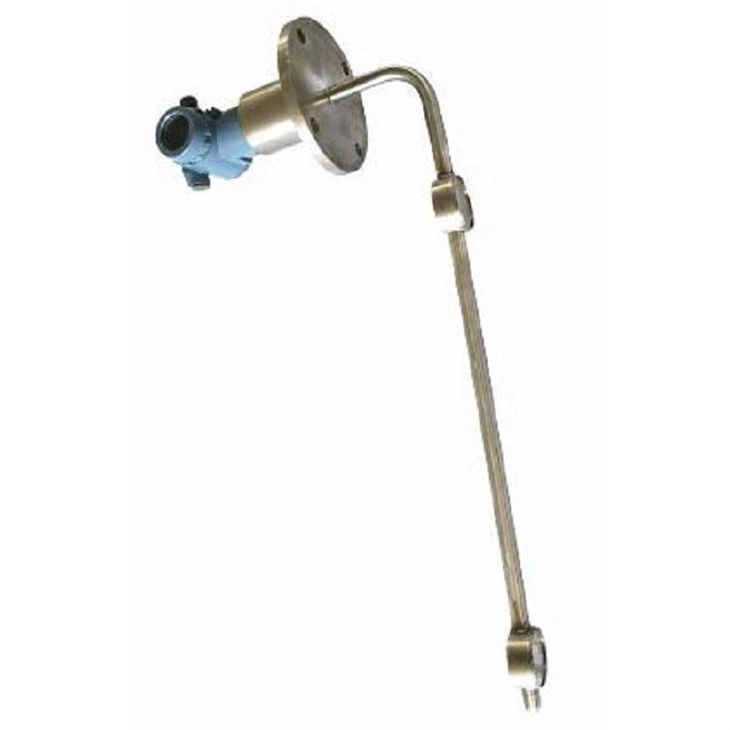
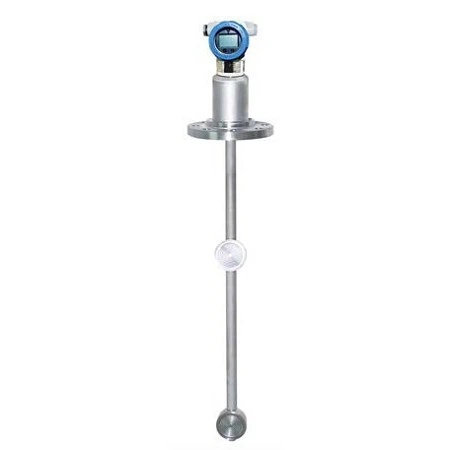
First off, let's talk about the technology behind these meters. There are different types out there, like the DP Type Liquid Density Transmitter. This type works by measuring the differential pressure across a known length of pipe filled with the liquid. The pressure difference is directly related to the density of the liquid. But how accurate is it really?
The accuracy of a DP type liquid density transmitter can be affected by a few things. One major factor is the calibration of the device. If it's not calibrated correctly, the readings can be way off. Calibration involves setting the meter to read accurately for a specific liquid or range of liquids. This usually requires using a reference liquid with a known density and adjusting the meter until it gives the correct reading. If this process isn't done properly, or if the reference liquid has an incorrect density value, the accuracy of the meter will suffer.
Another thing that can impact accuracy is the condition of the liquid being measured. For example, if the liquid contains bubbles or suspended solids, it can throw off the readings. Bubbles can reduce the effective density of the liquid, while suspended solids can increase it. In some cases, the presence of these impurities can cause the meter to give inconsistent or inaccurate results. That's why it's important to make sure the liquid is as clean and homogeneous as possible before taking a measurement.
The temperature of the liquid also plays a role in accuracy. Most liquids change density as their temperature changes. So, if the temperature of the liquid isn't taken into account, the density readings may not be accurate. Many modern liquid density meters have built - in temperature sensors to compensate for these changes. However, if the temperature sensor isn't working properly or if the compensation algorithm is incorrect, the accuracy of the density measurement can still be affected.
Now, let's look at the Top Mounted Online Density Meter. This type of meter is designed to be installed directly on a tank or pipeline. It offers the advantage of continuous, real - time density monitoring. But just like the DP type transmitter, its accuracy can be influenced by similar factors.
One of the benefits of a top - mounted online density meter is that it can be less affected by the flow conditions of the liquid compared to some other types of meters. However, it still needs to be properly installed and maintained. If the meter isn't installed at the correct location or if it's not level, it can lead to inaccurate readings. Also, over time, the sensor of the meter can become dirty or damaged, which can degrade its accuracy.
In general, high - quality liquid density meters can achieve an accuracy of around ±0.001 g/cm³ or even better in ideal conditions. But in real - world applications, the accuracy may be more like ±0.002 to ±0.005 g/cm³. This is because of all the factors we've discussed, such as calibration issues, liquid impurities, and temperature variations.
So, how can you ensure that you're getting an accurate reading from a liquid density meter? First, choose a reliable supplier. A good supplier will provide a meter that has been properly calibrated and tested. They should also offer support for calibration and maintenance.
When installing the meter, follow the manufacturer's instructions carefully. Make sure the installation location is appropriate and that the meter is level and properly connected. Regular maintenance is also crucial. This includes cleaning the sensor, checking the calibration, and replacing any worn - out parts.
If you're in an industry where accurate density measurements are critical, such as the food and beverage industry, pharmaceuticals, or chemical manufacturing, it's even more important to pay attention to these details. In these industries, small errors in density measurement can have a big impact on product quality and production efficiency.
At our company, we take pride in supplying high - quality Liquid Density Meter. Our meters are designed to provide accurate and reliable density measurements in a variety of applications. We offer a range of models, including the Top Mounted Online Density Meter and the DP Type Liquid Density Transmitter.
If you're interested in learning more about our liquid density meters or if you have any questions about their accuracy, feel free to get in touch. We're always happy to help you find the right solution for your specific needs. Whether you're looking for a meter for a small - scale laboratory application or a large - scale industrial process, we can provide you with the information and support you need.
In conclusion, while the accuracy of a liquid density meter can be affected by many factors, with the right choice of meter, proper installation, and regular maintenance, you can get reliable and accurate density measurements. Don't hesitate to reach out to us if you're considering purchasing a liquid density meter. We're here to assist you in making the best decision for your business.
References
- "Density Measurement Handbook" by [Author's name, not specified as per instruction]
- Technical documents from various liquid density meter manufacturers


