As a supplier of Oval Gear Flowmeters, I understand the importance of proper installation to ensure the longevity and accurate performance of these devices. Incorrect installation can lead to various issues, including damage to the flowmeter, inaccurate measurements, and costly downtime. In this blog post, I will share some essential tips on how to avoid damage to an Oval Gear Flowmeter during installation.
Understanding the Oval Gear Flowmeter
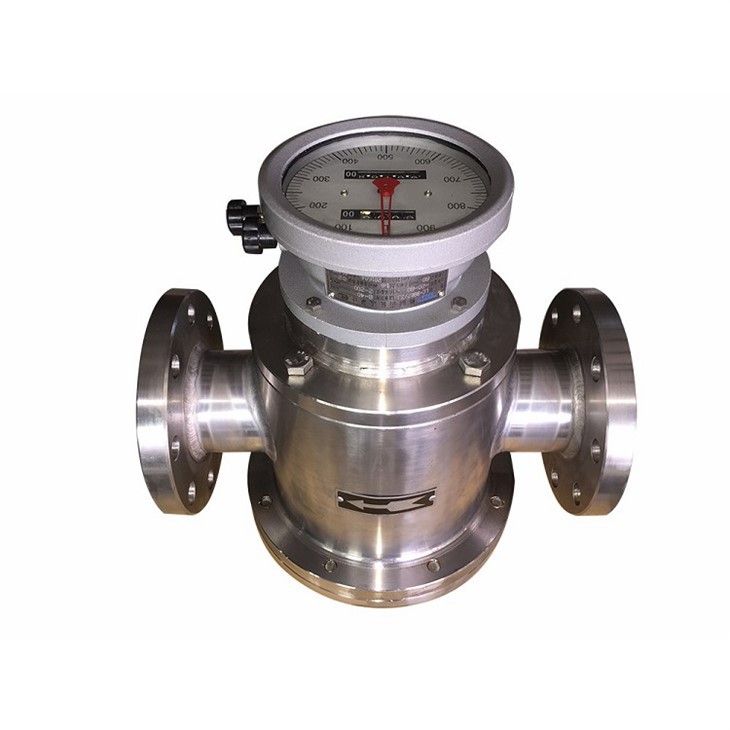
Before diving into the installation process, it's crucial to have a basic understanding of how an Oval Gear Flowmeter works. These flowmeters operate on the principle of positive displacement, where two oval gears rotate within a chamber. As the fluid flows through the chamber, it causes the gears to rotate, and the number of rotations is directly proportional to the volume of fluid that has passed through the meter. This design makes Oval Gear Flowmeters highly accurate and reliable for measuring the flow of viscous liquids, such as diesel oil.
Pre-Installation Preparation
1. Select the Right Location
Choosing the appropriate location for installing the Oval Gear Flowmeter is the first step in preventing damage. The location should be free from excessive vibrations, extreme temperatures, and corrosive environments. Vibration can cause the gears to wear out prematurely, while extreme temperatures can affect the viscosity of the fluid and the performance of the flowmeter. Corrosive substances can damage the internal components of the meter, leading to inaccurate measurements and reduced lifespan.
2. Check the Pipework
Inspect the pipework where the flowmeter will be installed. The pipes should be clean, free from debris, and have the correct diameter and wall thickness. Any debris or contaminants in the pipes can enter the flowmeter and cause damage to the gears or other internal components. Additionally, ensure that the pipes are properly aligned and supported to prevent stress on the flowmeter during operation.
3. Read the Manufacturer's Instructions
Always refer to the manufacturer's installation instructions before starting the installation process. These instructions provide detailed information on the specific requirements and procedures for installing the flowmeter. Following the instructions carefully will help you avoid common mistakes and ensure that the flowmeter is installed correctly.
Installation Process
1. Use the Right Tools
Using the correct tools is essential for a proper installation. Make sure you have all the necessary tools, such as wrenches, seals, and gaskets, before starting the installation. Using the wrong tools can damage the flowmeter or cause leaks.
2. Install the Flowmeter in the Correct Orientation
Oval Gear Flowmeters are designed to be installed in a specific orientation. Most flowmeters should be installed horizontally with the gears in a vertical position. Installing the flowmeter in the wrong orientation can cause inaccurate measurements and damage to the gears. Refer to the manufacturer's instructions for the correct orientation of your specific flowmeter.
3. Connect the Pipes Properly
When connecting the pipes to the flowmeter, use the appropriate seals and gaskets to prevent leaks. Tighten the connections carefully, but avoid over-tightening, as this can damage the flowmeter or the pipes. Make sure the connections are secure and leak-free before proceeding.
4. Install a Strainer
To protect the flowmeter from debris and contaminants, it's recommended to install a strainer upstream of the flowmeter. The strainer will filter out any large particles that could damage the gears or other internal components of the flowmeter.
5. Perform a Pressure Test
After installing the flowmeter, perform a pressure test to check for leaks and ensure that the flowmeter is functioning properly. Slowly increase the pressure in the system and check for any signs of leaks at the connections or other parts of the flowmeter. If you detect any leaks, tighten the connections or replace the seals as necessary.
Post-Installation Checks
1. Calibrate the Flowmeter
Once the flowmeter is installed and the system is operational, it's important to calibrate the flowmeter to ensure accurate measurements. Calibration involves comparing the readings of the flowmeter with a known standard to adjust the meter's settings. Follow the manufacturer's instructions for calibrating the flowmeter.
2. Monitor the Flowmeter
Regularly monitor the performance of the flowmeter to detect any signs of damage or malfunction. Check the readings of the flowmeter and compare them with the expected values. If you notice any significant deviations or irregularities, investigate the cause immediately.
3. Maintain the Flowmeter
Proper maintenance is essential for the long-term performance of the flowmeter. Follow the manufacturer's recommended maintenance schedule, which may include cleaning the flowmeter, replacing the seals and gaskets, and lubricating the moving parts. Regular maintenance will help prevent damage to the flowmeter and ensure accurate measurements.
Conclusion
Installing an Oval Gear Flowmeter correctly is crucial for its performance and longevity. By following the tips outlined in this blog post, you can avoid damage to the flowmeter during installation and ensure accurate measurements. Remember to choose the right location, check the pipework, read the manufacturer's instructions, use the right tools, install the flowmeter in the correct orientation, connect the pipes properly, perform a pressure test, calibrate the flowmeter, monitor its performance, and maintain it regularly.
If you are interested in purchasing an Oval Gear Flowmeter for your application, we offer a wide range of high-quality Oval Gear Flowmeter for Diesel Oil and Oval Gear Flow Meter For Diesel. Our team of experts can provide you with the technical support and guidance you need to select the right flowmeter for your needs. Contact us today to start the procurement negotiation process and find the perfect solution for your flow measurement requirements.

References
- Manufacturer's Installation and Operation Manuals for Oval Gear Flowmeters
- Industry Standards and Best Practices for Flowmeter Installation