

When considering a DP (Differential Pressure) transmitter for your industrial applications, understanding its compatibility with different fluids is crucial. As a reliable DP transmitter supplier, we've encountered a myriad of scenarios where fluid properties significantly impact the performance and longevity of these devices. In this blog post, we'll delve into the key compatibility issues that you need to be aware of when using a DP transmitter with various fluids.
Chemical Compatibility
The first and perhaps most critical aspect of compatibility is the chemical nature of the fluid. Different fluids can have varying levels of corrosiveness, which can damage the wetted parts of the DP transmitter. Wetted parts refer to those components of the transmitter that come into direct contact with the fluid, such as the diaphragm, seals, and process connections.
For example, highly acidic or alkaline fluids can corrode standard stainless - steel diaphragms over time. This corrosion can lead to leaks, inaccurate measurements, and ultimately, failure of the transmitter. In such cases, it is essential to choose a DP transmitter with chemically resistant wetted parts. Specialized materials like Hastelloy, tantalum, or PTFE - lined diaphragms can provide better protection against corrosive fluids.
Some fluids may also contain abrasive particles. These particles can cause wear and tear on the diaphragm and other internal components of the DP transmitter. For applications involving abrasive fluids, transmitters with hardened diaphragms or protective coatings can be used. These features can help extend the lifespan of the transmitter and maintain accurate measurements.
Viscosity and Density
The viscosity and density of a fluid can also have a significant impact on the performance of a DP transmitter. Viscosity refers to the fluid's resistance to flow. High - viscosity fluids, such as heavy oils or slurries, can cause problems in the pressure - sensing passages of the DP transmitter. These fluids may not flow freely through the small channels, leading to pressure build - up and inaccurate differential pressure readings.
In addition, the density of the fluid affects the pressure exerted on the transmitter's diaphragm. Different fluids have different densities, and the DP transmitter needs to be calibrated accordingly. For example, if a DP transmitter is calibrated for water and then used with a fluid of a different density, the pressure readings will be inaccurate. It is crucial to select a DP transmitter that can be easily calibrated for the specific density of the fluid being measured.
Temperature and Pressure
Fluids can operate at a wide range of temperatures and pressures, and these factors must be considered when choosing a DP transmitter. High - temperature fluids can cause thermal expansion of the transmitter's components, which can lead to changes in the diaphragm's shape and affect the accuracy of the pressure measurement. Some DP transmitters are designed with temperature compensation features to minimize these effects.
Similarly, high - pressure fluids can put excessive stress on the diaphragm and other internal components of the DP transmitter. The transmitter must be rated for the maximum pressure of the fluid it will be exposed to. Using a transmitter with an insufficient pressure rating can lead to diaphragm rupture and potential safety hazards.
Fluid Phase
The phase of the fluid, whether it is liquid, gas, or a two - phase mixture, also matters. For liquid applications, the DP transmitter needs to be able to handle the static head pressure, which is the pressure exerted by the height of the liquid column. In some cases, special techniques like capillaries filled with a compatible liquid can be used to isolate the transmitter from the process liquid and maintain accurate measurements.
When dealing with gas - phase fluids, the DP transmitter must be designed to accurately measure low differential pressures. Gas - filled systems may also be sensitive to changes in temperature and humidity, which can affect the accuracy of the pressure measurement. Additionally, two - phase mixtures, such as steam - water mixtures, present unique challenges. The presence of both liquid and gas phases can cause fluctuations in pressure and make it more difficult to obtain accurate and stable measurements.
Our Solutions for Different Fluid Compatibilities
As a trusted DP transmitter supplier, we offer a wide range of products to address the various compatibility issues associated with different fluids. Our Smart Differential Pressure Transmitter is equipped with advanced features such as temperature compensation and self - calibration capabilities. It can work with a wide variety of fluids, including those with moderate levels of corrosiveness and different viscosities.

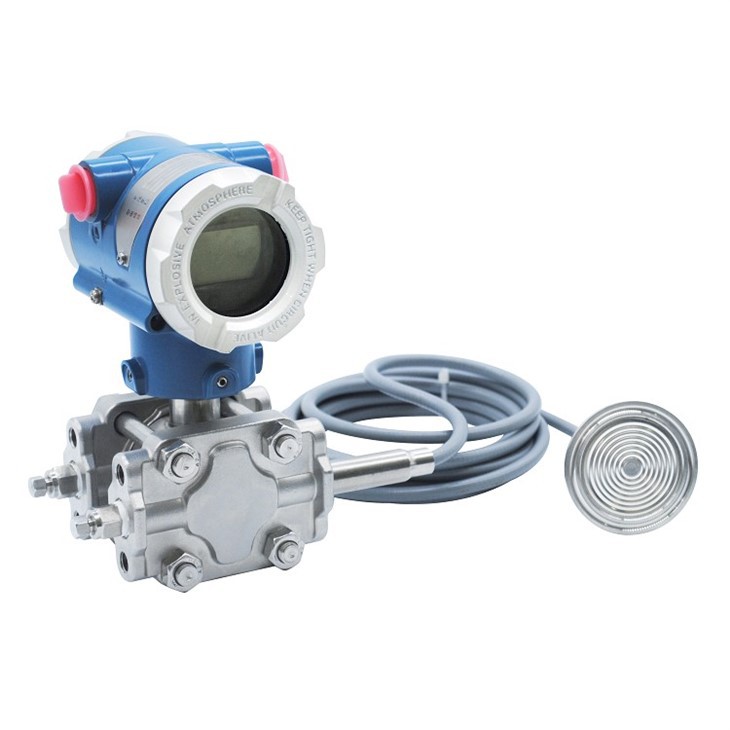
For applications where cost - effectiveness is a concern without sacrificing quality, our Pressure Transmitter Made in China provides a reliable solution. These transmitters are designed to meet international standards and can be customized for different fluid properties.
If you are looking for a DP transmitter for level measurement applications, our DP Pressure Level Transmitter is an excellent choice. It can accurately measure the level of various liquids, including those with high densities or viscosities, by using differential pressure principles.
Conclusion
Selecting the right DP transmitter for your application requires a thorough understanding of the compatibility issues with different fluids. By considering factors such as chemical composition, viscosity, density, temperature, pressure, and fluid phase, you can ensure the accurate and reliable operation of your DP transmitter.
As a professional DP transmitter supplier, we are committed to providing you with the best products and technical support. If you have any questions about DP transmitters and their compatibility with different fluids, or if you are interested in purchasing our products, feel free to contact us for a detailed discussion. We look forward to helping you find the perfect DP transmitter solution for your specific needs.
References
- "Industrial Pressure Measurement Handbook", edited by a group of industry experts, covering the basic principles and applications of pressure measurement.
- "Guide to Fluid Compatibility in Instrumentation", published by a leading instrumentation research institute, which provides in - depth analysis of the compatibility issues between fluids and instruments.


