

Hey there! As a supplier of Slight Gas Flowmeters, I've been getting a lot of questions lately about measuring errors caused by electromagnetic interference. So, I thought I'd take a moment to break it down for you.
What is Electromagnetic Interference?
First off, let's talk about what electromagnetic interference (EMI) is. EMI is basically the disruption that occurs when an electromagnetic field affects an electrical circuit. This can be caused by a whole bunch of things, like radio waves, power lines, or even other electronic devices. You see, in our modern world, we're surrounded by all sorts of electromagnetic fields, and these can sometimes mess with the normal operation of our flowmeters.
How Does EMI Affect Slight Gas Flowmeters?
Now, let's get into how EMI can cause measuring errors in slight gas flowmeters. Slight gas flowmeters are designed to measure the flow rate of gas very precisely. They use a variety of technologies, but many of them rely on electrical signals to do their job. When EMI comes into the picture, it can interfere with these electrical signals, leading to inaccurate readings.
For example, some slight gas flowmeters use thermal sensors to measure the flow rate. These sensors work by heating up a small part of the gas and then measuring how quickly the heat is carried away. The faster the gas is flowing, the more quickly the heat is transferred. But if there's EMI present, it can cause fluctuations in the electrical signals that the sensor is sending and receiving. This can make the sensor think that the gas is flowing at a different rate than it actually is.

Another problem that EMI can cause is noise in the measurement signal. Noise is basically random fluctuations in the signal that can make it difficult to distinguish the actual measurement from the background noise. When there's a lot of noise in the signal, it can be hard for the flowmeter to accurately determine the flow rate. This can result in readings that are either too high or too low.
Types of Slight Gas Flowmeters and EMI Sensitivity
There are different types of slight gas flowmeters, and each type can have a different level of sensitivity to EMI.
- Thermal Gas Mass Flowmeter with Digit Display: This type of flowmeter, like the one you can check out here, is quite popular. It offers a digital readout, which is really convenient. However, because it relies on electrical components to process and display the data, it can be more sensitive to EMI. The digital circuits can pick up electromagnetic signals, which can then distort the measurement data.
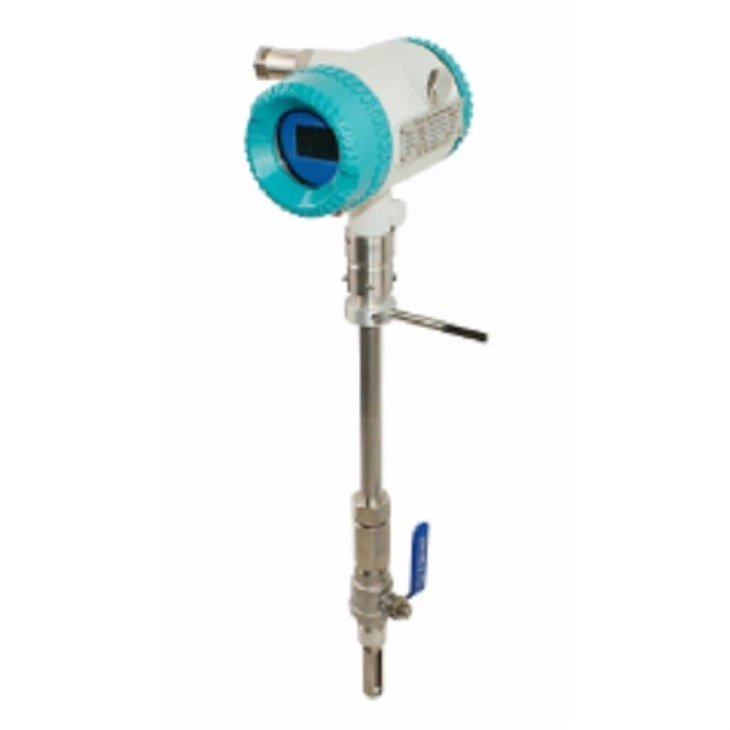
- Pipeline Type Thermal Mass Gas Flowmeter: The Pipeline Type Thermal Mass Gas Flowmeter is designed to be installed directly in a pipeline. It's often used in industrial applications. While it's built to be robust, EMI can still be an issue. The electrical connections and sensors inside the flowmeter can be affected by electromagnetic fields, especially if the pipeline is located near sources of EMI like large motors or power transformers.
- Thermal Mass Gas Flowmeter For Biogas: Biogas applications require accurate flow measurement, and that's where the Thermal Mass Gas Flowmeter For Biogas comes in. But just like the other types, it can also be influenced by EMI. Biogas plants usually have a lot of electrical equipment running, and this can generate electromagnetic fields that may interfere with the flowmeter's operation.
How to Minimize Measuring Errors Caused by EMI
So, what can we do to minimize these measuring errors? Well, there are a few things.
- Shielding: One of the most common ways to protect flowmeters from EMI is to use shielding. This involves enclosing the flowmeter or its sensitive components in a metal shield. The shield acts as a barrier, blocking out electromagnetic fields. It can be made of materials like copper or aluminum, which are good conductors of electricity.
- Grounding: Proper grounding is also crucial. By connecting the flowmeter to a good electrical ground, we can provide a path for any unwanted electrical currents caused by EMI to flow safely into the ground. This helps to prevent the currents from interfering with the measurement signals.
- Distance from EMI Sources: Another simple but effective way is to keep the flowmeter away from sources of EMI. If possible, install it in a location where there are fewer electromagnetic fields. This might mean moving it away from large electrical motors, power lines, or other electronic devices.
Why It Matters
Accurate measurement of gas flow is super important in many industries. For example, in the chemical industry, precise measurements are needed to ensure that the right amount of gas is being used in a chemical reaction. In the energy sector, accurate flow measurement is crucial for billing purposes and for optimizing the efficiency of gas distribution systems.
If the measuring errors caused by EMI are not addressed, it can lead to a whole bunch of problems. It can result in incorrect billing, which can cause financial losses for both the supplier and the customer. It can also lead to inefficiencies in industrial processes, which can increase costs and reduce productivity.
Conclusion
In conclusion, electromagnetic interference can cause significant measuring errors in slight gas flowmeters. But by understanding how EMI works and taking steps to minimize its effects, we can ensure that our flowmeters provide accurate and reliable measurements.
If you're in the market for a high - quality slight gas flowmeter and want to learn more about how we can help you deal with EMI issues, don't hesitate to reach out. We're here to assist you with all your gas flow measurement needs. Whether you need a Thermal Gas Mass Flowmeter with Digit Display, a Pipeline Type Thermal Mass Gas Flowmeter, or a Thermal Mass Gas Flowmeter For Biogas, we've got you covered. Let's start a conversation and find the best solution for your specific requirements!
References
- "Electromagnetic Compatibility Engineering" by Henry W. Ott
- "Flow Measurement Handbook" by Richard W. Miller


