

Hey there! As a supplier of Slight Gas Flowmeters, I often get asked about the linearity of these nifty devices. So, let's dive right in and break down what linearity means in the context of a Slight Gas Flowmeter.
First off, what's a Slight Gas Flowmeter? Well, it's a specialized device used to measure the flow rate of gases. You can check out more about it on our Slight Gas Flowmeter page. These flowmeters are super important in a bunch of industries, like chemical processing, environmental monitoring, and even in some scientific research.
Now, let's talk about linearity. In simple terms, linearity refers to how well the output of the flowmeter relates to the actual flow rate of the gas. A flowmeter with good linearity will have an output that changes in a straight - line fashion as the gas flow rate changes. This is crucial because it allows for accurate and reliable measurements.
Imagine you're using a flowmeter to measure the flow of a gas in a chemical reaction. If the flowmeter isn't linear, you might get incorrect readings. For example, at low flow rates, the meter might over - estimate the flow, and at high flow rates, it could under - estimate it. This can lead to all sorts of problems, like incorrect dosing of chemicals, which can mess up the entire reaction process.
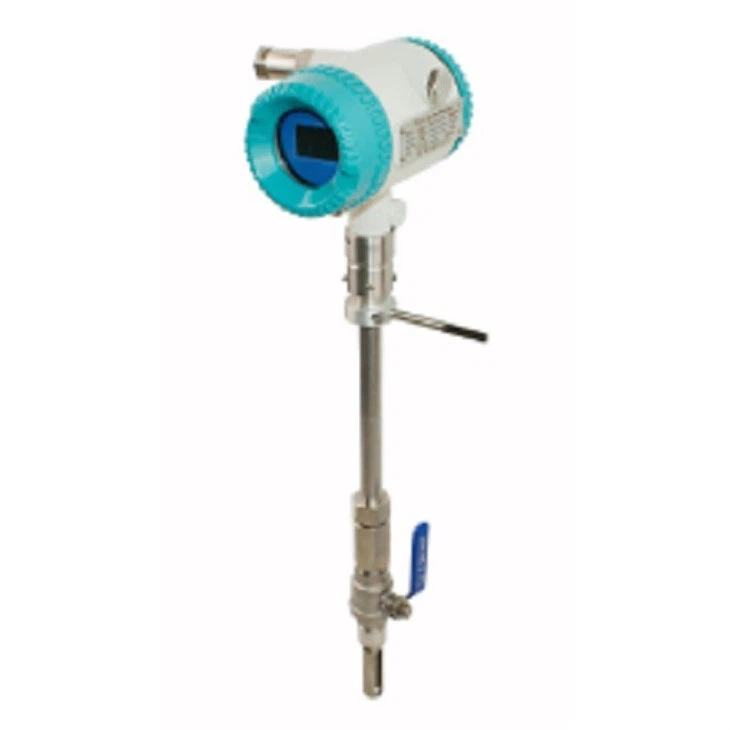
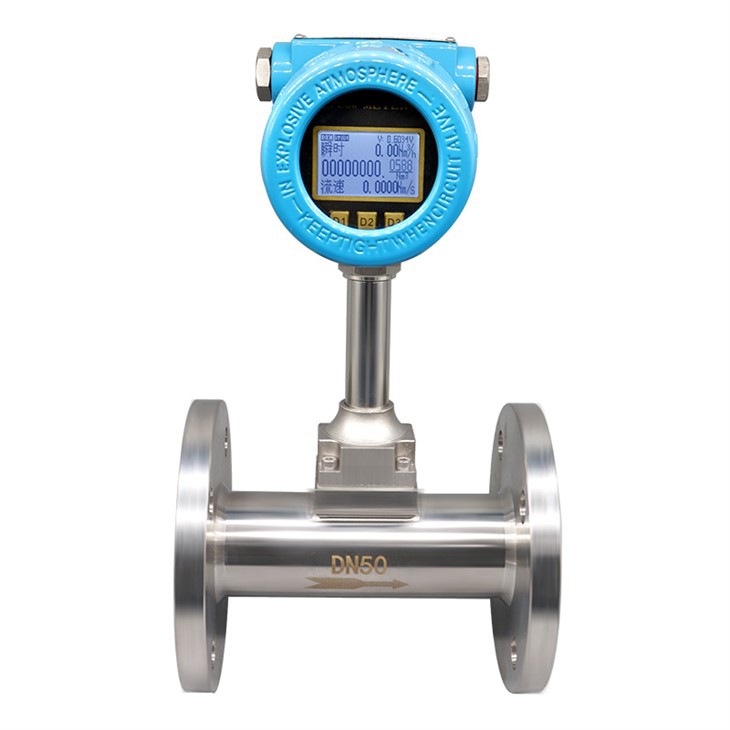
There are a few factors that can affect the linearity of a Slight Gas Flowmeter. One of the main ones is the design of the flowmeter itself. Different types of flowmeters have different levels of linearity. For instance, our Thermal Gas Mass Flowmeter with Digit Display is designed to have excellent linearity over a wide range of flow rates.
The thermal principle behind this type of flowmeter is pretty cool. It works by measuring the heat transfer from a heated sensor to the flowing gas. As the gas flow rate changes, the amount of heat transferred also changes, and this change is used to calculate the flow rate. The design of the sensors and the electronics in the flowmeter are carefully optimized to ensure a linear relationship between the heat transfer and the flow rate.
Another factor that can impact linearity is the properties of the gas being measured. Different gases have different thermal conductivities, viscosities, and densities. These properties can affect how the gas interacts with the flowmeter sensors. For example, a gas with a high viscosity might flow differently through the flowmeter compared to a low - viscosity gas, which can potentially throw off the linearity.
To deal with these gas - property issues, our Slight Gas Flowmeters are often calibrated for specific gases or gas mixtures. This calibration process involves testing the flowmeter with known flow rates of the target gas and adjusting the internal parameters to ensure accurate and linear measurements.
In some applications, like measuring biogas, the gas composition can be quite variable. Biogas is mainly composed of methane and carbon dioxide, but the ratio of these two gases can change depending on the source. Our Thermal Mass Gas Flowmeter For Biogas is specifically designed to handle these variable gas compositions and maintain good linearity.
It uses advanced algorithms and sensor technology to compensate for the changes in gas composition. By continuously monitoring the thermal properties of the gas, the flowmeter can adjust its measurements to ensure that the output remains linear and accurate, regardless of the exact biogas composition.
Now, let's talk about how we test the linearity of our Slight Gas Flowmeters. We have a state - of - the - art testing facility where we use precision flow calibration equipment. We measure the output of the flowmeter at multiple flow rates and compare it to the known, calibrated flow rates. If there are any deviations from linearity, we can make adjustments to the flowmeter's internal settings to correct them.
We also conduct long - term stability tests to ensure that the linearity of the flowmeter doesn't change over time. This is important because in real - world applications, flowmeters are often used continuously for long periods. Any drift in linearity can lead to inaccurate measurements and cause problems in the process.
When it comes to choosing a Slight Gas Flowmeter, linearity should be one of your top considerations. A flowmeter with poor linearity can lead to increased costs due to inaccurate measurements, wasted resources, and potential safety hazards. On the other hand, a flowmeter with good linearity, like the ones we offer, can provide you with reliable and accurate data, which is essential for the smooth operation of your processes.
If you're in an industry that requires accurate gas flow measurements, whether it's chemical manufacturing, environmental monitoring, or biogas production, our Slight Gas Flowmeters are a great choice. We've spent years perfecting the design and calibration of these devices to ensure the best possible linearity and performance.
So, if you're interested in learning more about our Slight Gas Flowmeters or want to discuss your specific application requirements, don't hesitate to reach out. We're always happy to help you find the right flowmeter for your needs and ensure that you get the most accurate and reliable gas flow measurements.
References
- "Flow Measurement Handbook: Industrial Designs and Applications" by Richard W. Miller
- "Thermal Mass Flow Meters: Principles and Applications" by various industry experts


