Hey there! As a supplier of the 3051DP Transmitter, I often get asked about the insulation resistance of this amazing device. So, in this blog, I'm gonna break it down for you and give you all the deets.
First off, let's talk about what insulation resistance is. Simply put, it's a measure of how well the electrical insulation in a device can resist the flow of electric current. In the case of the 3051DP Transmitter, good insulation resistance is crucial because it helps prevent electrical leakage, which can lead to inaccurate readings, malfunctions, and even safety hazards.
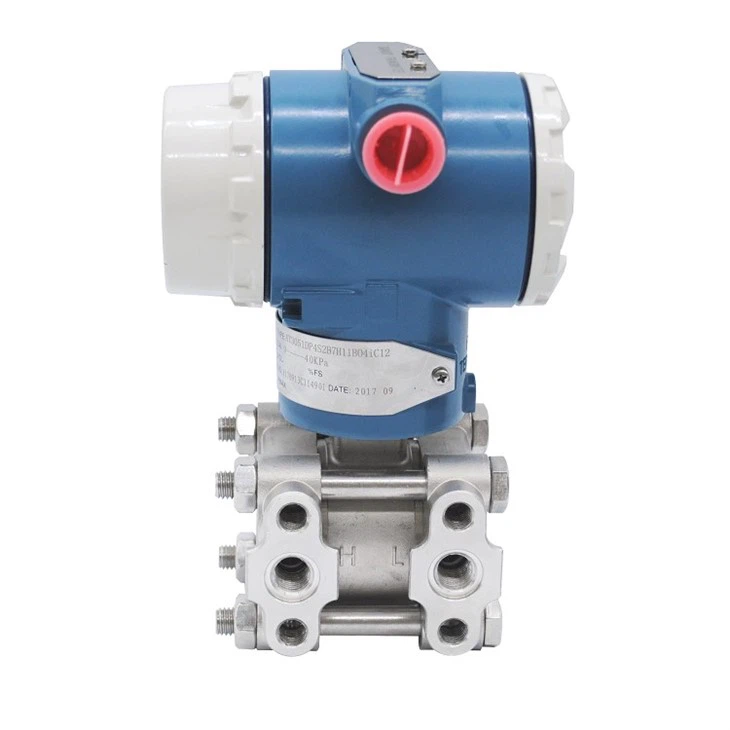
The 3051DP Transmitter is a high - performance DP Transmitter designed for a wide range of industrial applications. It's known for its reliability, accuracy, and durability. But when it comes to insulation resistance, there are a few factors that can affect it.
One of the main factors is the environment in which the transmitter is used. If the transmitter is installed in a harsh environment with high humidity, extreme temperatures, or exposure to chemicals, the insulation material can degrade over time. This degradation can lead to a decrease in insulation resistance. For example, in a chemical plant where the transmitter is exposed to corrosive gases, the insulation on the electrical components may start to break down, allowing current to leak.
Another factor is the age of the transmitter. Like any electronic device, the 3051DP Transmitter will experience wear and tear over time. The insulation material can become brittle, crack, or develop other defects as the device ages. This can also cause a reduction in insulation resistance.
Now, let's get into the actual numbers. The insulation resistance of the 3051DP Transmitter is typically specified in megohms (MΩ). Under normal operating conditions, a good insulation resistance value for the 3051DP Transmitter is usually in the range of several hundred megohms or more. However, the exact value can vary depending on the specific model and the manufacturer's specifications.
To measure the insulation resistance of the 3051DP Transmitter, you'll need a special instrument called an insulation resistance tester. This tester applies a known voltage to the insulation and measures the resulting current. By using Ohm's law (R = V/I), the insulation resistance can be calculated. It's important to follow the proper testing procedures and safety precautions when using an insulation resistance tester to avoid any damage to the transmitter or injury to yourself.
If you find that the insulation resistance of your 3051DP Transmitter is lower than the specified value, it's a sign that there may be a problem. You might need to check for visible signs of damage to the insulation, such as cracks or burns. In some cases, you may be able to clean the insulation to remove any dirt or debris that could be affecting the resistance. However, if the problem persists, it may be necessary to replace the damaged components or the entire transmitter.
The 3051DP Transmitter is also a 3051 Differential Pressure Transmitter that offers a lot of benefits in terms of differential pressure measurement. A proper insulation resistance ensures that the differential pressure measurements are accurate and reliable. If the insulation resistance is low, it can introduce electrical noise into the measurement circuit, which can lead to errors in the pressure readings.
In addition to differential pressure measurement, the 3051DP Transmitter can also be used as a DP Pressure Level Transmitter. When used for level measurement, the insulation resistance is equally important. Any electrical leakage can affect the accuracy of the level readings, which can be critical in applications where precise level control is required, such as in water treatment plants or oil storage tanks.
As a supplier of the 3051DP Transmitter, I understand the importance of providing high - quality products with good insulation resistance. We take great care in the manufacturing process to ensure that each transmitter meets the strictest quality standards. Our transmitters are tested thoroughly before they leave the factory to ensure that the insulation resistance is within the acceptable range.
If you're in the market for a 3051DP Transmitter, you can count on us to provide you with a reliable and high - performance device. Our team of experts is always available to answer any questions you may have about the insulation resistance or any other aspect of the transmitter. We can also offer advice on installation, maintenance, and testing to help you get the most out of your 3051DP Transmitter.
Whether you're using the transmitter for differential pressure measurement or level measurement, having a transmitter with good insulation resistance is essential for accurate and reliable operation. So, if you're looking for a top - notch 3051DP Transmitter, don't hesitate to get in touch with us. We're here to help you with all your transmitter needs and can guide you through the purchasing process. Contact us today to start the conversation and see how our 3051DP Transmitter can benefit your operations.
References:

- Manufacturer's specifications for the 3051DP Transmitter
- Industry standards for insulation resistance testing in industrial transmitters