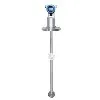
As a supplier of concentration meters, I understand the importance of these devices in various industries, from food and beverage to chemical processing. A concentration meter is a crucial tool for measuring the concentration of substances in a solution, and its accuracy and longevity are of utmost importance. In this blog post, I will share some practical tips on how to extend the lifespan of a concentration meter, ensuring that it continues to provide reliable and accurate measurements over time.
1. Proper Installation
The first step in extending the lifespan of a concentration meter is to ensure proper installation. Incorrect installation can lead to a variety of problems, including inaccurate readings, mechanical damage, and premature wear. Here are some key points to consider during installation:
- Location Selection: Choose a location that is free from excessive vibration, temperature fluctuations, and exposure to harsh chemicals or environmental conditions. For example, if you are installing a Drinking Concentration Meter in a beverage production facility, make sure it is away from areas with high traffic or equipment that generates a lot of heat or vibration.
- Mounting: Follow the manufacturer's instructions carefully when mounting the concentration meter. Ensure that it is securely fastened and level to prevent any movement or misalignment that could affect its performance.
- Wiring: Proper wiring is essential for the proper functioning of the concentration meter. Make sure all electrical connections are tight and free from corrosion. Use high-quality cables and connectors to minimize the risk of electrical interference.
2. Regular Cleaning and Maintenance
Regular cleaning and maintenance are essential for keeping a concentration meter in good working condition. Over time, dirt, debris, and chemical residues can accumulate on the sensor and other components, affecting its accuracy and performance. Here are some cleaning and maintenance tips:
- Cleaning Schedule: Establish a regular cleaning schedule based on the operating environment and the type of substances being measured. For example, in a food processing plant, the concentration meter may need to be cleaned daily to prevent the buildup of food particles.
- Cleaning Agents: Use the appropriate cleaning agents recommended by the manufacturer. Avoid using abrasive materials or harsh chemicals that could damage the sensor or other components. For example, a mild detergent solution may be sufficient for cleaning the exterior of the concentration meter, while a specialized cleaning solution may be required for cleaning the sensor.
- Sensor Calibration: Regular calibration is necessary to ensure the accuracy of the concentration meter. Follow the manufacturer's instructions for calibration and use a certified calibration standard. Calibration frequency may vary depending on the application and the accuracy requirements. In general, it is recommended to calibrate the concentration meter at least once a year or more frequently if necessary.
- Inspection: Regularly inspect the concentration meter for any signs of damage or wear. Check the sensor, cables, connectors, and other components for any cracks, leaks, or other issues. Replace any damaged or worn parts immediately to prevent further damage or malfunction.
3. Proper Storage
When the concentration meter is not in use, proper storage is essential to protect it from damage and ensure its longevity. Here are some storage tips:
- Temperature and Humidity: Store the concentration meter in a cool, dry place with a stable temperature and humidity level. Avoid storing it in areas with extreme temperatures or high humidity, as this can cause damage to the sensor and other components.
- Protection: Use a protective case or cover to protect the concentration meter from dust, dirt, and physical damage. Make sure the case or cover is properly sealed to prevent any moisture or debris from entering.
- Battery Maintenance: If the concentration meter is battery-powered, make sure to remove the batteries when it is not in use. Store the batteries in a cool, dry place and recharge them regularly to maintain their performance.
4. Operator Training
Proper operator training is crucial for the correct use and maintenance of a concentration meter. Operators should be trained on how to operate the concentration meter, perform basic maintenance tasks, and troubleshoot common problems. Here are some training tips:
- Training Program: Develop a comprehensive training program for operators that covers all aspects of the concentration meter, including its operation, maintenance, and calibration. Provide hands-on training and practical demonstrations to ensure that operators understand how to use the concentration meter correctly.
- Documentation: Provide operators with detailed documentation, including the user manual, calibration procedures, and maintenance schedules. Make sure the documentation is easy to understand and accessible.
- Refresher Training: Conduct regular refresher training sessions to keep operators up-to-date on the latest operating procedures and maintenance techniques. Encourage operators to ask questions and provide feedback to improve the training program.
5. Environmental Considerations
The operating environment can have a significant impact on the lifespan of a concentration meter. Factors such as temperature, humidity, pressure, and chemical exposure can all affect its performance and durability. Here are some environmental considerations:


- Temperature and Humidity: Most concentration meters are designed to operate within a specific temperature and humidity range. Make sure the operating environment is within this range to prevent any damage or malfunction. If necessary, use temperature and humidity control devices to maintain a stable environment.
- Pressure: Some concentration meters are sensitive to pressure changes. Make sure the pressure in the operating environment is within the specified range. If the pressure is too high or too low, it can affect the accuracy and performance of the concentration meter.
- Chemical Exposure: If the concentration meter is exposed to chemicals, make sure it is made of materials that are resistant to chemical corrosion. Use appropriate protective measures, such as chemical-resistant coatings or enclosures, to prevent damage to the concentration meter.
6. Upgrading and Replacement
As technology advances, it may be necessary to upgrade or replace an older concentration meter to improve its performance and functionality. Here are some factors to consider when deciding whether to upgrade or replace a concentration meter:
- Performance Requirements: If the current concentration meter is no longer meeting the performance requirements of the application, it may be time to upgrade to a newer model. For example, if the accuracy or precision of the concentration meter is not sufficient, a newer model with improved technology may be required.
- Technological Advancements: Newer concentration meters may offer features and capabilities that are not available on older models. For example, some newer concentration meters may have wireless connectivity, remote monitoring, or advanced data analysis capabilities.
- Cost-Effectiveness: Consider the cost of upgrading or replacing the concentration meter compared to the benefits it will provide. In some cases, it may be more cost-effective to upgrade an existing concentration meter rather than replace it with a new one.
Conclusion
Extending the lifespan of a concentration meter requires a combination of proper installation, regular cleaning and maintenance, proper storage, operator training, environmental considerations, and upgrading or replacement when necessary. By following these tips, you can ensure that your concentration meter continues to provide reliable and accurate measurements over time, saving you time and money in the long run.
If you are interested in purchasing a concentration meter or have any questions about its installation, maintenance, or operation, please feel free to contact us. Our team of experts is always ready to assist you and provide you with the best solutions for your specific needs.
References
- Manufacturer's User Manuals
- Industry Standards and Guidelines
- Technical Papers and Research Articles