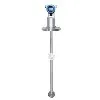
What is the function of a flowmeter in an oil and gas pipeline?
In the dynamic landscape of the oil and gas industry, the efficient and accurate measurement of fluid flow is of paramount importance. Flowmeters play a crucial role in ensuring the smooth operation, safety, and profitability of oil and gas pipelines. As a leading flowmeter supplier, we understand the significance of these devices and their impact on the industry. In this blog post, we will delve into the functions of flowmeters in oil and gas pipelines, exploring their importance and the various types available.
1. Accurate Flow Measurement
The primary function of a flowmeter in an oil and gas pipeline is to accurately measure the flow rate of the fluid. Whether it is crude oil, natural gas, or refined products, precise flow measurement is essential for several reasons. Firstly, it enables operators to monitor the quantity of fluid being transported through the pipeline, which is crucial for billing purposes. Accurate flow measurement ensures that both the supplier and the customer are billed correctly, preventing disputes and ensuring fair transactions.
Secondly, flow measurement is vital for process control. By knowing the flow rate, operators can adjust the pipeline's operating parameters, such as pressure and temperature, to optimize the transportation process. This helps to prevent overloading of the pipeline, reduce energy consumption, and ensure the efficient use of resources.
For example, in a crude oil pipeline, a flowmeter can provide real - time data on the volume of oil being transported. This information allows operators to balance the flow between different sections of the pipeline, ensuring that the oil reaches its destination in a timely and efficient manner.
2. Quality Control
Flowmeters also play a role in quality control within oil and gas pipelines. In addition to measuring the flow rate, some flowmeters can provide information about the properties of the fluid, such as density, viscosity, and temperature. This data is valuable for assessing the quality of the oil or gas being transported.
For instance, in the case of natural gas, the measurement of flow rate along with the gas's heating value (which can be inferred from density and composition measurements) is essential for determining its energy content. This information is used to ensure that the gas meets the required quality standards and is suitable for its intended use, whether it is for power generation, heating, or industrial processes.
In the refining process, flowmeters can help monitor the flow of different fractions of crude oil. By accurately measuring the flow of these fractions, refinery operators can ensure that the refining process is operating efficiently and that the final products meet the desired specifications.
3. Safety and Leak Detection
Another critical function of flowmeters in oil and gas pipelines is safety. Flowmeters can be used to detect leaks in the pipeline. If there is a sudden drop in the flow rate, it could indicate a leak in the pipeline. By continuously monitoring the flow rate, operators can quickly identify potential leaks and take appropriate action to prevent environmental damage, loss of product, and potential safety hazards.
In addition, flowmeters can help maintain safe operating conditions within the pipeline. By providing real - time data on the flow rate and pressure, operators can ensure that the pipeline is not operating outside its design limits. This helps to prevent pipeline failures, such as ruptures or explosions, which can have catastrophic consequences.
For example, in a high - pressure gas pipeline, a flowmeter can be integrated with a pressure sensor to monitor the flow and pressure simultaneously. If the pressure exceeds a certain threshold or the flow rate changes unexpectedly, an alarm can be triggered, alerting operators to take immediate action.
4. Process Optimization
Flowmeters are essential for optimizing the operation of oil and gas pipelines. By providing accurate flow data, operators can analyze the performance of the pipeline and identify areas for improvement. This could involve adjusting the pumping rate, modifying the pipeline layout, or implementing new control strategies.
For instance, in a multi - phase pipeline (where oil, gas, and water are transported together), flowmeters can help determine the optimal ratio of the different phases to ensure efficient transportation. By adjusting the flow rates of the individual phases, operators can reduce the risk of slugging (a phenomenon where large slugs of liquid form in the pipeline, causing operational problems) and improve the overall efficiency of the pipeline.

Flowmeters can also be used in conjunction with other devices, such as the Rosemount 3051C Smart Pressure Transmitter. This combination allows for more comprehensive monitoring of the pipeline's operating conditions, enabling operators to make more informed decisions about process optimization.
Types of Flowmeters Used in Oil and Gas Pipelines
There are several types of flowmeters available for use in oil and gas pipelines, each with its own advantages and limitations.
- Differential Pressure Flowmeters: These flowmeters work based on the principle of measuring the pressure difference across a constriction in the pipeline. Orifice plates, venturi tubes, and flow nozzles are common types of differential pressure flowmeters. They are relatively simple and cost - effective, but they can cause a significant pressure drop in the pipeline.
- Positive Displacement Flowmeters: Positive displacement flowmeters measure the flow by trapping a known volume of fluid and then counting the number of times this volume is filled and emptied. They are highly accurate and are suitable for measuring the flow of viscous fluids, such as crude oil. However, they can be more expensive and require regular maintenance.
- Turbine Flowmeters: Turbine flowmeters use a turbine wheel that rotates as the fluid flows through the pipeline. The rotational speed of the turbine is proportional to the flow rate. They are relatively accurate and have a wide flow range, but they can be affected by fluid viscosity and debris in the pipeline.
- Ultrasonic Flowmeters: Ultrasonic flowmeters measure the flow rate by using ultrasonic waves. They can be either transit - time or Doppler - based. Ultrasonic flowmeters are non - intrusive, which means they do not require direct contact with the fluid. They are suitable for measuring the flow of clean fluids and can be used in large - diameter pipelines.
Conclusion
In conclusion, flowmeters are indispensable in oil and gas pipelines. They perform a variety of functions, including accurate flow measurement, quality control, safety, and process optimization. As a flowmeter supplier, we are committed to providing high - quality flowmeters that meet the specific needs of the oil and gas industry. Our range of flowmeters is designed to offer accurate and reliable performance, helping our customers to improve the efficiency, safety, and profitability of their operations.
If you are in the oil and gas industry and are looking for a reliable flowmeter solution, we invite you to contact us for a detailed discussion. Our team of experts will be happy to assist you in selecting the most suitable flowmeter for your pipeline and provide you with all the necessary support and guidance.
References
- "Flow Measurement Handbook: Industrial Designs and Applications" by Richard W. Miller
- "Oil and Gas Pipeline Engineering" by John P. Lyons
- Technical literature from major flowmeter manufacturers.