

Hey there! As a supplier of the 3051DP Transmitter, I often get asked about the temperature range for this device to work properly. So, I thought I'd write this blog to share all the details with you.
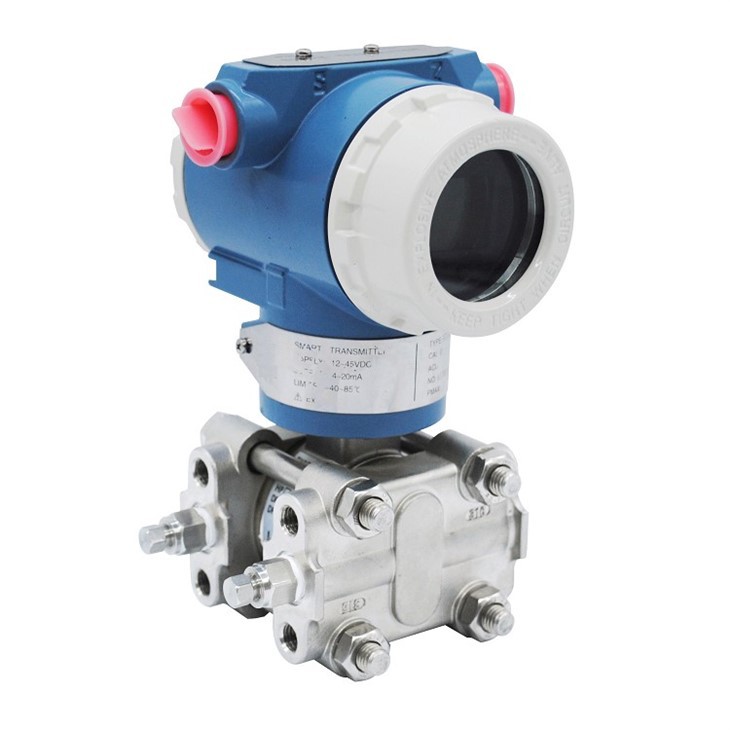
First off, let me give you a quick intro to the 3051DP Transmitter. It's a top - notch differential pressure transmitter that's widely used in various industries like oil and gas, chemical, and water treatment. You can learn more about it here: 3051DP Transmitter.
Now, let's talk about the temperature range. The normal operating temperature range for the 3051DP Transmitter is typically from -40°F to 185°F (-40°C to 85°C). This range is designed to ensure that the transmitter can function accurately and reliably in a wide variety of environments.
In colder temperatures, say below -40°F (-40°C), the transmitter might face some issues. The internal components can become more brittle, and the electrical properties of the materials can change. This could lead to inaccurate readings or even cause the transmitter to malfunction. On the other hand, when the temperature goes above 185°F (85°C), things like overheating can occur. The electronics inside the transmitter can start to degrade faster, and the accuracy of the pressure measurements can be affected.
But here's the good news. If you're dealing with extreme temperatures, we've got solutions. We offer a High Temperature Diaphragm Sealed Differential Pressure Transmitter that can handle higher temperatures. This special version is equipped with a diaphragm seal that helps protect the internal components from the excessive heat. It can work in temperatures up to 302°F (150°C) or even higher in some cases, depending on the specific model.
Another option is our Pressure Transmitter Made in China. These transmitters are built with high - quality materials and advanced manufacturing techniques. They are designed to be more resistant to temperature variations, providing stable performance in different temperature conditions.
When choosing the right transmitter for your application, it's important to consider the actual temperature range of your working environment. You need to take into account not just the average temperature but also the maximum and minimum temperatures that the transmitter might be exposed to. For example, if you're using the transmitter in an outdoor industrial setting, you have to think about seasonal temperature changes. In winter, it could get really cold, while in summer, it can be extremely hot.
Also, keep in mind that the installation location of the transmitter can affect its temperature exposure. If it's installed near a heat source like a furnace or a boiler, it will experience higher temperatures. In such cases, you might need to use additional heat - shielding or cooling measures to keep the transmitter within its operating temperature range.
We've done a lot of testing on our 3051DP Transmitters to ensure that they meet the highest standards of performance in different temperature conditions. Our R & D team is constantly working on improving the design and materials to make the transmitters more temperature - resistant.
If you're in the market for a reliable differential pressure transmitter and need to know more about the temperature range and how it affects the performance, feel free to reach out. Whether you're working in a mild climate or an extreme temperature environment, we've got the right 3051DP Transmitter for you. We can help you choose the best model based on your specific requirements and provide you with all the technical support you need.

So, don't hesitate to contact us for more information and to start the procurement process. We're here to make sure you get the most out of your investment in our transmitters.
References:
- Manufacturer's technical documentation for 3051DP Transmitter
- Industry standards for differential pressure transmitters in temperature - sensitive applications


