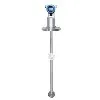
Hey there! As a supplier of concentration meters, I've seen firsthand how important it is to store these devices properly. A concentration meter is a valuable tool that can help you accurately measure the concentration of various substances in liquids. Whether you're using it in a laboratory, a manufacturing plant, or for environmental monitoring, taking good care of your concentration meter is crucial to ensure its longevity and accuracy. In this blog post, I'll share some tips on how to store a concentration meter effectively.
Clean the Concentration Meter Before Storage
Before you put your concentration meter away, it's essential to clean it thoroughly. This helps prevent the buildup of dirt, debris, and chemicals that can damage the device over time. Start by following the manufacturer's instructions for cleaning. Typically, you'll need to use a mild detergent and a soft cloth to wipe down the exterior of the meter. Make sure to remove any visible stains or residues.
For the sensor part, which is the most critical component of the concentration meter, be extra careful. Some sensors may require special cleaning solutions or procedures. For example, if you have an Online Concentration Transmitter, the sensor might be sensitive to certain chemicals. So, use a cleaning solution recommended by the manufacturer to avoid any damage. After cleaning, rinse the sensor with distilled water and dry it gently with a clean, lint - free cloth.
Choose the Right Storage Environment
The storage environment plays a significant role in the preservation of your concentration meter. You want to find a place that is clean, dry, and away from direct sunlight and extreme temperatures.
- Temperature: Concentration meters are sensitive to temperature changes. Extreme heat or cold can affect the accuracy of the device and even damage its internal components. Ideally, store your concentration meter in an environment where the temperature ranges between 10°C and 30°C (50°F and 86°F). Avoid storing it in places like attics or basements where the temperature can fluctuate wildly.
- Humidity: High humidity can cause corrosion and electrical problems in the concentration meter. Aim for a storage area with a relative humidity of less than 60%. If you live in a humid climate, you might want to use a dehumidifier in the storage room or place silica gel packets near the meter to absorb moisture.
- Dust and Debris: Dust can accumulate on the meter and its sensors, which can interfere with its performance. Store the concentration meter in a closed cabinet or a storage case to protect it from dust. If possible, choose a storage area that is not prone to dust, such as a dedicated equipment storage room.
Protect the Sensor
The sensor is the heart of the concentration meter, and it needs extra protection during storage. Here are some ways to safeguard it:
- Use a Protective Cap: Many concentration meters come with a protective cap for the sensor. Make sure to put this cap on before storing the device. The cap helps prevent physical damage to the sensor and keeps it clean.
- Avoid Contact with Harsh Chemicals: Even when the meter is not in use, keep it away from chemicals that could corrode or damage the sensor. If you have chemicals stored in the same area, make sure they are properly sealed and stored separately from the concentration meter.
Check the Battery (if applicable)
If your concentration meter is battery - operated, it's important to handle the battery correctly during storage.
- Remove the Battery: If you're not going to use the meter for an extended period, it's a good idea to remove the battery. Batteries can leak over time, which can damage the internal components of the meter. Store the battery separately in a cool, dry place.
- Charge the Battery Regularly: If you plan to store the meter for a short period, keep the battery in the device but make sure to charge it regularly. A fully discharged battery can lose its capacity over time, and you don't want to come back to a dead battery when you need to use the meter again.
Store the Accessories
In addition to the concentration meter itself, you may have some accessories such as cables, calibration solutions, and user manuals. Don't forget to store these items properly as well.


- Keep the Cables Organized: Tangled cables can be a hassle and can even get damaged. Use cable ties or clips to keep the cables neatly organized. You can also store them in a small pouch or a box along with the meter.
- Store Calibration Solutions Correctly: Calibration solutions are essential for maintaining the accuracy of the concentration meter. Make sure to store them in a cool, dark place and check their expiration dates regularly. If a calibration solution has expired, replace it before using the meter again.
- Keep the User Manual Handy: The user manual contains important information about the operation, maintenance, and troubleshooting of the concentration meter. Store it in a safe place where you can easily find it when you need it.
Consider the Type of Concentration Meter
Different types of concentration meters may have specific storage requirements. For example:
- Fork Type Concentration Transmitter: This type of transmitter has a unique fork - shaped sensor. When storing it, make sure to protect the fork from bending or damage. You may need to use a special storage case designed for this type of meter.
- Drinking Concentration Meter: Since this meter is used for measuring substances in drinking water, it needs to be stored in a clean and hygienic environment. Follow the same cleaning and storage procedures as above, but pay extra attention to ensuring that the meter is free from any contaminants that could affect its accuracy when measuring drinking water.
Regularly Inspect the Meter During Storage
Even when the concentration meter is in storage, it's a good idea to check it periodically.
- Visual Inspection: Every few months, take the meter out of storage and give it a visual inspection. Look for any signs of damage, such as cracks, corrosion, or loose parts. If you notice any issues, address them immediately.
- Functional Check: If possible, perform a simple functional check on the meter every six months. This can help you detect any problems early and ensure that the meter is still in working condition when you need to use it.
Conclusion
Proper storage of a concentration meter is essential for maintaining its accuracy and longevity. By following these tips, you can ensure that your concentration meter is in good condition and ready to use whenever you need it. Whether you have an Online Concentration Transmitter, a Fork Type Concentration Transmitter, or a Drinking Concentration Meter, taking care of it during storage will save you time and money in the long run.
If you're in the market for a new concentration meter or have any questions about our products, feel free to reach out. We're here to help you find the right solution for your concentration measurement needs and provide you with the best support for maintaining your equipment.
References
- Manufacturer's user manuals for concentration meters
- Industry standards for equipment storage and maintenance