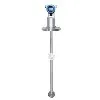
Roots flowmeters are widely used in various industries to measure the volume of gas flowing through a pipeline. As a Roots flowmeter supplier, I understand the importance of accurate calibration to ensure the reliable performance of these instruments. In this blog post, I will share some insights on how to calibrate a Roots flowmeter effectively.
Understanding the Basics of Roots Flowmeters
Before diving into the calibration process, it's essential to have a clear understanding of how Roots flowmeters work. A Roots flowmeter consists of two counter-rotating rotors with lobes that mesh together. As gas flows through the meter, the rotors turn, and the number of rotations is proportional to the volume of gas passed. This mechanical movement is then translated into an electrical signal, which can be used to display the flow rate.
The accuracy of a Roots flowmeter depends on several factors, including the design of the rotors, the quality of the manufacturing, and the operating conditions. Over time, factors such as wear and tear, changes in gas composition, and temperature variations can affect the performance of the flowmeter, making calibration necessary.
Pre - Calibration Checks
Before starting the calibration process, it's crucial to perform a series of pre - calibration checks. These checks help to ensure that the flowmeter is in good working condition and that the calibration process will yield accurate results.
- Visual Inspection: Conduct a thorough visual inspection of the flowmeter. Check for any signs of physical damage, such as cracks, dents, or loose connections. Ensure that the meter is properly installed in the pipeline, with no obstructions or leaks.
- Electrical Checks: Verify the electrical connections of the flowmeter. Check the power supply, signal cables, and any associated control equipment. Make sure that the electrical signals are stable and within the specified range.
- Gas Quality: Analyze the quality of the gas flowing through the meter. The gas should be clean and free from contaminants, as impurities can affect the performance of the rotors and lead to inaccurate measurements. If necessary, install appropriate filters upstream of the flowmeter.
Calibration Methods
There are several methods available for calibrating a Roots flowmeter. The choice of method depends on various factors, such as the accuracy requirements, the available calibration equipment, and the nature of the application.
Gravimetric Method
The gravimetric method is one of the most accurate ways to calibrate a Roots flowmeter. This method involves measuring the mass of the gas that passes through the flowmeter over a specific period.
- Set up the Equipment: Install a precision weighing scale and a collection vessel downstream of the flowmeter. Ensure that the collection vessel is properly sealed to prevent gas leakage.
- Measure the Mass: Start the gas flow and record the time. After a predetermined period, stop the flow and weigh the collection vessel. The difference in mass before and after the test represents the mass of the gas that has passed through the flowmeter.
- Calculate the Flow Rate: Using the measured mass and the time interval, calculate the actual flow rate of the gas. Compare this value with the reading from the flowmeter to determine the calibration factor.
Volumetric Method
The volumetric method is another commonly used calibration technique. This method measures the volume of gas that passes through the flowmeter.


- Use a Volumetric Standard: Employ a volumetric standard, such as a calibrated bell prover or a piston prover. Connect the standard to the flowmeter in series.
- Measure the Volume: Pass a known volume of gas through the flowmeter and the volumetric standard simultaneously. Compare the volume measured by the flowmeter with the known volume from the standard.
- Determine the Calibration Factor: Based on the comparison, calculate the calibration factor for the flowmeter. Adjust the flowmeter settings accordingly to ensure accurate measurements.
Comparison Method
The comparison method involves comparing the performance of the Roots flowmeter with a reference flowmeter that has been previously calibrated.
- Install the Reference Flowmeter: Install a reference flowmeter, which is traceable to a national or international standard, in parallel with the flowmeter to be calibrated.
- Measure the Flow: Pass the gas through both flowmeters simultaneously. Record the flow rate readings from both meters.
- Calculate the Deviation: Compare the readings from the two flowmeters. Calculate the deviation between the two values and use this information to adjust the calibration of the Roots flowmeter.
Calibration Procedure
Once you have selected the appropriate calibration method, follow these general steps for the calibration procedure:
- Zeroing the Flowmeter: Before starting the calibration, zero the flowmeter. This ensures that the meter reads zero when there is no gas flow.
- Low - Flow Calibration: Start the calibration process at low flow rates. Gradually increase the gas flow and record the flowmeter readings at different flow points. Compare these readings with the actual values obtained from the calibration method.
- High - Flow Calibration: Repeat the process at high flow rates. Ensure that the flowmeter is capable of accurately measuring the gas flow across the entire operating range.
- Adjustment: Based on the comparison between the flowmeter readings and the actual values, make the necessary adjustments to the flowmeter settings. This may involve adjusting the calibration factor, changing the signal output, or modifying the internal parameters of the meter.
- Verification: After making the adjustments, verify the calibration by repeating the measurements at different flow rates. Ensure that the flowmeter readings are within the specified accuracy limits.
Post - Calibration Considerations
After completing the calibration process, there are several post - calibration considerations to keep in mind:
- Documentation: Maintain detailed records of the calibration process. Document the calibration method used, the calibration results, and any adjustments made to the flowmeter. This documentation is essential for quality control and regulatory compliance.
- Regular Checks: Establish a regular calibration schedule for the Roots flowmeter. Depending on the application and the operating conditions, the flowmeter may need to be calibrated annually or more frequently.
- Performance Monitoring: Continuously monitor the performance of the flowmeter after calibration. Look for any signs of drift or inaccuracy in the measurements. If necessary, perform additional calibration checks.
Importance of Calibration for Roots Flowmeters
Accurate calibration of Roots flowmeters is crucial for several reasons:
- Process Control: In industrial processes, accurate flow measurement is essential for maintaining process control. A calibrated flowmeter ensures that the correct amount of gas is being used, which helps to optimize the process and improve product quality.
- Billing and Accounting: In the gas industry, flowmeters are used for billing purposes. Accurate calibration ensures that customers are billed correctly for the gas they consume, which is important for both the supplier and the consumer.
- Safety: In some applications, such as in the oil and gas industry, accurate flow measurement is critical for safety reasons. A calibrated flowmeter helps to prevent over - or under - flow of gas, which can lead to hazardous situations.
Contact for Purchase and Calibration Services
As a reliable Roots flowmeter supplier, we offer high - quality Roots Flowmeter for Gas products and professional calibration services. Our team of experts is committed to providing you with the best solutions for your flow measurement needs. Whether you are looking for a new Gas Roots Flowmeter or need to calibrate your existing meter, we are here to assist you. If you are interested in our products or services, please feel free to contact us for further discussion and negotiation.
References
- ISO 9300:2019, “Measurement of gas flow by means of critical flow Venturi nozzles”
- ASTM D3145 - 06(2016), “Standard Test Method for Gas Flow Measurement by Means of Critical - Flow Venturi Nozzles”
- Spitzer, D. W. (2001). “Flow Measurement: Practical Guides for Measurement and Control”. ISA - The Instrumentation, Systems, and Automation Society.