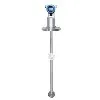
The 3051 Transmitter is a highly versatile and widely used device in the industrial field, particularly for pressure measurement and control. As a trusted supplier of the 3051 Transmitter, understanding its power supply requirements is crucial for both us and our customers. In this blog, we will delve into the details of the power supply requirements for the 3051 Transmitter, exploring why they are important, what the specific requirements are, and how to ensure proper power supply for optimal performance.


Importance of Power Supply Requirements
The power supply is the lifeblood of any electronic device, and the 3051 Transmitter is no exception. A stable and appropriate power supply is essential for the transmitter to function accurately and reliably. Incorrect power supply can lead to a range of issues, including inaccurate measurements, signal interference, and even damage to the device. By understanding and meeting the power supply requirements, we can ensure that the 3051 Transmitter operates at its best, providing accurate and consistent data for industrial processes.
Specific Power Supply Requirements
The 3051 Transmitter typically operates on a 4 - 20 mA current loop, which is a standard in the industrial instrumentation industry. This current loop not only provides the power for the transmitter but also serves as the communication medium for transmitting the measured pressure data. The power supply voltage for the 3051 Transmitter usually ranges from 10.5 VDC to 42.4 VDC. This wide range of voltage allows the transmitter to be used in various industrial environments with different power supply configurations.
Voltage Range
The lower limit of 10.5 VDC ensures that the transmitter can operate even in low - voltage situations, which is useful in some remote or battery - powered applications. However, it's important to note that at the lower end of the voltage range, the available power for the transmitter may be limited, which could potentially affect its performance in some cases.
On the other hand, the upper limit of 42.4 VDC provides a margin of safety and flexibility. It allows the transmitter to be used in systems with higher voltage power supplies without the risk of over - voltage damage. This wide voltage range makes the 3051 Transmitter suitable for a variety of industrial applications, from small - scale local control systems to large - scale industrial plants.
Current Consumption
The 3051 Transmitter has a relatively low current consumption. In a typical operation, the transmitter draws a small amount of current from the 4 - 20 mA loop. The actual current consumption depends on various factors, such as the operating temperature, the output signal level, and the additional features enabled on the transmitter. For example, if the transmitter is equipped with additional communication interfaces or diagnostic functions, the current consumption may increase slightly.
Ensuring Proper Power Supply
To ensure that the 3051 Transmitter receives the proper power supply, several factors need to be considered.
Power Source Quality
The quality of the power source is of utmost importance. A stable and clean power supply is required to avoid voltage fluctuations and electrical noise. Voltage fluctuations can cause the transmitter to produce inaccurate measurements, while electrical noise can interfere with the signal transmission. It is recommended to use a regulated power supply with low ripple and high stability. Additionally, using power filters and surge protectors can help to further improve the power supply quality.
Wiring Considerations
Proper wiring is also essential for a reliable power supply. The wiring should be of appropriate gauge to minimize voltage drop. A large voltage drop in the wiring can reduce the voltage available at the transmitter, which may lead to performance issues. It is also important to ensure that the wiring is properly insulated and protected from environmental factors such as moisture, heat, and mechanical damage.
Grounding
Correct grounding is crucial for the proper operation of the 3051 Transmitter. A good grounding system helps to eliminate electrical interference and provides a reference point for the electrical signals. The transmitter should be grounded according to the manufacturer's instructions, and the grounding connection should be checked regularly to ensure its integrity.
Different Models and Their Power Supply Requirements
There are different models of the 3051 Transmitter, such as the High Temperature Diaphragm Sealed Differential Pressure Transmitter and the Smart Differential Pressure Transmitter 4 - 20mA. While the basic power supply requirements remain similar, there may be some minor differences due to their specific features and applications.
High Temperature Diaphragm Sealed Differential Pressure Transmitter
This model is designed for use in high - temperature environments. Due to the additional components and insulation required to withstand high temperatures, it may have slightly different power consumption characteristics compared to the standard model. However, it still operates within the same 4 - 20 mA current loop and the general voltage range of 10.5 VDC to 42.4 VDC.
Smart Differential Pressure Transmitter 4 - 20mA
The smart differential pressure transmitter offers advanced features such as digital communication and self - diagnostic capabilities. These additional features may increase the power consumption slightly, but again, the overall power supply requirements are still within the specified range.
Impact of Incorrect Power Supply
If the power supply requirements are not met, it can have a significant impact on the performance of the 3051 Transmitter.
Inaccurate Measurements
Insufficient power supply voltage can cause the transmitter to produce inaccurate pressure measurements. The internal components of the transmitter may not operate properly, leading to errors in the conversion of pressure to an electrical signal. Similarly, excessive voltage can also damage the internal circuitry of the transmitter, resulting in inaccurate readings.
Signal Interference
Poor power supply quality, such as electrical noise or voltage fluctuations, can cause signal interference. This interference can distort the 4 - 20 mA signal, making it difficult for the receiving device to accurately interpret the pressure data. In some cases, the interference can be so severe that it may cause the communication between the transmitter and the control system to fail.
Device Damage
Prolonged exposure to incorrect power supply conditions can cause permanent damage to the 3051 Transmitter. Over - voltage can cause components to overheat and burn out, while under - voltage can lead to the malfunction of critical circuits. Once the device is damaged, it may need to be replaced, which can result in significant downtime and cost.
Conclusion and Call to Action
In conclusion, understanding the power supply requirements for the 3051 Transmitter is essential for ensuring its accurate and reliable operation. As a supplier, we are committed to providing our customers with high - quality 3051 Transmitters and comprehensive technical support. If you have any questions about the power supply requirements or need assistance in selecting the right model for your application, please feel free to contact us for a detailed discussion. Our team of experts is ready to help you make the best decision for your industrial measurement needs.
References
- Honeywell. (20XX). 3051 Transmitter User Manual.
- Industrial Instrumentation Handbook. (20XX).