How to Install a Slight Gas Flowmeter in a Multi - Phase Gas System
As a supplier of Slight Gas Flowmeters, I understand the importance of proper installation in a multi - phase gas system. A well - installed flowmeter ensures accurate measurement, reliable operation, and long - term performance. In this blog, I will guide you through the process of installing a slight gas flowmeter in a multi - phase gas system.
Pre - installation Preparation
Before you start the installation process, it is crucial to conduct a thorough assessment of the multi - phase gas system. First, understand the characteristics of the gas, such as its composition, temperature, pressure, and flow rate. Different gases may have different properties that can affect the performance of the flowmeter. For example, corrosive gases may require a flowmeter with a special coating or made of corrosion - resistant materials.
Next, measure the pipe size and layout where the flowmeter will be installed. The pipe diameter should match the specifications of the flowmeter to ensure accurate measurement. Also, check for any bends, valves, or other obstructions in the pipe that could cause turbulence and affect the flow pattern. It is recommended to have a straight run of pipe upstream and downstream of the flowmeter to ensure a stable flow.
Gather all the necessary tools and equipment for the installation, including wrenches, screwdrivers, sealants, and gaskets. Make sure you have the installation manual for the Slight Gas Flowmeter at hand, as it will provide detailed instructions specific to your model.
Selecting the Right Location
The location of the flowmeter in the multi - phase gas system is critical for accurate measurement. The flowmeter should be installed in a location where the gas flow is fully developed and free from excessive turbulence. A general rule of thumb is to have at least 10 - 15 pipe diameters of straight pipe upstream and 5 - 10 pipe diameters of straight pipe downstream of the flowmeter.
Avoid installing the flowmeter near valves, elbows, or other flow - disturbing elements. If it is unavoidable, consider using flow straighteners to reduce the turbulence. Also, make sure the installation location is easily accessible for maintenance and calibration.
In a multi - phase gas system, the flowmeter should be installed in a position where it can accurately measure the gas phase. If there is a significant amount of liquid or solid particles in the gas, the flowmeter may need to be installed in a location where the gas is separated from the other phases, such as after a separator.
Mounting the Flowmeter
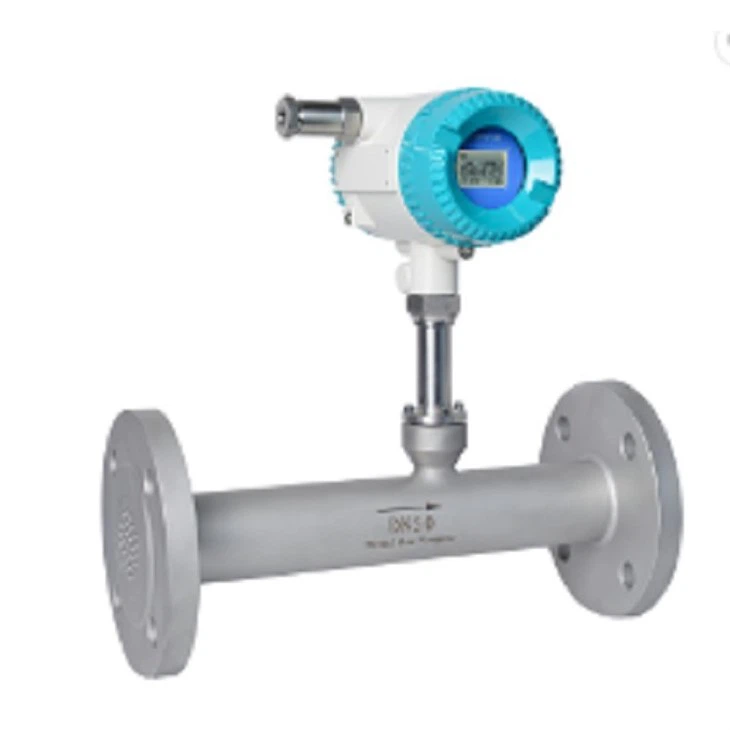
Once you have selected the right location, it's time to mount the flowmeter. First, clean the pipe surface where the flowmeter will be installed to ensure a good seal. Apply a suitable sealant or gasket to the flange or connection points of the flowmeter.
Carefully align the flowmeter with the pipe and insert the bolts or screws. Tighten the bolts evenly to avoid any misalignment or leakage. Make sure the flowmeter is installed in the correct orientation, as indicated in the installation manual. Some flowmeters have specific inlet and outlet directions that must be followed for accurate measurement.
After mounting the flowmeter, check for any signs of leakage around the connection points. You can use a soap solution to detect any leaks. If a leak is detected, tighten the bolts further or replace the gasket.
Electrical Connections
If your slight gas flowmeter is equipped with electrical components, such as a transmitter or a display, you need to make the appropriate electrical connections. First, turn off the power supply to the system to avoid any electrical hazards.
Follow the wiring diagram in the installation manual to connect the power cables, signal cables, and grounding wires. Make sure all the connections are secure and properly insulated. Use cable ties or clamps to organize the cables and prevent them from getting tangled.
After making the electrical connections, turn on the power supply and check if the flowmeter is functioning properly. The display should show the correct readings, and the transmitter should send the signals to the control system.
Calibration and Testing
Once the flowmeter is installed and the electrical connections are made, it is necessary to calibrate the flowmeter. Calibration ensures that the flowmeter provides accurate measurements. You can use a calibration device or send the flowmeter to a calibration laboratory.
Before calibration, let the gas flow through the system for a few minutes to stabilize the flow. Then, follow the calibration procedure in the installation manual. This may involve adjusting the zero point and span of the flowmeter to match the known flow rates.
After calibration, conduct a series of tests to verify the performance of the flowmeter. Measure the gas flow rate at different operating conditions and compare the readings with the expected values. Check for any signs of instability or inaccuracy in the measurements.
Maintenance and Troubleshooting
Regular maintenance is essential to ensure the long - term performance of the slight gas flowmeter. Clean the flowmeter periodically to remove any dirt, debris, or deposits that may accumulate on the sensor or other components. Check the electrical connections for any signs of corrosion or loose wires.
If you encounter any problems with the flowmeter, refer to the troubleshooting section of the installation manual. Common problems include inaccurate readings, display errors, or electrical malfunctions. You may need to check the power supply, the sensor, or the wiring to identify and fix the problem.
In a multi - phase gas system, the flowmeter may be affected by changes in the gas composition, temperature, or pressure. Monitor these parameters regularly and adjust the calibration of the flowmeter if necessary.

Conclusion
Installing a slight gas flowmeter in a multi - phase gas system requires careful planning, proper selection of the installation location, accurate mounting, and correct electrical connections. By following the steps outlined in this blog, you can ensure that your flowmeter is installed correctly and provides accurate measurements.
If you are interested in purchasing a Slight Gas Flowmeter, we also offer a range of related products, such as the Thermal Mass Gas Flowmeter For Biogas and the Thermal Gas Mass Flowmeter with Digit Display. If you have any questions or need further assistance with the installation or selection of a flowmeter, please feel free to contact us for a purchase consultation.
References
- Flow Measurement Handbook: Principles and Practice, by Richard W. Miller
- Industrial Flow Measurement, by A. K. Mohanty