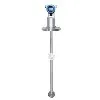
Hey there! As a supplier of DP transmitters, I often get asked about how to install a DP transmitter on a vertical pipeline. It's not as complicated as it might seem at first glance, but there are definitely some key steps and considerations to keep in mind. In this blog post, I'll walk you through the whole process, from start to finish.
Step 1: Gather Your Tools and Materials
Before you even start thinking about installation, you need to make sure you have all the right tools and materials on hand. Here's a quick list of what you'll typically need:
- A DP transmitter. We offer a range of great options, like the Smart Differential Pressure Transmitter 4 - 20mA and the Smart Differential Pressure Transmitter. These transmitters are reliable and easy to work with.
- Mounting brackets and hardware. You'll need these to securely attach the transmitter to the pipeline.
- Wrenches and screwdrivers for tightening and loosening bolts and screws.
- Sealant or gaskets to prevent leaks.
- Electrical cables for connecting the transmitter to your control system.
Step 2: Choose the Right Location
Picking the right spot on the vertical pipeline to install the DP transmitter is crucial. Here are some things to consider:
- Accessibility: You want to be able to easily reach the transmitter for maintenance and calibration later on. So, don't install it in a hard - to - reach area.
- Flow Conditions: Try to find a section of the pipeline where the flow is relatively stable. Avoid areas near elbows, valves, or other flow - disturbing elements, as these can cause inaccurate pressure readings.
- Height: The height of the installation can affect the measurement. Make sure to follow the manufacturer's guidelines regarding the optimal height for your specific DP transmitter.
Step 3: Prepare the Pipeline
Once you've chosen the location, it's time to prepare the pipeline for installation.
- Clean the Surface: Use a wire brush or a cleaning agent to remove any dirt, rust, or debris from the area where the transmitter will be mounted. A clean surface ensures a good seal and proper mounting.
- Mark the Mounting Holes: If you're using mounting brackets, use a marker to mark the locations of the holes on the pipeline. This will help you align the brackets correctly.
Step 4: Install the Mounting Brackets
Now it's time to attach the mounting brackets to the pipeline.
- Align the Brackets: Place the brackets over the marked holes and make sure they are level and straight. Use a spirit level to double - check.
- Secure the Brackets: Insert the bolts through the holes in the brackets and the pipeline, and tighten them using a wrench. Make sure the brackets are firmly attached to the pipeline.
Step 5: Install the DP Transmitter
With the mounting brackets in place, it's time to install the DP transmitter.
- Attach the Transmitter to the Brackets: Carefully place the DP transmitter on the mounting brackets and align it with the holes. Insert the bolts or screws and tighten them gently. Don't over - tighten, as this could damage the transmitter.
- Connect the Pressure Ports: The DP transmitter has two pressure ports: a high - pressure port and a low - pressure port. Connect these ports to the appropriate points on the pipeline using the provided tubing or fittings. Make sure to use sealant or gaskets to prevent leaks.
Step 6: Electrical Connection
After the physical installation is done, it's time to make the electrical connections.


- Route the Cables: Carefully route the electrical cables from the DP transmitter to your control system. Make sure to keep the cables away from sources of interference, such as motors or high - voltage lines.
- Connect the Wires: Follow the wiring diagram provided with the transmitter to connect the wires correctly. Usually, there will be wires for power, signal output, and ground. Double - check your connections to avoid any electrical issues.
Step 7: Calibration and Testing
Once everything is installed and connected, it's time to calibrate and test the DP transmitter.
- Calibration: Use a calibration tool to set the zero and span of the transmitter according to the manufacturer's instructions. This ensures accurate pressure measurements.
- Testing: Apply a known pressure to the transmitter and check the output signal. Compare the reading with the expected value. If there are any discrepancies, adjust the calibration settings as needed.
Step 8: Final Checks
Before you call the installation complete, do a final check.
- Inspect the Installation: Look for any loose connections, leaks, or signs of damage. Make sure all the bolts and screws are tightened properly.
- Documentation: Keep a record of the installation, including the location, calibration settings, and any other relevant information. This will be useful for future maintenance and troubleshooting.
Special Considerations for High - Temperature Applications
If you're installing the DP transmitter in a high - temperature environment, you might want to consider using a High Temperature Diaphragm Sealed Differential Pressure Transmitter. These transmitters are designed to withstand high temperatures and provide accurate measurements even in harsh conditions.
Conclusion
Installing a DP transmitter on a vertical pipeline is a process that requires careful planning and attention to detail. By following these steps, you can ensure a successful installation and accurate pressure measurements. If you have any questions or need further assistance, don't hesitate to reach out. We're here to help you make the most of your DP transmitter. Whether you're a small - scale operation or a large industrial facility, our range of DP transmitters can meet your needs. So, if you're looking to purchase a DP transmitter or need more information about our products, feel free to get in touch for a procurement discussion. We'll be happy to work with you to find the best solution for your specific requirements.
References
- Manufacturer's installation and operation manuals for DP transmitters.
- Industry standards and guidelines for pressure transmitter installation.