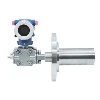
Installing a fork level switch in a horizontal pipe is a crucial process that requires careful planning and execution. As a leading supplier of fork level switches, we understand the importance of providing clear and detailed guidance to ensure a successful installation. In this blog post, we will walk you through the step-by-step process of installing a fork level switch in a horizontal pipe, highlighting key considerations and best practices along the way.
Step 1: Preparation
Before you begin the installation process, it is essential to gather all the necessary tools and materials. Here's a list of items you will need: - Fork level switch: Choose the appropriate Fork Level Switch for your application based on factors such as the type of medium, temperature, pressure, and pipe size. - Mounting hardware: This may include mounting brackets, gaskets, bolts, and nuts. Make sure the mounting hardware is compatible with the fork level switch and the pipe. - Wrenches: You will need a set of wrenches to tighten the mounting bolts and connections. - Sealant: Use a suitable sealant to prevent leaks at the mounting points. - Electrical cables: Ensure you have the correct electrical cables to connect the fork level switch to the control system. - Safety equipment: Wear appropriate safety gear, such as gloves and safety glasses, to protect yourself during the installation process.
Step 2: Select the Installation Location
Choosing the right installation location is critical for the proper functioning of the fork level switch. Here are some factors to consider when selecting the location: - Accessibility: The installation location should be easily accessible for maintenance and inspection. - Flow conditions: Avoid installing the fork level switch in areas with high turbulence or rapid flow changes, as this can affect the accuracy of the level measurement. - Medium characteristics: Consider the properties of the medium, such as its density, viscosity, and temperature. The fork level switch should be installed in a location where it can accurately detect the level of the medium. - Pipe orientation: For horizontal pipes, the fork level switch should be installed in a position where the forks are perpendicular to the flow direction of the medium. This ensures that the forks are fully immersed in the medium and can provide accurate level measurements.
Step 3: Prepare the Pipe
Once you have selected the installation location, you need to prepare the pipe for the installation of the fork level switch. Here's what you need to do: - Clean the pipe: Use a clean cloth or brush to remove any dirt, debris, or rust from the surface of the pipe where the fork level switch will be installed. - Mark the mounting holes: Use a marker or scribe to mark the location of the mounting holes on the pipe. Make sure the holes are evenly spaced and aligned with the mounting holes on the fork level switch. - Drill the mounting holes: Use a drill bit of the appropriate size to drill the mounting holes in the pipe. Make sure the holes are deep enough to accommodate the mounting bolts. - Deburr the holes: Use a deburring tool to remove any sharp edges or burrs from the drilled holes. This helps to prevent damage to the gaskets and ensures a proper seal.
Step 4: Install the Mounting Bracket
The next step is to install the mounting bracket on the pipe. Here's how you can do it: - Place the mounting bracket on the pipe: Align the mounting holes on the bracket with the holes on the pipe. - Insert the mounting bolts: Insert the mounting bolts through the holes in the bracket and the pipe. - Tighten the mounting bolts: Use a wrench to tighten the mounting bolts securely. Make sure the bracket is firmly attached to the pipe.

Step 5: Install the Fork Level Switch
Now that the mounting bracket is installed, you can proceed to install the fork level switch. Here's what you need to do: - Apply sealant: Apply a thin layer of sealant to the gaskets on the fork level switch. - Place the fork level switch on the mounting bracket: Align the mounting holes on the fork level switch with the holes on the bracket. - Insert the mounting bolts: Insert the mounting bolts through the holes in the fork level switch and the bracket. - Tighten the mounting bolts: Use a wrench to tighten the mounting bolts securely. Make sure the fork level switch is firmly attached to the bracket.
Step 6: Connect the Electrical Cables
After installing the fork level switch, you need to connect the electrical cables to the switch. Here's how you can do it: - Open the electrical connection box: Use a screwdriver to open the electrical connection box on the fork level switch. - Connect the cables: Connect the electrical cables to the appropriate terminals in the connection box. Make sure the connections are secure and properly insulated. - Close the electrical connection box: Use a screwdriver to close the electrical connection box securely.

Step 7: Test the Fork Level Switch
Once the installation is complete, it is important to test the fork level switch to ensure it is functioning properly. Here's how you can test the switch: - Fill the pipe with the medium: Slowly fill the pipe with the medium until it reaches the desired level. - Observe the switch output: Monitor the output of the fork level switch to ensure it is detecting the level of the medium correctly. - Adjust the switch settings if necessary: If the switch is not functioning properly, you may need to adjust the settings, such as the sensitivity or the output signal.
Step 8: Final Checks
Before leaving the installation site, it is important to perform a final check to ensure everything is in order. Here's what you need to do: - Check the mounting: Make sure the fork level switch is securely mounted on the pipe and the mounting bolts are tightened properly. - Check the electrical connections: Inspect the electrical connections to ensure they are secure and properly insulated. - Check for leaks: Look for any signs of leaks around the mounting points and the electrical connections. - Clean up the installation site: Remove any tools, materials, or debris from the installation site.
Conclusion
Installing a fork level switch in a horizontal pipe is a relatively straightforward process if you follow the steps outlined in this blog post. By choosing the right installation location, preparing the pipe properly, and following the correct installation procedures, you can ensure a successful installation and accurate level measurement. If you have any questions or need further assistance with the installation of a fork level switch, please do not hesitate to contact us. We are a trusted supplier of Compact Tuning Fork Level Switch and other level measurement solutions, and we are committed to providing our customers with the highest quality products and services.
References
- "Level Measurement Handbook," Emerson Process Management
- "Tuning Fork Level Switches: Principles and Applications," Siemens AG
- "Installation and Maintenance Manual for Fork Level Switches," Our Company (Replace with actual company name if available)