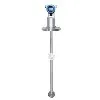
Installing a fork level switch is a crucial task that requires careful planning and execution. As a supplier of high - quality Fork Level Switches, we understand the importance of providing clear guidance on the installation process. In this blog, we will walk you through the step - by - step process of installing a fork level switch to ensure optimal performance.


Understanding the Fork Level Switch
Before starting the installation, it's essential to have a good understanding of what a Fork Level Switch is and how it works. A fork level switch is a device used to detect the presence or absence of a liquid or solid material at a specific level. It consists of two vibrating forks that are tuned to a specific frequency. When the forks come into contact with the material, the vibration frequency changes, and this change is detected by the switch, which then sends a signal to the control system.
Pre - installation Preparation
- Site Assessment:
- First, assess the installation site. Check the environment where the fork level switch will be installed. Consider factors such as temperature, humidity, and the presence of any corrosive substances. For example, if the site is in a chemical plant where corrosive gases are present, you may need to choose a fork level switch with a corrosion - resistant coating.
- Measure the available space for the installation. Ensure that there is enough room for the switch to be installed without any interference from other equipment or structures.
- Gather Tools and Materials:
- You will need a set of basic tools for the installation, including a wrench, screwdriver, and electrical tester. Make sure these tools are in good working condition.
- Check that you have all the necessary mounting hardware, such as brackets and bolts. If you are using a Compact Tuning Fork Level Switch, the mounting requirements may be different from a standard fork level switch, so refer to the product manual for specific details.
- Review the Manual:
- Carefully read the installation manual provided with the fork level switch. The manual contains important information about the installation process, electrical connections, and calibration. It will also provide safety instructions that you must follow to avoid any accidents during the installation.
Installation Steps
- Mounting the Fork Level Switch:
- Select the appropriate mounting location. The fork level switch should be installed at the desired level where the material detection is required. For a liquid application, it can be mounted on the side of a tank or vessel. For a solid material, it can be installed in a hopper or chute.
- Use the mounting brackets and bolts to secure the switch in place. Make sure the switch is level and firmly attached. If the mounting surface is uneven, you may need to use shims to ensure a proper fit.
- Electrical Connections:
- Before making any electrical connections, ensure that the power supply is turned off. This is a critical safety step to prevent electric shock.
- Connect the power cables to the appropriate terminals on the fork level switch. Follow the wiring diagram in the manual carefully. Usually, there will be terminals for power input, output signals, and grounding.
- Use wire connectors to ensure a secure and reliable connection. After making the connections, use an electrical tester to check for any short - circuits or loose connections.
- Calibration:
- Once the fork level switch is mounted and electrically connected, it needs to be calibrated. Calibration ensures that the switch accurately detects the presence or absence of the material.
- Refer to the calibration procedure in the manual. In most cases, you will need to adjust the sensitivity of the switch. This can be done by using the calibration potentiometer on the switch or through a digital interface if the switch is equipped with one.
- To calibrate, first, ensure that the forks are clean and free from any material. Then, power on the switch and let it stabilize for a few minutes. Slowly introduce the material to the forks until the switch activates. Adjust the calibration settings until the switch activates at the desired level.
Post - installation Checks
- Functionality Test:
- After calibration, perform a functionality test. Add or remove the material to the detection area and check if the switch responds correctly. The switch should send a signal to the control system when the material reaches the detection level and another signal when the material falls below the level.
- Monitor the control system for any error messages or abnormal behavior. If there are any issues, refer back to the installation manual or contact our technical support team.
- Sealing and Protection:
- Check the seals around the fork level switch to ensure they are intact. Proper sealing is important to prevent the ingress of dust, moisture, or other contaminants, which can affect the performance of the switch.
- If necessary, apply additional protective coatings or covers to the switch to enhance its durability in harsh environments.
Troubleshooting
Even with proper installation, you may encounter some issues with the fork level switch. Here are some common problems and their solutions:
- False Signals:
- False signals can occur if the switch is too sensitive or if there are vibrations or disturbances in the environment. To fix this, adjust the sensitivity settings of the switch. You can also check for any loose mounting or nearby equipment that may be causing vibrations.
- No Signal:
- If the switch does not send a signal when the material is present, check the electrical connections. Make sure all the wires are properly connected and there are no loose or damaged terminals. You may also need to check the power supply to ensure it is providing the correct voltage.
- Erratic Behavior:
- Erratic behavior can be caused by a dirty or damaged fork. Clean the forks carefully using a soft brush and a non - abrasive cleaning solution. If the forks are damaged, contact our customer service to arrange for a replacement.
Conclusion
Installing a fork level switch is a process that requires attention to detail and following the proper procedures. By understanding the installation steps, performing pre - installation preparations, and conducting post - installation checks, you can ensure that your fork level switch operates effectively and reliably.
If you are considering purchasing a fork level switch or need further assistance with installation or troubleshooting, we encourage you to contact us for a detailed discussion. Our team of experts is ready to help you find the best solution for your specific needs.
References
- Manufacturer's Installation Manual for Fork Level Switch
- Industry Standards for Level Switch Installation and Operation