

As a supplier of turbine flowmeters, I understand the importance of proper maintenance and cleaning for these precision instruments. Turbine flowmeters are widely used in various industries to measure the flow rate of liquids and gases accurately. However, over time, they can accumulate dirt, debris, and contaminants that can affect their performance and accuracy. In this blog post, I will share some tips on how to clean a turbine flowmeter effectively.
Why Cleaning is Necessary
Before we dive into the cleaning process, let's understand why cleaning a turbine flowmeter is so crucial. A dirty flowmeter can lead to several issues, including:
- Reduced Accuracy: Accumulated dirt and debris can interfere with the rotation of the turbine blades, causing inaccurate flow measurements.
- Increased Wear and Tear: Contaminants can cause abrasion and damage to the turbine blades and other internal components, reducing the lifespan of the flowmeter.
- Clogging: Over time, dirt and debris can build up and clog the flow path, restricting the flow of the fluid or gas being measured.
Regular cleaning of the turbine flowmeter can help prevent these issues and ensure its optimal performance and longevity.
Preparing for Cleaning
Before you start cleaning the turbine flowmeter, it's essential to take some precautions and gather the necessary tools and materials. Here's what you'll need:
- Safety Equipment: Wear appropriate safety gear, such as gloves and safety glasses, to protect yourself from any potential hazards.
- Cleaning Solution: Choose a cleaning solution that is compatible with the materials used in the flowmeter. Avoid using abrasive or corrosive cleaners that can damage the internal components.
- Soft Brushes and Cloths: Use soft-bristled brushes and lint-free cloths to clean the flowmeter gently. Avoid using hard brushes or abrasive materials that can scratch or damage the surfaces.
- Compressed Air: Compressed air can be used to blow out any loose dirt and debris from the flowmeter.
- Container: Prepare a clean container to hold the cleaning solution and the flowmeter during the cleaning process.
Disassembling the Turbine Flowmeter
The first step in cleaning a turbine flowmeter is to disassemble it carefully. Follow these steps:
- Turn Off the Flow: Before disassembling the flowmeter, make sure to turn off the flow of the fluid or gas being measured. This will prevent any spills or leaks during the disassembly process.
- Remove the Flowmeter from the Pipeline: Use the appropriate tools to remove the flowmeter from the pipeline. Be careful not to damage the connections or the flowmeter itself.
- Disassemble the Flowmeter: Refer to the manufacturer's instructions to disassemble the flowmeter. Typically, you'll need to remove the end caps, the turbine assembly, and any other removable components.
- Inspect the Components: Once the flowmeter is disassembled, inspect the components for any signs of damage or wear. Replace any damaged or worn-out parts as necessary.
Cleaning the Components
After disassembling the flowmeter, it's time to clean the individual components. Here's how:
- Soak the Components: Place the disassembled components in the container filled with the cleaning solution. Make sure the components are fully submerged in the solution.
- Scrub the Components: Use the soft brushes to gently scrub the components to remove any dirt, debris, or contaminants. Pay special attention to the turbine blades, the bearings, and the flow path.
- Rinse the Components: After scrubbing, rinse the components thoroughly with clean water to remove any remaining cleaning solution.
- Dry the Components: Use compressed air or a clean, lint-free cloth to dry the components completely. Make sure there is no moisture left on the components before reassembling the flowmeter.
Reassembling the Turbine Flowmeter
Once the components are clean and dry, it's time to reassemble the turbine flowmeter. Follow these steps:
- Lubricate the Bearings: Apply a small amount of lubricant to the bearings to ensure smooth rotation of the turbine blades.
- Reassemble the Components: Refer to the manufacturer's instructions to reassemble the flowmeter. Make sure to install the components in the correct order and orientation.
- Tighten the Connections: Use the appropriate tools to tighten the connections securely. Be careful not to over-tighten the connections, as this can damage the flowmeter.
- Install the Flowmeter in the Pipeline: Once the flowmeter is reassembled, install it back in the pipeline. Make sure the connections are tight and leak-free.
Testing the Cleaned Flowmeter
After reassembling the flowmeter, it's important to test it to ensure its proper functioning. Here's how:

- Turn On the Flow: Slowly turn on the flow of the fluid or gas being measured and check for any leaks or abnormal noises.
- Calibrate the Flowmeter: If necessary, calibrate the flowmeter to ensure accurate measurements. Refer to the manufacturer's instructions for the calibration procedure.
- Monitor the Performance: Monitor the performance of the flowmeter over a period of time to ensure its continued accuracy and reliability.
Conclusion
Cleaning a turbine flowmeter is an important part of its maintenance and can help ensure its optimal performance and longevity. By following the steps outlined in this blog post, you can clean your turbine flowmeter effectively and keep it in good working condition.
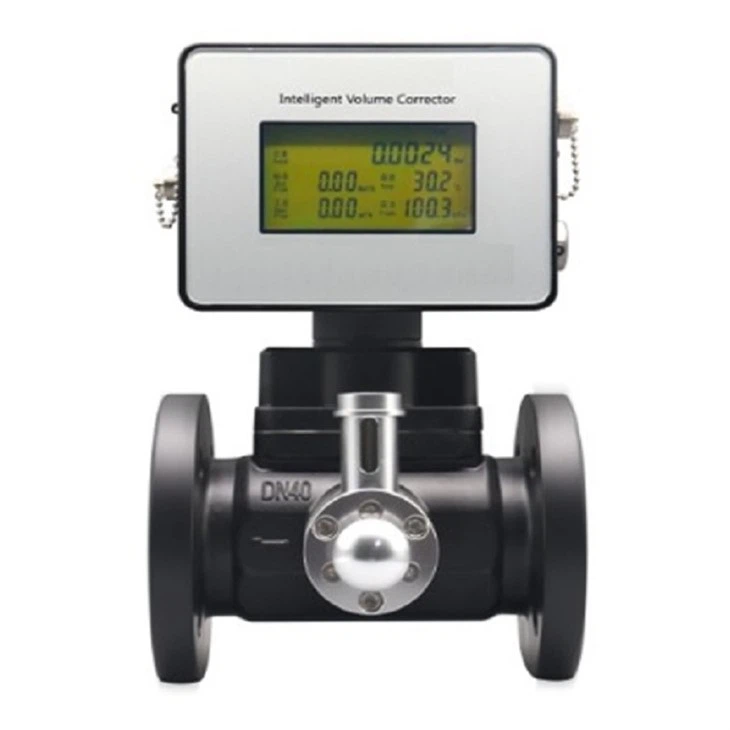
If you're in the market for a high-quality turbine flowmeter, we offer a wide range of products, including the High Accuracy Gas Turbine Flowmeter, Temperature And Pressure Compensate Turbine Flowmeter, and Natural Gas Turbine Flowmeter. Our flowmeters are designed to provide accurate and reliable flow measurements in various applications.
If you have any questions or would like to discuss your specific requirements, please feel free to contact us. We're here to help you find the right turbine flowmeter for your needs and provide you with the best possible service.
References
- Manufacturer's instructions for the turbine flowmeter
- Industry standards and best practices for flowmeter maintenance and cleaning


