As a supplier of Slight Gas Flowmeters, I often get asked about the lifespan of these devices. It's a crucial question for anyone considering investing in a gas flowmeter, as understanding its durability helps in making an informed decision and planning for long - term operations. In this blog, I'll delve into the factors that influence the longevity of a slight gas flowmeter and provide insights on how to maximize its service life.
Factors Affecting the Lifespan of a Slight Gas Flowmeter
1. Quality of Materials
The materials used in the construction of a slight gas flowmeter play a significant role in determining its lifespan. High - quality materials are more resistant to wear, corrosion, and chemical reactions. For instance, if the flowmeter is made with corrosion - resistant metals such as stainless steel, it can withstand harsh gas environments, including those with high humidity or corrosive gases. On the other hand, using sub - standard materials may lead to premature failure due to rusting or degradation of components.
2. Operating Conditions
The conditions under which the flowmeter operates have a profound impact on its durability. Extreme temperatures, high pressures, and the presence of contaminants in the gas can all take a toll on the device. For example, if the gas contains abrasive particles, these can cause erosion of the internal components of the flowmeter over time. Similarly, operating the flowmeter at temperatures outside its specified range can lead to thermal stress, which may damage the sensors or other sensitive parts.
3. Frequency of Use
How often the slight gas flowmeter is used also affects its lifespan. A flowmeter that is in continuous operation will generally experience more wear and tear compared to one that is used intermittently. Continuous use means that the components are constantly in motion or under stress, which can lead to fatigue and eventual failure. However, with proper maintenance, even a frequently used flowmeter can have a long service life.
4. Maintenance and Calibration
Regular maintenance and calibration are essential for ensuring the long - term performance and lifespan of a slight gas flowmeter. Maintenance tasks such as cleaning the sensors, checking for leaks, and replacing worn - out parts can prevent minor issues from turning into major problems. Calibration, on the other hand, ensures that the flowmeter provides accurate measurements over time. A well - maintained and calibrated flowmeter is likely to last longer and perform more reliably.
Typical Lifespan of a Slight Gas Flowmeter
On average, a high - quality slight gas flowmeter can last anywhere from 5 to 15 years. However, this is a rough estimate, and the actual lifespan can vary significantly depending on the factors mentioned above. For example, a flowmeter that is used in a clean, stable environment and is properly maintained may last closer to 15 years, while one that is exposed to harsh conditions and receives minimal maintenance may only last 5 years or less.
Extending the Lifespan of a Slight Gas Flowmeter
1. Choose the Right Flowmeter
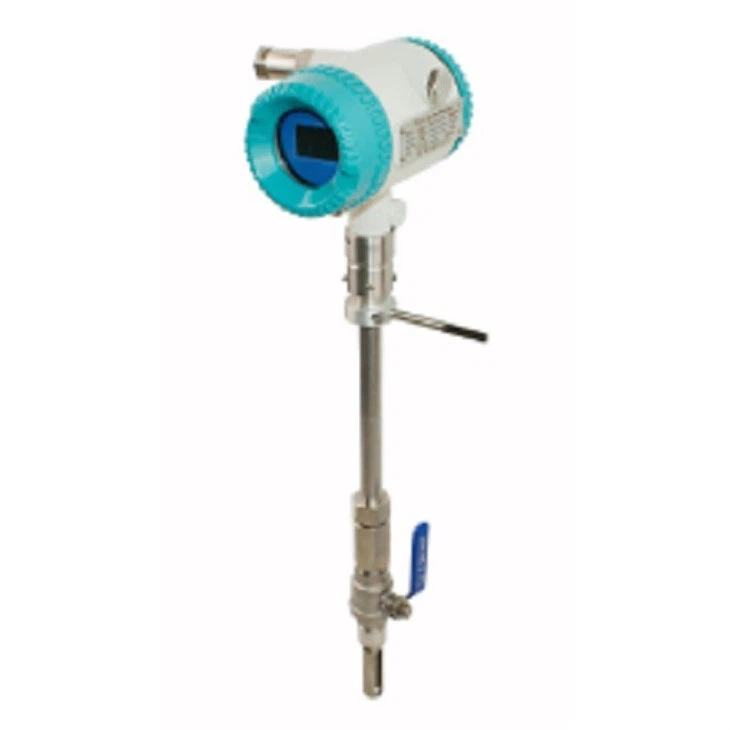
Selecting a flowmeter that is suitable for your specific application is the first step in ensuring its long - term performance. Consider factors such as the type of gas, the flow rate, the operating temperature and pressure, and the presence of contaminants. For instance, if you are measuring biogas, a Thermal Mass Gas Flowmeter For Biogas may be a better choice as it is designed to handle the unique characteristics of biogas.
2. Install the Flowmeter Correctly
Proper installation is crucial for the accurate operation and longevity of the flowmeter. Follow the manufacturer's installation instructions carefully, and ensure that the flowmeter is installed in a location where it is not exposed to excessive vibrations, temperature fluctuations, or mechanical stress. Incorrect installation can lead to inaccurate measurements and premature failure of the device.
3. Implement a Maintenance Schedule
Develop a regular maintenance schedule for your slight gas flowmeter. This should include tasks such as cleaning the sensors, checking the connections, and inspecting for any signs of wear or damage. By addressing small issues early, you can prevent them from developing into major problems that could shorten the lifespan of the flowmeter.
4. Use High - Quality Gas Filters
If the gas contains contaminants, using high - quality gas filters can help protect the flowmeter from damage. Filters can remove particles, moisture, and other impurities from the gas, reducing the risk of erosion and corrosion of the flowmeter components.
Our Slight Gas Flowmeter Offerings
At our company, we offer a range of high - quality Slight Gas Flowmeters that are designed to meet the diverse needs of our customers. Our flowmeters are constructed using top - grade materials and are built to withstand a wide range of operating conditions. We also provide comprehensive maintenance and calibration services to ensure that our customers' flowmeters perform accurately and reliably over their entire lifespan.
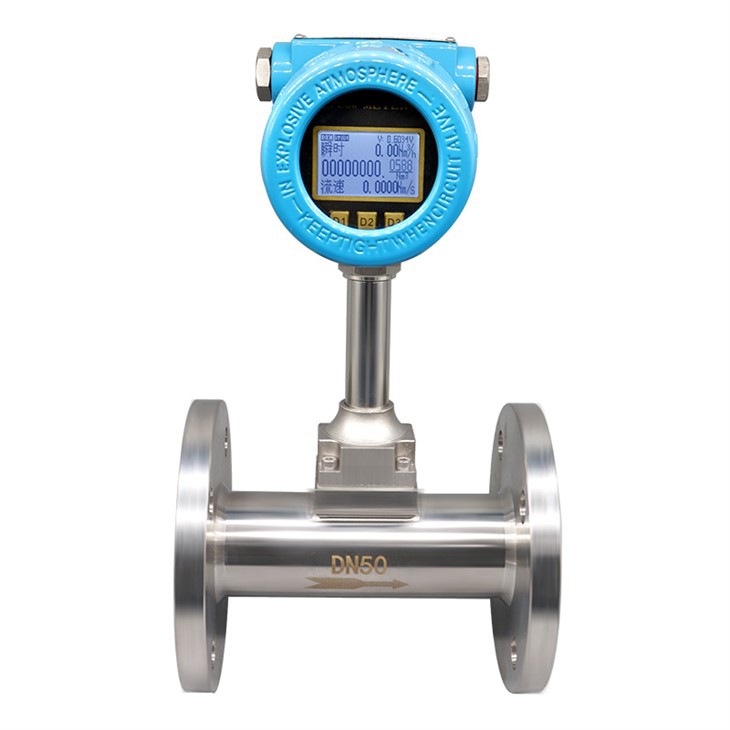
One of our popular products is the Thermal Gas Mass Flowmeter with Digit Display. This flowmeter offers high accuracy, easy installation, and a user - friendly digital display. It is suitable for a variety of applications, including industrial gas monitoring, biogas measurement, and HVAC systems.
Contact Us for Your Gas Flowmeter Needs
If you are in the market for a slight gas flowmeter or need assistance with maintaining and calibrating your existing device, we would be more than happy to help. Our team of experts has extensive experience in the field of gas flow measurement and can provide you with the best solutions for your specific requirements. Whether you need a new flowmeter for a new project or want to extend the lifespan of your current one, we have the knowledge and resources to support you.
Don't hesitate to reach out to us to discuss your needs and explore our range of products. We look forward to the opportunity to work with you and help you achieve accurate and reliable gas flow measurement for years to come.
References
- "Principles of Flow Measurement" by Richard W. Miller
- "Gas Flow Measurement Handbook" by American Gas Association
- Manufacturer's documentation for slight gas flowmeters