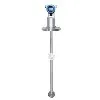
As a supplier of Roots Flowmeters, I understand the importance of proper maintenance to ensure the optimal performance and longevity of these precision instruments. In this blog post, I will delve into the various maintenance requirements for Roots Flowmeters, offering insights and tips based on my experience in the industry.
Understanding the Roots Flowmeter
Before discussing maintenance, it's essential to have a basic understanding of how a Roots Flowmeter works. A Roots Flowmeter is a positive displacement flowmeter that measures the volume of fluid or gas passing through it. It consists of two rotating lobes or rotors that intermesh and rotate in opposite directions within a housing. As the fluid or gas enters the meter, it fills the cavities between the lobes and is carried to the outlet, where it is measured.
Roots Flowmeters are commonly used in a wide range of applications, including natural gas distribution, industrial gas measurement, and chemical processing. They are known for their high accuracy, reliability, and ability to handle a wide range of flow rates and viscosities.


Regular Inspection
Regular inspection is the cornerstone of Roots Flowmeter maintenance. By conducting routine inspections, you can identify potential issues early on and take corrective action before they escalate into major problems. Here are some key areas to focus on during inspections:
- External Inspection: Check the exterior of the flowmeter for any signs of damage, such as cracks, dents, or corrosion. Inspect the mounting brackets and connections to ensure they are secure and free from leaks.
- Lubrication: Roots Flowmeters typically require lubrication to ensure smooth operation. Check the lubrication levels and condition regularly, and top up or replace the lubricant as needed. Follow the manufacturer's recommendations for the type and frequency of lubrication.
- Seals and Gaskets: Inspect the seals and gaskets for signs of wear or damage. Replace any worn or damaged seals and gaskets promptly to prevent leaks.
- Electrical Connections: If the flowmeter is equipped with electrical components, such as sensors or transmitters, check the electrical connections for tightness and integrity. Look for any signs of corrosion or damage to the wiring.
Cleaning and Calibration
Cleaning and calibration are essential maintenance tasks that help to ensure the accuracy and reliability of Roots Flowmeters. Over time, dirt, debris, and contaminants can accumulate inside the flowmeter, affecting its performance. Regular cleaning can help to remove these contaminants and restore the flowmeter to its optimal operating condition.
- Cleaning: The cleaning process will depend on the type of fluid or gas being measured and the level of contamination. In general, it is recommended to use a mild detergent and water solution to clean the flowmeter. Avoid using abrasive cleaners or solvents that could damage the internal components. After cleaning, rinse the flowmeter thoroughly with clean water and allow it to dry completely before reinstalling it.
- Calibration: Calibration is the process of adjusting the flowmeter to ensure that it provides accurate measurements. It is recommended to calibrate the flowmeter at regular intervals, as specified by the manufacturer. Calibration should be performed by a qualified technician using calibrated test equipment.
Troubleshooting
Despite regular maintenance, Roots Flowmeters may occasionally experience problems. Here are some common issues and troubleshooting tips:
- Inaccurate Measurements: If the flowmeter is providing inaccurate measurements, check for any signs of blockage or damage to the internal components. Clean or replace any clogged filters or sensors. If the problem persists, it may be necessary to recalibrate the flowmeter.
- Leakage: Leakage can occur at the seals, gaskets, or connections. Check for any signs of leakage and tighten the connections or replace the seals and gaskets as needed. If the leakage persists, it may be necessary to inspect the internal components for damage.
- Noise or Vibration: Excessive noise or vibration can indicate a problem with the flowmeter's internal components. Check for any loose or damaged parts and tighten or replace them as needed. If the problem persists, it may be necessary to consult a qualified technician.
Preventive Maintenance
In addition to regular inspection, cleaning, and calibration, preventive maintenance can help to extend the lifespan of Roots Flowmeters and reduce the risk of breakdowns. Here are some preventive maintenance measures you can take:
- Follow the Manufacturer's Recommendations: Always follow the manufacturer's recommendations for maintenance, including the frequency of inspections, cleaning, and calibration. The manufacturer's guidelines are based on extensive testing and experience, and following them will help to ensure the optimal performance and longevity of the flowmeter.
- Use High-Quality Components: When replacing parts or components, use high-quality, genuine parts that are specifically designed for your flowmeter. Using inferior or non-compatible parts can compromise the performance and reliability of the flowmeter.
- Train Your Staff: Ensure that your staff is properly trained in the operation and maintenance of Roots Flowmeters. Provide them with the necessary training and resources to perform routine maintenance tasks safely and effectively.
Conclusion
Proper maintenance is essential for the optimal performance and longevity of Roots Flowmeters. By conducting regular inspections, cleaning, and calibration, and taking preventive maintenance measures, you can ensure that your flowmeters provide accurate and reliable measurements for years to come.
If you are in the market for a Gas Roots Flowmeter, Roots Flowmeter for Gas, or Gas Flowmeter, we are here to help. Our team of experts can provide you with the latest information and advice on the best flowmeter solutions for your specific needs. Contact us today to learn more about our products and services and to discuss your requirements.
References
- Manufacturer's manuals and technical documentation
- Industry standards and best practices for flowmeter maintenance