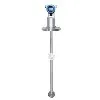
Hey there! As a supplier of the 3051DP Transmitter, I've got a thing or two to share about how to store this nifty device when it's not in use. Let's dive right in.
First off, why is proper storage so important? Well, the 3051DP Transmitter is a precision instrument. 3051DP Transmitter is designed to measure differential pressure accurately, and improper storage can mess with its performance. You wouldn't want your transmitter to give you inaccurate readings just because it was stored wrong, right?
1. Clean the Transmitter Before Storage
Before you put the 3051DP Transmitter away, make sure it's clean. Over time, dust, dirt, and other contaminants can build up on the surface and inside the transmitter. Use a soft, dry cloth to wipe down the exterior. If there are any stubborn stains, you can use a mild cleaning solution, but make sure it's non - abrasive. Avoid getting any liquid inside the transmitter, as this can damage the electronic components.
2. Protect it from Physical Damage
The 3051DP Transmitter is a delicate piece of equipment. You don't want it to get bumped, scratched, or dropped during storage. Find a storage container that's the right size for the transmitter. It should be sturdy enough to protect the device from any accidental impacts. You can also use padding, like foam or bubble wrap, inside the container to provide extra protection.
3. Control the Storage Environment
The environment where you store the transmitter matters a lot.
Temperature
Extreme temperatures can have a negative impact on the transmitter. High temperatures can cause the electronic components to overheat and malfunction, while low temperatures can make the materials brittle. The ideal temperature range for storing the 3051DP Transmitter is between -40°F and 185°F (-40°C and 85°C). Try to find a storage area where the temperature stays within this range. If you're in an area with extreme temperatures, you might need to use a temperature - controlled storage unit.
Humidity
Humidity is another factor to consider. High humidity can lead to corrosion and electrical short - circuits. Aim for a relative humidity level between 5% and 95% (non - condensing). You can use a dehumidifier in the storage area to keep the humidity in check. If you're storing the transmitter for a long time, it's a good idea to check the humidity levels regularly.
Dust and Debris
Dust and debris can find their way into the transmitter and cause problems. Store the transmitter in a clean, dust - free area. You can use a sealed storage container to prevent dust from getting in. If the storage area is prone to dust, consider using a dust cover on the container.
4. Disconnect and Store Accessories Properly
The 3051DP Transmitter usually comes with accessories like cables, mounting brackets, and manuals. Make sure to disconnect all the accessories before storage. Store the cables neatly, coiling them up without kinking. You can use cable ties to keep them organized. The mounting brackets should be stored in a separate container to prevent them from getting bent or damaged. And don't forget about the manuals! Keep them in a dry place so you can refer to them later if needed.
5. Check on the Transmitter Regularly
Even if you've stored the transmitter properly, it's a good idea to check on it every once in a while. This is especially important if you're storing it for a long time. Inspect the transmitter for any signs of damage, such as cracks, corrosion, or loose connections. If you notice any issues, address them right away.
Special Considerations for Different Types of 3051DP Transmitters
There are different types of 3051DP Transmitters, like the High Temperature Diaphragm Sealed Differential Pressure Transmitter and the DP Pressure Level Transmitter.
High Temperature Diaphragm Sealed Differential Pressure Transmitter
This type of transmitter is designed to handle high - temperature applications. When storing it, pay extra attention to the diaphragm seal. Make sure it's protected from any physical damage. Also, since it's used in high - temperature environments, check the seal for any signs of wear and tear. If you notice any issues with the seal, it might need to be replaced before you use the transmitter again.


DP Pressure Level Transmitter
The DP Pressure Level Transmitter is used for measuring liquid levels. When storing it, make sure the pressure ports are clean and free from any blockages. If there's any liquid left in the ports, it can cause corrosion over time. You can use a small amount of compressed air to blow out any debris from the ports.
Conclusion
Storing the 3051DP Transmitter properly is crucial for maintaining its performance and longevity. By following these tips, you can ensure that your transmitter is in good condition when you need to use it again.
If you're in the market for a 3051DP Transmitter or have any questions about storage or other aspects of these transmitters, don't hesitate to reach out. We're here to help you make the best choice for your needs. Whether you're a small business or a large industrial operation, we've got the right solution for you. Let's start a conversation and see how we can work together to meet your requirements.
References
- Manufacturer's manual for the 3051DP Transmitter
- Industry standards for pressure transmitter storage