As a prominent supplier of the 3051DP Transmitter, I often encounter inquiries regarding its technical features, especially the pressure relief mechanism. In this blog post, I aim to provide an in - depth understanding of the pressure relief mechanism of the 3051DP Transmitter, which is crucial for both users and those considering purchasing this product.
The Role of the 3051DP Transmitter
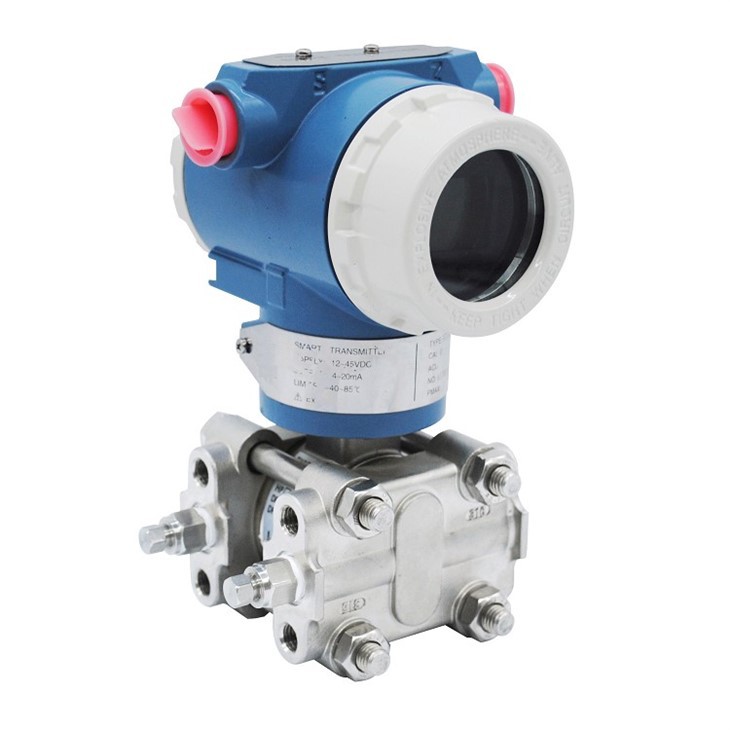
The 3051DP Transmitter, accessible through 3051DP Transmitter, is a highly advanced differential pressure transmitter used in a wide range of industrial applications. It accurately measures the differential pressure between two points and converts it into an electrical signal for further processing and control. Applications range from flow measurement in pipelines to level detection in tanks. Its reliability and precision have made it a popular choice in industries such as oil and gas, chemical processing, and power generation.
Why Pressure Relief is Necessary
In industrial environments, pressure variations are inevitable. Excessive pressure can damage the transmitter, leading to inaccurate measurements and potentially costly downtime. The pressure relief mechanism in the 3051DP Transmitter serves as a safeguard to protect the internal components from over - pressure situations. It ensures the longevity of the device and maintains its measurement accuracy under challenging conditions.

Components of the Pressure Relief Mechanism
The pressure relief mechanism of the 3051DP Transmitter consists of several key components. The first is the pressure - sensing diaphragm. This diaphragm is designed to flex in response to the differential pressure applied across it. When the pressure exceeds a certain limit, the diaphragm can reach its elastic limit. To prevent permanent deformation, the relief mechanism comes into play.
Another important component is the over - pressure protection valve. This valve is strategically placed within the transmitter housing. When the pressure reaches a pre - set threshold, the valve opens, allowing the excess pressure to be released safely. The design of this valve is critical, as it needs to respond quickly and accurately to pressure changes while maintaining a tight seal under normal operating conditions.
How the Pressure Relief Mechanism Works
Under normal operating conditions, the 3051DP Transmitter measures the differential pressure between the high - pressure and low - pressure ports. The pressure - sensing diaphragm deforms proportionally to the pressure difference, and this deformation is converted into an electrical signal by the internal sensing elements.
However, when the pressure at either port exceeds the safe operating range, the over - pressure protection valve activates. For example, if the pressure at the high - pressure port becomes too high, the valve will open, diverting the excess pressure to a safe area. This could be a vent or a pressure - absorbing chamber within the transmitter. Once the pressure returns to a normal level, the valve closes, and the transmitter resumes its normal operation.
Types of Pressure Relief in the 3051DP Transmitter
There are two main types of pressure relief in the 3051DP Transmitter: passive and active.
Passive pressure relief relies on the mechanical properties of the components. The pressure - sensing diaphragm has a certain elastic limit. When the pressure exceeds this limit, the diaphragm will flex in a way that releases some of the pressure. This is a self - regulating mechanism that does not require external power. However, it has its limitations, as it can only handle a certain amount of over - pressure before the diaphragm is damaged.
Active pressure relief, on the other hand, involves the use of electronic controls. The transmitter continuously monitors the pressure levels, and when the pressure exceeds the pre - set threshold, an electronic signal is sent to the over - pressure protection valve to open. This type of relief is more precise and can handle a wider range of over - pressure situations. It also allows for remote monitoring and adjustment of the pressure relief settings.
Advantages of the Pressure Relief Mechanism in the 3051DP Transmitter
The pressure relief mechanism in the 3051DP Transmitter offers several significant advantages. Firstly, it enhances the safety of the industrial processes. By preventing over - pressure situations, it reduces the risk of equipment failure and potential hazards to personnel.
Secondly, it improves the reliability of the measurements. A damaged transmitter due to over - pressure can provide inaccurate readings, which can lead to incorrect process control. The pressure relief mechanism ensures that the transmitter operates within its designed range, providing consistent and accurate data.
Finally, it reduces maintenance costs. By protecting the internal components from over - pressure damage, the lifespan of the transmitter is extended, and the need for frequent repairs or replacements is minimized.
Comparison with Other Transmitters
When compared to other transmitters in the market, the pressure relief mechanism of the 3051DP Transmitter stands out. Some other transmitters may have basic over - pressure protection, but they may not offer the same level of precision and reliability. For example, some transmitters may have a simple burst disc for pressure relief, which is a one - time use device. Once the burst disc ruptures, the transmitter needs to be replaced. In contrast, the 3051DP Transmitter's pressure relief mechanism is reusable, allowing for continuous operation after an over - pressure event.
The 3051 Transmitter series, of which the 3051DP is a part, is also known for its advanced technology. The use of electronic controls in the active pressure relief system provides more flexibility and better performance compared to traditional mechanical - only relief systems used in some older transmitters.
Applications in High - Temperature Environments
In high - temperature industrial environments, the pressure relief mechanism of the 3051DP Transmitter plays an even more crucial role. The High Temperature Diaphragm Sealed Differential Pressure Transmitter is designed to withstand extreme temperatures, but the pressure variations can be more severe in these conditions.
The over - pressure protection valve in the 3051DP Transmitter is designed to operate reliably at high temperatures. The materials used in the valve construction are selected for their high - temperature resistance and mechanical stability. This ensures that the pressure relief mechanism functions effectively even in harsh high - temperature environments, protecting the transmitter and maintaining accurate measurements.
Conclusion and Call to Action
In conclusion, the pressure relief mechanism of the 3051DP Transmitter is a vital feature that enhances its performance, reliability, and safety in industrial applications. Whether it's handling normal pressure variations or protecting against extreme over - pressure situations, this mechanism ensures that the transmitter operates smoothly and provides accurate measurements.
If you are in the market for a high - quality differential pressure transmitter, the 3051DP Transmitter is an excellent choice. Our company, as a trusted supplier, can provide you with detailed product information, technical support, and competitive pricing. We encourage you to reach out to us for more information and to start the procurement process. Our team of experts is ready to assist you in finding the best solution for your specific industrial needs.
References
- Emerson, Rosemount 3051 Pressure Transmitter User Manual.
- Industrial Instrumentation Handbook, Third Edition.
- Journal of Process Control, various articles on pressure transmitter technology.