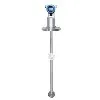
When it comes to measuring the flow rate of gases, gas flowmeters play a crucial role in various industries, including oil and gas, chemical processing, and environmental monitoring. One of the most common questions we, as a gas flowmeter supplier, receive is: "What is the maximum flow rate a gas flowmeter can measure?" In this blog post, we'll explore the factors that influence the maximum flow rate of a gas flowmeter and provide some insights into the capabilities of different types of flowmeters.
Understanding Gas Flow Rate Measurement
Before delving into the maximum flow rate a gas flowmeter can measure, it's essential to understand how gas flow rate is measured. Gas flow rate is typically measured in units such as cubic meters per hour (m³/h), cubic feet per minute (CFM), or standard liters per minute (SLM). The flow rate of a gas is determined by the volume of gas passing through a specific point in a given period.
There are several methods for measuring gas flow rate, each with its own advantages and limitations. Some of the most common types of gas flowmeters include:
- Differential Pressure Flowmeters: These flowmeters measure the pressure difference across a constriction in the flow path to determine the flow rate. Examples include orifice plates, venturi tubes, and flow nozzles.
- Turbine Flowmeters: Turbine flowmeters use a rotating turbine to measure the flow rate of the gas. The rotation speed of the turbine is proportional to the flow rate.
- Ultrasonic Flowmeters: Ultrasonic flowmeters use ultrasonic waves to measure the flow rate of the gas. They can be either transit-time or Doppler-based.
- Coriolis Flowmeters: Coriolis flowmeters measure the mass flow rate of the gas by detecting the Coriolis effect. They are highly accurate and can measure a wide range of flow rates.
- Roots Flowmeter for Gas: Roots flowmeters are positive displacement flowmeters that use two rotating lobes to measure the volume of gas passing through the meter. They are suitable for measuring high flow rates and are commonly used in industrial applications.
Factors Affecting the Maximum Flow Rate
The maximum flow rate a gas flowmeter can measure is influenced by several factors, including:
- Flowmeter Type: Different types of flowmeters have different maximum flow rate capabilities. For example, a large-diameter orifice plate flowmeter may be able to measure higher flow rates than a small-diameter turbine flowmeter.
- Flowmeter Size: The physical size of the flowmeter also affects its maximum flow rate. Larger flowmeters generally have higher maximum flow rate capabilities than smaller ones.
- Gas Properties: The properties of the gas being measured, such as density, viscosity, and temperature, can also affect the maximum flow rate. For example, a gas with a higher density will require a higher flow rate to achieve the same mass flow as a gas with a lower density.
- Operating Conditions: The operating conditions, such as pressure and temperature, can also affect the maximum flow rate. Higher pressures and temperatures can increase the density of the gas, which may reduce the maximum flow rate that the flowmeter can measure.
Maximum Flow Rate Capabilities of Different Flowmeters
Let's take a closer look at the maximum flow rate capabilities of some common types of gas flowmeters:
- Differential Pressure Flowmeters: Differential pressure flowmeters can measure a wide range of flow rates, from very low to very high. The maximum flow rate depends on the size and type of the flowmeter, as well as the pressure drop across the constriction. In general, larger orifice plates and venturi tubes can measure higher flow rates than smaller ones.
- Turbine Flowmeters: Turbine flowmeters are suitable for measuring medium to high flow rates. The maximum flow rate depends on the size and design of the turbine, as well as the properties of the gas. Turbine flowmeters can typically measure flow rates up to several thousand cubic meters per hour.
- Ultrasonic Flowmeters: Ultrasonic flowmeters can measure a wide range of flow rates, from very low to very high. The maximum flow rate depends on the size and type of the flowmeter, as well as the properties of the gas. Ultrasonic flowmeters can typically measure flow rates up to several thousand cubic meters per hour.
- Coriolis Flowmeters: Coriolis flowmeters are highly accurate and can measure a wide range of flow rates, from very low to very high. The maximum flow rate depends on the size and design of the flowmeter, as well as the properties of the gas. Coriolis flowmeters can typically measure flow rates up to several thousand cubic meters per hour.
- Gas Roots Flowmeter: Gas roots flowmeters are positive displacement flowmeters that are suitable for measuring high flow rates. They can typically measure flow rates up to several thousand cubic meters per hour, depending on the size and design of the flowmeter.
Selecting the Right Flowmeter for Your Application
When selecting a gas flowmeter for your application, it's important to consider the maximum flow rate requirements, as well as other factors such as accuracy, reliability, and cost. Here are some tips to help you select the right flowmeter:
- Determine the Maximum Flow Rate: The first step is to determine the maximum flow rate that the flowmeter needs to measure. This will help you narrow down your options and select a flowmeter that can handle the required flow rate.
- Consider the Gas Properties: The properties of the gas being measured, such as density, viscosity, and temperature, can also affect the performance of the flowmeter. Make sure to select a flowmeter that is suitable for the gas properties of your application.
- Evaluate the Accuracy Requirements: The accuracy requirements of your application will also affect the selection of the flowmeter. If high accuracy is required, you may need to choose a more expensive and sophisticated flowmeter.
- Consider the Operating Conditions: The operating conditions, such as pressure and temperature, can also affect the performance of the flowmeter. Make sure to select a flowmeter that is suitable for the operating conditions of your application.
- Compare Different Flowmeter Types: There are several types of gas flowmeters available, each with its own advantages and limitations. Compare different flowmeter types to find the one that best meets your requirements.
Conclusion
In conclusion, the maximum flow rate a gas flowmeter can measure depends on several factors, including the flowmeter type, size, gas properties, and operating conditions. Different types of flowmeters have different maximum flow rate capabilities, and it's important to select the right flowmeter for your application based on your specific requirements.
As a Gas Flowmeter supplier, we have a wide range of flowmeters available to meet the needs of different applications. Our team of experts can help you select the right flowmeter for your application and provide you with the support and service you need to ensure its proper operation.
If you have any questions or need more information about gas flowmeters, please don't hesitate to contact us. We look forward to working with you to find the best solution for your gas flow measurement needs.


References
- ISO 5167: Measurement of fluid flow by means of pressure differential devices inserted in circular cross-section conduits running full.
- API 2530: Installation of water meters and related metering equipment.
- ASME MFC-3M: Measurement of gas flow by orifice meters.