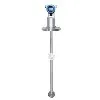
Hey there! As a supplier of High Accuracy Flowmeters, I often get asked about how long these nifty devices can last. So, let's dig into the lifespan of high accuracy flowmeters and what factors can affect it.
First off, what exactly is a High Accuracy Flowmeter? Well, it's a device that can measure the flow rate of liquids or gases with a really high level of precision. You can learn more about them High Accuracy Flowmeter. These flowmeters are used in a wide range of industries, from chemical processing to food and beverage production, and even in water treatment plants.
Now, the lifespan of a high accuracy flowmeter isn't set in stone. It can vary quite a bit depending on several factors. One of the most important factors is the type of flowmeter. There are different types out there, like Coriolis flowmeters. You can check out Coriolis Flowmeter for more details.
Coriolis flowmeters are known for their high accuracy and reliability. They work by measuring the Coriolis effect, which is a phenomenon that occurs when a fluid is flowing through a vibrating tube. These meters can last a long time, often up to 10 - 15 years or even more in some cases. That's because they have fewer moving parts compared to some other types of flowmeters, which means there's less wear and tear.
Another type that's worth mentioning is the Coriolis Mass Flowmeter for Drinking. This is specifically designed for applications where you need to measure the flow of drinking water accurately. You can find more info about it Coriolis Mass Flowmeter for Drinking. These meters also tend to have a good lifespan, usually around 10 years or so, as long as they're properly maintained.
But it's not just the type of flowmeter that matters. The environment in which the flowmeter is used plays a huge role too. If the flowmeter is exposed to harsh chemicals, extreme temperatures, or high levels of vibration, its lifespan can be significantly reduced. For example, in a chemical plant where the flowmeter is constantly in contact with corrosive substances, it might need to be replaced more frequently, maybe every 5 - 7 years.
On the other hand, if the flowmeter is used in a relatively clean and stable environment, like a laboratory setting, it can last much longer. In such cases, you might get 15 - 20 years of reliable service from it.
Maintenance is also a key factor. Regular maintenance can really extend the lifespan of a high accuracy flowmeter. This includes things like cleaning the meter, checking for any signs of damage or wear, and calibrating it regularly. Calibration is especially important because it ensures that the flowmeter is still giving accurate readings. If a flowmeter isn't calibrated properly, it might start giving inaccurate results, and that can lead to all sorts of problems in the process it's being used for.
Let's talk about some of the signs that a flowmeter might be reaching the end of its lifespan. One obvious sign is if it starts giving inconsistent or inaccurate readings. If you notice that the flow rate measurements are fluctuating more than usual, or if they're way off from what you expect, it could be a sign that the meter is having problems.
Another sign is if there are any physical signs of damage, like cracks in the housing, leaks, or excessive wear on the internal components. If you see any of these things, it's probably time to start thinking about replacing the flowmeter.


So, how can you make sure you're getting the most out of your high accuracy flowmeter? First of all, choose the right type of flowmeter for your application. Make sure it's suitable for the fluid you're measuring, the flow rate, and the environment it will be used in.
Secondly, invest in proper maintenance. This doesn't have to be overly complicated or expensive. You can set up a simple maintenance schedule and stick to it. And if you're not sure how to do the maintenance yourself, you can always hire a professional to do it for you.
Finally, keep an eye on the performance of the flowmeter. Regularly check the readings and look for any signs of problems. By doing these things, you can maximize the lifespan of your high accuracy flowmeter and get the best value for your money.
If you're in the market for a high accuracy flowmeter, or if you have any questions about the lifespan or maintenance of these devices, don't hesitate to reach out. We're here to help you make the right choice and ensure that your flow measurement needs are met. Whether you need a flowmeter for a small-scale project or a large industrial application, we've got you covered.
In conclusion, the lifespan of high accuracy flowmeters can vary widely depending on the type, the environment, and the level of maintenance. But with the right choices and proper care, you can expect these devices to serve you well for many years. So, if you're looking for a reliable and long-lasting high accuracy flowmeter, give us a shout, and we'll work with you to find the perfect solution.
References
- General knowledge about flowmeters from industry experience
- Technical documentation from flowmeter manufacturers