

Hey there! As a supplier of mass flowmeters, I often get asked about the concept of hysteresis in mass flowmeters. So, let's dive right in and break down what hysteresis is all about in the context of these nifty devices.
First off, a mass flowmeter is a crucial tool in many industries. It measures the mass flow rate of a fluid or gas passing through it. This measurement is super important for various processes, like chemical manufacturing, food and beverage production, and even in environmental monitoring.
Now, let's talk about hysteresis. In simple terms, hysteresis in a mass flowmeter refers to the difference in the meter's output when the measured variable (like the flow rate) is increasing compared to when it's decreasing. Imagine you're driving a car up a hill and then coming back down. The way your car behaves on the way up might be different from how it behaves on the way down, right? Well, it's a bit like that with a mass flowmeter.
When the flow rate is increasing, the mass flowmeter might respond in a certain way. It detects the change and starts adjusting its output accordingly. But when the flow rate starts to decrease, the meter might not follow the exact same path back. There could be a small lag or a difference in the output values. This difference is what we call hysteresis.
So, why does hysteresis matter? Well, it can have a significant impact on the accuracy of the mass flowmeter. In industries where precise measurements are critical, even a small amount of hysteresis can lead to errors in the process. For example, in a chemical plant, if the mass flowmeter has hysteresis, it might not accurately measure the amount of chemicals being mixed. This could result in an incorrect chemical reaction, leading to faulty products or even safety hazards.
There are a few factors that can cause hysteresis in a mass flowmeter. One of the main factors is the mechanical properties of the meter itself. The materials used in the construction of the flowmeter can have different behaviors when they're under stress during an increasing flow rate compared to a decreasing one. For instance, if there are springs or diaphragms in the meter, they might not return to their exact original position after being stretched or compressed.
Another factor is the fluid or gas being measured. Different fluids have different viscosities and densities, which can affect how they interact with the flowmeter. Some fluids might stick to the internal surfaces of the meter, causing a delay in the response when the flow rate changes.
As a mass flowmeter supplier, we're always working on minimizing hysteresis in our products. We use high - quality materials and advanced manufacturing techniques to reduce the mechanical effects that can cause hysteresis. We also conduct extensive testing to ensure that our flowmeters have the lowest possible hysteresis levels.
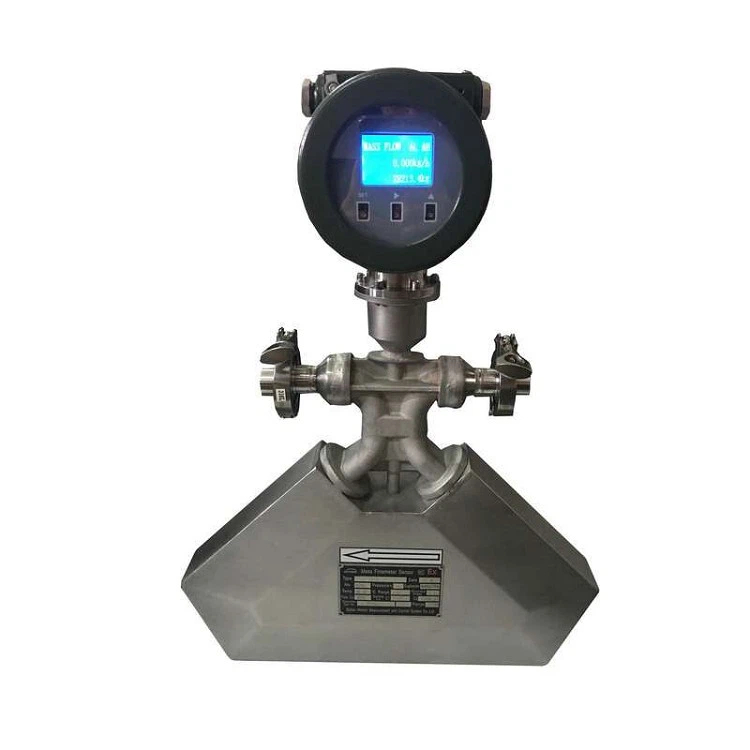
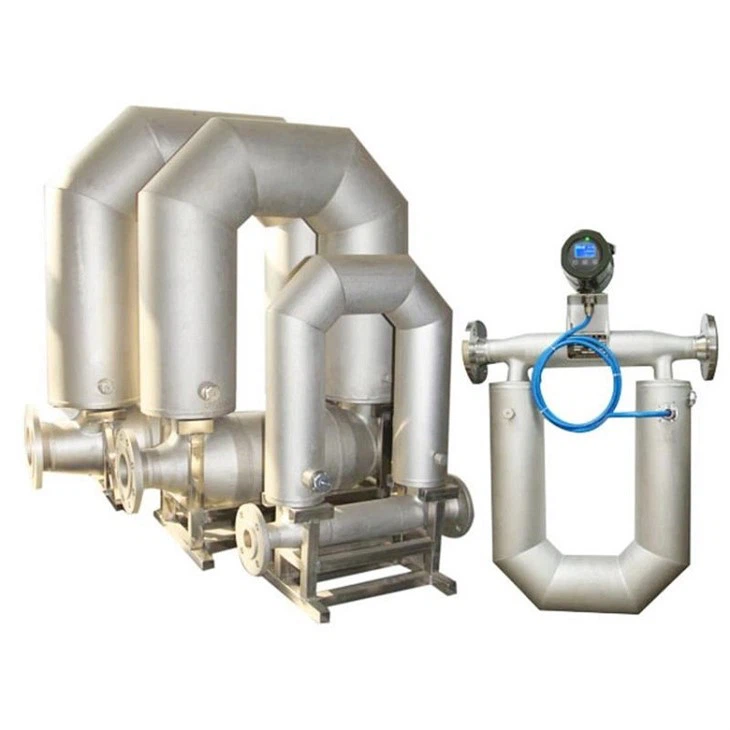
Now, let's take a look at some of the types of mass flowmeters we offer. One of our popular products is the Coriolis Mass Flowmeter for Drinking. This type of flowmeter is specifically designed for measuring the flow of drinking water or other potable liquids. Coriolis flowmeters are known for their high accuracy and low hysteresis. They work on the principle of the Coriolis effect, which is a phenomenon that occurs when a fluid is flowing through a vibrating tube. The vibration of the tube causes a phase shift in the fluid's motion, and this phase shift is directly related to the mass flow rate.
Our Coriolis Flowmeter is another great option. It can be used for a wide range of applications, from measuring the flow of gases to viscous liquids. Coriolis flowmeters are very reliable and have excellent repeatability, which means they give consistent results over time.
If you're looking for a flowmeter with the highest level of accuracy, our High Accuracy Flowmeter is the way to go. These flowmeters are engineered to have extremely low hysteresis and high precision. They're perfect for industries where every drop or molecule counts, like in the pharmaceutical or semiconductor manufacturing industries.
When you're choosing a mass flowmeter, it's important to consider the hysteresis factor. You want a meter that can give you accurate and consistent measurements, whether the flow rate is increasing or decreasing. Look for a supplier who understands the importance of minimizing hysteresis and has a track record of producing high - quality flowmeters.
As a supplier, we're always happy to help you choose the right mass flowmeter for your specific needs. We have a team of experts who can answer all your questions and provide you with detailed information about our products. Whether you're in a small business or a large industrial corporation, we can find a solution that fits your requirements.
If you're interested in learning more about our mass flowmeters or if you're ready to start a purchase, don't hesitate to get in touch. We're here to assist you every step of the way, from the initial consultation to the installation and after - sales support. We believe in building long - term relationships with our customers by providing them with top - notch products and excellent service.
In conclusion, hysteresis is an important concept to understand when it comes to mass flowmeters. It can affect the accuracy and reliability of the measurements, but with the right choice of flowmeter and a reputable supplier, you can minimize its impact. So, if you're in the market for a mass flowmeter, make sure to consider all the factors, including hysteresis, and reach out to us for the best solutions.
References
- Handbook of Flow Measurement, edited by Richard W. Miller
- Flow Measurement Engineering Handbook, by Robert W. Miller


