

Installing high accuracy flowmeters in irrigation pipes is a crucial step towards efficient water management in agricultural and landscaping applications. As a leading supplier of High Accuracy Flowmeter, I understand the importance of proper installation to ensure accurate measurement and reliable performance. In this blog post, I will share some key steps and considerations for installing high accuracy flowmeters in irrigation pipes.
Understanding the Basics of High Accuracy Flowmeters
Before diving into the installation process, it's essential to have a basic understanding of high accuracy flowmeters. These devices are designed to measure the flow rate of liquids or gases with a high degree of precision. In the context of irrigation, flowmeters help farmers and landscapers monitor and control the amount of water being delivered to crops or plants, ensuring optimal hydration while minimizing waste.
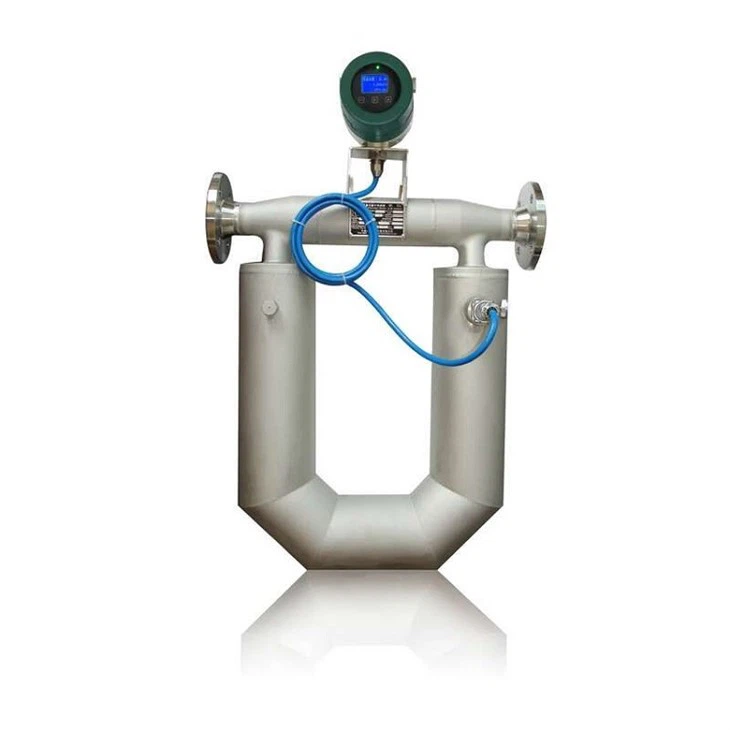
There are several types of high accuracy flowmeters available on the market, each with its own advantages and limitations. One popular type is the Coriolis Flowmeter, which measures the mass flow rate of a fluid by detecting the Coriolis effect. Coriolis flowmeters are known for their high accuracy, wide rangeability, and ability to measure the density and temperature of the fluid. Another type is the electromagnetic flowmeter, which uses Faraday's law of electromagnetic induction to measure the flow rate of conductive fluids. Electromagnetic flowmeters are suitable for a variety of applications and offer high accuracy and reliability.
Selecting the Right Flowmeter for Your Irrigation System
The first step in installing a high accuracy flowmeter is to select the right device for your irrigation system. Several factors need to be considered when making this decision, including the type of fluid being measured, the flow rate range, the pipe size, and the installation environment.
- Fluid Type: Different flowmeters are designed to measure different types of fluids. For example, Coriolis flowmeters can measure a wide range of fluids, including liquids, gases, and slurries, while electromagnetic flowmeters are suitable for conductive fluids only. Make sure to choose a flowmeter that is compatible with the fluid in your irrigation system.
- Flow Rate Range: The flow rate range of the flowmeter should match the expected flow rate in your irrigation system. If the flow rate is too low, the flowmeter may not be able to provide accurate measurements. On the other hand, if the flow rate is too high, the flowmeter may be damaged or provide inaccurate readings. Consult the manufacturer's specifications to determine the appropriate flow rate range for your application.
- Pipe Size: The pipe size of your irrigation system will also affect the selection of the flowmeter. Flowmeters are available in different sizes, and it's important to choose a device that can be installed in your existing pipes without causing significant pressure drop or flow disturbance.
- Installation Environment: The installation environment, including the temperature, pressure, and humidity, can also affect the performance of the flowmeter. Make sure to choose a flowmeter that is suitable for the conditions in your irrigation system.
Preparing for Installation
Once you have selected the right flowmeter for your irrigation system, it's time to prepare for installation. Here are some key steps to follow:
- Read the Installation Manual: Before starting the installation process, carefully read the installation manual provided by the manufacturer. The manual will provide detailed instructions on how to install the flowmeter, including the recommended tools, installation procedures, and safety precautions.
- Gather the Necessary Tools and Materials: Make sure you have all the necessary tools and materials for the installation, including wrenches, screwdrivers, pipe cutters, and sealants. You may also need to purchase additional accessories, such as mounting brackets or adapters, depending on the specific requirements of your installation.
- Shut Off the Water Supply: Before installing the flowmeter, shut off the water supply to the irrigation system to prevent any water from flowing through the pipes. This will help ensure a safe and successful installation.
- Clean the Pipes: Clean the inside of the pipes where the flowmeter will be installed to remove any dirt, debris, or rust. This will help ensure accurate measurements and prevent damage to the flowmeter.
Installing the Flowmeter
The installation process for high accuracy flowmeters may vary depending on the type of device and the specific requirements of your irrigation system. However, the following general steps can be followed:
- Mount the Flowmeter: Use the mounting brackets or adapters provided by the manufacturer to mount the flowmeter in the desired location. Make sure the flowmeter is securely mounted and aligned with the pipe.
- Connect the Pipes: Connect the flowmeter to the pipes using the appropriate fittings and sealants. Make sure the connections are tight and leak-free.
- Install the Wiring: If the flowmeter requires electrical power or signal transmission, install the wiring according to the manufacturer's instructions. Make sure the wiring is properly grounded and protected from damage.
- Calibrate the Flowmeter: Once the flowmeter is installed, calibrate it according to the manufacturer's instructions. Calibration is essential to ensure accurate measurements and reliable performance.
Testing and Commissioning
After the flowmeter is installed and calibrated, it's important to test and commission the system to ensure it is working properly. Here are some key steps to follow:
- Check for Leaks: Check all the connections and joints for leaks using a leak detector or by visually inspecting the pipes. If any leaks are found, tighten the connections or replace the sealants as necessary.
- Verify the Measurements: Use a calibrated reference flowmeter or other measurement device to verify the accuracy of the flowmeter. Compare the readings of the flowmeter with the reference device to ensure they are within the acceptable range.
- Monitor the System: Monitor the flowmeter and the irrigation system for a period of time to ensure they are operating smoothly. Check the flow rate, pressure, and other parameters regularly to detect any issues or abnormalities.
Maintenance and Troubleshooting
Proper maintenance and troubleshooting are essential to ensure the long-term performance and reliability of high accuracy flowmeters. Here are some key tips to follow:
- Follow the Maintenance Schedule: Follow the maintenance schedule provided by the manufacturer to perform regular maintenance tasks, such as cleaning the flowmeter, replacing the batteries, and calibrating the device.
- Inspect the Flowmeter Regularly: Inspect the flowmeter regularly for any signs of damage or wear. Check the wiring, connections, and sensors for any loose or damaged parts.
- Troubleshoot Any Issues: If you encounter any issues or problems with the flowmeter, refer to the troubleshooting guide provided by the manufacturer. Follow the recommended steps to diagnose and resolve the issue.
Conclusion
Installing high accuracy flowmeters in irrigation pipes is a critical step towards efficient water management in agricultural and landscaping applications. By selecting the right flowmeter, preparing for installation, following the proper installation procedures, and performing regular maintenance and troubleshooting, you can ensure accurate measurements and reliable performance of your irrigation system.
As a supplier of High Accuracy Flowmeter, I am committed to providing high-quality products and excellent customer service. If you have any questions or need assistance with the installation or operation of your flowmeter, please don't hesitate to contact us. We will be happy to help you find the right solution for your irrigation system and ensure its optimal performance.

References
- Manufacturer's installation manuals and technical specifications for high accuracy flowmeters.
- Industry standards and guidelines for the installation and operation of flowmeters in irrigation systems.
- Research articles and publications on water management and irrigation efficiency.


