

As a supplier of the 3051DP Transmitter, I often encounter inquiries from customers about the burst pressure of this device. Understanding the burst pressure is crucial for ensuring the safe and efficient operation of the transmitter in various industrial applications. In this blog post, I will delve into the concept of burst pressure, explain its significance for the 3051DP Transmitter, and provide some insights into how it affects the performance and reliability of the device.
What is Burst Pressure?
Burst pressure refers to the maximum pressure that a pressure transmitter can withstand before it fails catastrophically. When the applied pressure exceeds the burst pressure, the transmitter may rupture, leading to leakage of the process fluid, potential damage to surrounding equipment, and even posing a safety hazard to personnel. Therefore, it is essential to select a pressure transmitter with a burst pressure rating that is appropriate for the specific application.
The burst pressure is typically specified by the manufacturer as a multiple of the transmitter's rated pressure. For example, a transmitter with a rated pressure of 100 psi and a burst pressure rating of 10 times the rated pressure can withstand a maximum pressure of 1000 psi before it fails. The burst pressure rating is an important safety factor that ensures the transmitter can handle unexpected pressure spikes or transient conditions without failing.
Burst Pressure of the 3051DP Transmitter
The 3051DP Transmitter is a high-performance differential pressure transmitter that is widely used in various industries, including oil and gas, chemical, power generation, and water treatment. The burst pressure of the 3051DP Transmitter depends on several factors, including the model, range, and construction materials of the device.
The 3051DP Transmitter is available in a variety of models and ranges, each with its own burst pressure rating. The burst pressure ratings for the 3051DP Transmitter typically range from 1000 psi to 10,000 psi, depending on the specific model and range. For example, the 3051DP Transmitter with a range of 0-100 psi may have a burst pressure rating of 1000 psi, while the model with a range of 0-1000 psi may have a burst pressure rating of 10,000 psi.

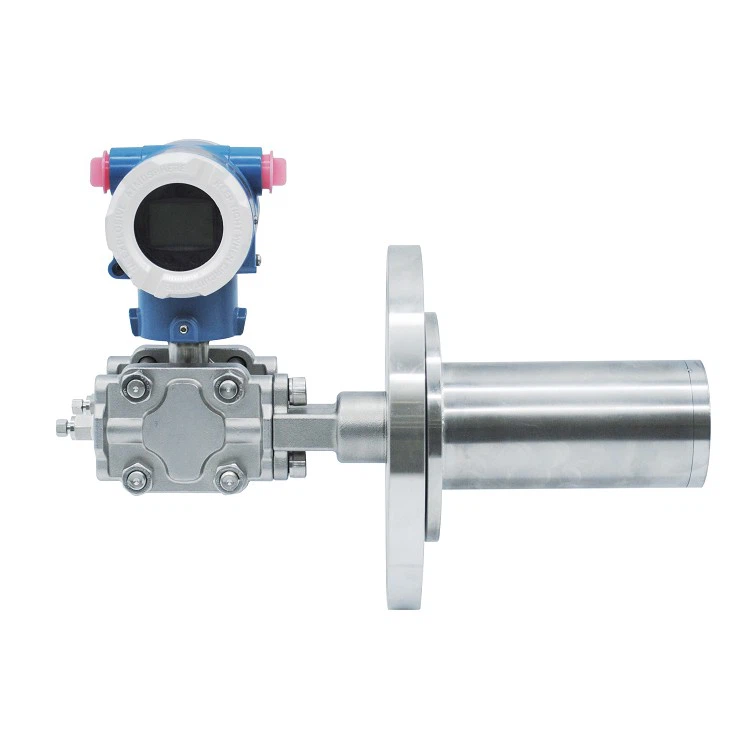
In addition to the model and range, the burst pressure of the 3051DP Transmitter also depends on the construction materials of the device. The 3051DP Transmitter is typically constructed with a stainless steel body and a diaphragm made of stainless steel or other corrosion-resistant materials. The choice of materials can affect the burst pressure rating of the transmitter, as different materials have different strength and durability characteristics.
Significance of Burst Pressure for the 3051DP Transmitter
The burst pressure is an important consideration when selecting a pressure transmitter for a specific application. It is essential to choose a transmitter with a burst pressure rating that is appropriate for the maximum pressure that the device may encounter in the application. If the burst pressure rating of the transmitter is too low, it may fail prematurely, leading to downtime, maintenance costs, and potential safety hazards. On the other hand, if the burst pressure rating of the transmitter is too high, it may be unnecessarily expensive and may not provide any additional benefits in terms of performance or reliability.
In addition to ensuring the safety and reliability of the transmitter, the burst pressure rating can also affect the accuracy and performance of the device. When the applied pressure approaches the burst pressure rating of the transmitter, the diaphragm may deform, leading to inaccurate readings and reduced performance. Therefore, it is important to operate the transmitter within its specified pressure range to ensure accurate and reliable measurements.
Factors Affecting Burst Pressure
Several factors can affect the burst pressure of the 3051DP Transmitter, including:
- Temperature: The burst pressure of the transmitter may decrease at high temperatures due to the reduced strength of the materials. Therefore, it is important to consider the operating temperature range of the application when selecting a transmitter.
- Fluid Compatibility: The burst pressure of the transmitter may be affected by the compatibility of the process fluid with the materials of the device. Some fluids may corrode or damage the diaphragm, reducing its strength and durability. Therefore, it is important to choose a transmitter with materials that are compatible with the process fluid.
- Installation: The installation of the transmitter can also affect its burst pressure rating. If the transmitter is installed incorrectly or exposed to excessive vibration or shock, it may be more likely to fail at a lower pressure. Therefore, it is important to follow the manufacturer's installation instructions carefully and ensure that the transmitter is installed in a suitable location.
How to Choose the Right Burst Pressure Rating
When choosing a 3051DP Transmitter for a specific application, it is important to consider the maximum pressure that the device may encounter in the application. This includes both the normal operating pressure and any potential pressure spikes or transient conditions that may occur. It is also important to consider the safety factor and choose a transmitter with a burst pressure rating that provides an adequate margin of safety.
In addition to the burst pressure rating, it is also important to consider other factors, such as the accuracy, reliability, and stability of the transmitter. The 3051DP Transmitter is known for its high accuracy, reliability, and stability, making it a popular choice for a wide range of applications.
Conclusion
The burst pressure is an important consideration when selecting a 3051DP Transmitter for a specific application. It is essential to choose a transmitter with a burst pressure rating that is appropriate for the maximum pressure that the device may encounter in the application. By understanding the concept of burst pressure and its significance for the 3051DP Transmitter, you can make an informed decision and ensure the safe and efficient operation of your process.
If you are interested in learning more about the 3051DP Transmitter or need assistance in selecting the right transmitter for your application, please visit our website at 3051DP Transmitter or DP Pressure Level Transmitter or 3051 Differential Pressure Transmitter. Our team of experts is available to answer your questions and provide you with the information you need to make the right choice. Contact us today to start a discussion about your requirements and explore the potential of the 3051DP Transmitter for your business.
References
- Manufacturer's datasheet for the 3051DP Transmitter.
- Industry standards and guidelines for pressure transmitter selection and installation.


