In the food and beverage industry, where product quality, safety, and consistency are of utmost importance, high accuracy flowmeters play a crucial role. These flowmeters are used to measure the flow rate of various liquids and gases during the production, processing, and packaging stages. Ensuring that high accuracy flowmeters meet strict hygienic standards is essential to prevent contamination, maintain product integrity, and comply with regulatory requirements. As a supplier of High Accuracy Flowmeter, I understand the significance of these standards and the impact they have on the industry.
Hygienic Design Requirements
One of the primary considerations for high accuracy flowmeters in the food and beverage industry is their design. A hygienic design ensures that the flowmeter can be easily cleaned and sanitized, minimizing the risk of microbial growth and product contamination. The following design features are essential for meeting hygienic standards:
Smooth Surfaces
Flowmeters should have smooth, non - porous surfaces to prevent the accumulation of food particles, bacteria, and other contaminants. Rough surfaces can provide hiding places for microorganisms, making it difficult to clean and sanitize the flowmeter effectively. For example, stainless steel is a commonly used material in flowmeter construction due to its smooth surface and corrosion resistance.
Crevice - Free Construction
Crevices and joints in the flowmeter can trap food residues and moisture, creating an ideal environment for bacterial growth. Therefore, flowmeters should be designed with a crevice - free construction. Welded joints should be smooth and flush, and any seals or gaskets should be properly installed to prevent leakage and the formation of crevices.
Easy Disassembly
To facilitate thorough cleaning and maintenance, high accuracy flowmeters should be designed for easy disassembly. Components such as sensors, measuring tubes, and connectors should be accessible and removable without the need for special tools. This allows for detailed inspection and cleaning of all internal parts of the flowmeter.
Material Selection
The choice of materials used in the construction of high accuracy flowmeters is critical for meeting hygienic standards in the food and beverage industry. The materials must be non - toxic, resistant to corrosion, and compatible with the fluids being measured.
Stainless Steel
Stainless steel is the most commonly used material for flowmeters in the food and beverage industry. It is highly resistant to corrosion, easy to clean, and meets the requirements of food contact regulations. Different grades of stainless steel, such as 304 and 316, are available, with 316 stainless steel being more resistant to corrosion in harsh environments, such as those involving acidic or alkaline fluids.
Elastomers
Elastomers are used in flowmeters for seals and gaskets. They must be food - grade and resistant to the chemicals and temperatures encountered in the food and beverage processing. Common elastomers used include EPDM (ethylene propylene diene monomer) and FKM (fluoroelastomer), which have good chemical resistance and sealing properties.
Plastics
Some flowmeters may use plastics in their construction. However, these plastics must be approved for food contact and have appropriate mechanical and chemical properties. For example, PEEK (polyether ether ketone) is a high - performance plastic that is often used in flowmeter components due to its excellent chemical resistance, high temperature resistance, and mechanical strength.
Cleaning and Sanitization
Regular cleaning and sanitization of high accuracy flowmeters are essential to maintain hygienic conditions. There are several methods available for cleaning and sanitizing flowmeters, each with its own advantages and limitations.
CIP (Clean - in - Place)
CIP is a widely used method for cleaning flowmeters in the food and beverage industry. It involves circulating cleaning solutions through the flowmeter without the need for disassembly. CIP systems typically use a combination of water, detergents, and sanitizers to remove dirt, debris, and microorganisms from the internal surfaces of the flowmeter. The cleaning solutions are heated to a specific temperature and circulated for a set period of time to ensure effective cleaning.
COP (Clean - out - of - Place)
In some cases, COP may be required for more thorough cleaning. This involves disassembling the flowmeter and cleaning its components individually. COP allows for a more detailed inspection and cleaning of hard - to - reach areas. After cleaning, the components are reassembled and sanitized before being put back into operation.
Sanitization Agents
The choice of sanitization agents is important to ensure the effectiveness of the cleaning process. Common sanitization agents used in the food and beverage industry include chlorine - based compounds, peracetic acid, and hydrogen peroxide. These agents can effectively kill a wide range of microorganisms, including bacteria, viruses, and fungi.
Regulatory Compliance
High accuracy flowmeters used in the food and beverage industry must comply with various regulatory standards. These standards are designed to ensure the safety and quality of food and beverage products.
FDA (Food and Drug Administration)
In the United States, the FDA regulates the use of flowmeters in the food and beverage industry. Flowmeters must meet the FDA's requirements for food contact materials, which specify the types of materials that can be used and the allowable levels of migration of substances from the flowmeter into the food or beverage product.
EU (European Union) Regulations
In the European Union, flowmeters must comply with the EU's food contact regulations, such as Regulation (EC) No 1935/2004. These regulations set out the general requirements for materials and articles intended to come into contact with food, including flowmeters.
3 - A Sanitary Standards
The 3 - A Sanitary Standards are a set of voluntary standards developed by the 3 - A Sanitary Standards, Inc. These standards provide guidelines for the design, construction, and testing of equipment used in the dairy, food, and beverage industries. Flowmeters that meet 3 - A Sanitary Standards are recognized as being hygienically designed and suitable for use in these industries.
Importance of High Accuracy in Hygiene
High accuracy in flow measurement is not only important for process control but also for maintaining hygienic standards. Accurate flow measurement ensures that the correct amount of cleaning and sanitizing agents is used during the cleaning process. If the flow rate is inaccurate, it may lead to under - dosing or over - dosing of these agents. Under - dosing can result in ineffective cleaning and sanitization, while over - dosing can cause damage to the flowmeter and leave residues in the product.
In addition, accurate flow measurement helps in maintaining consistent product quality. In the food and beverage industry, precise control of ingredient flow rates is crucial for ensuring the correct formulation and taste of the final product. Any deviation in flow measurement can lead to variations in product quality, which may also affect the hygienic status of the product.
Our High Accuracy Flowmeters
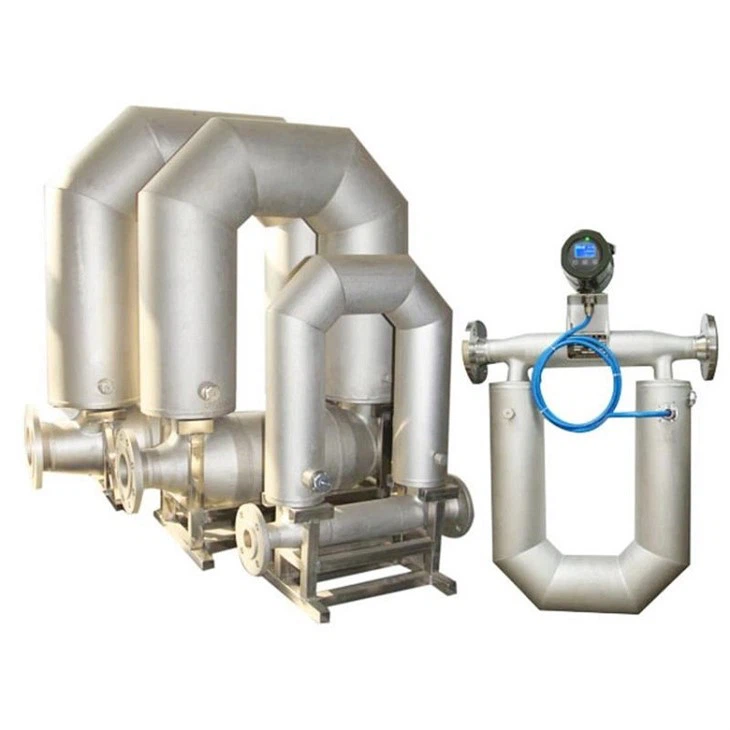
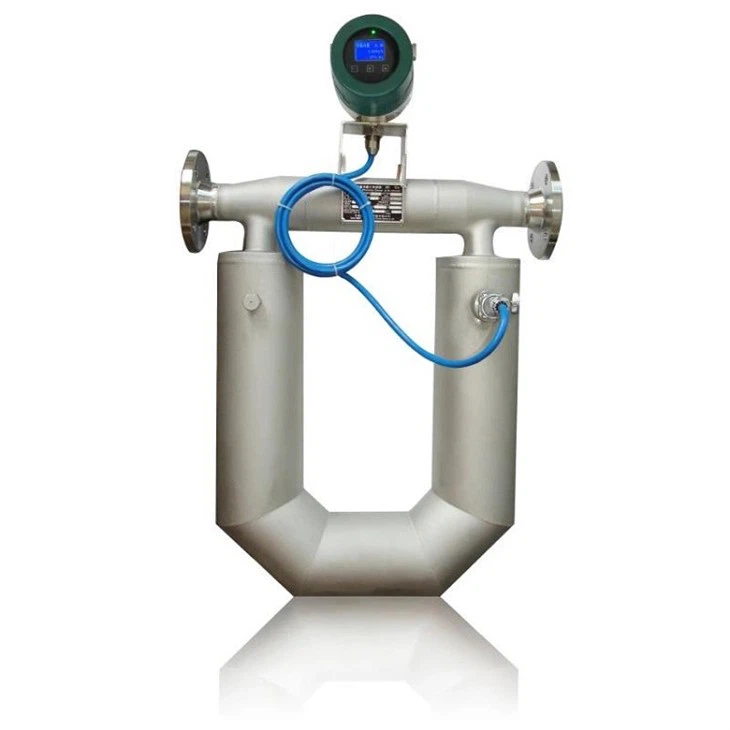
As a supplier of High Accuracy Flowmeter, we offer a range of flowmeters, including Coriolis Flowmeter and Mass Flowmeter, that are designed to meet the strict hygienic standards of the food and beverage industry. Our flowmeters are constructed with high - quality materials, such as 316 stainless steel, and feature a hygienic design with smooth surfaces and crevice - free construction.
Our flowmeters are easy to clean and can be integrated into CIP systems for efficient cleaning and sanitization. They also provide high - accuracy measurement, ensuring precise control of flow rates during the production process. We are committed to providing our customers with flowmeters that not only meet but exceed the regulatory requirements of the food and beverage industry.
Conclusion
High accuracy flowmeters in the food and beverage industry must meet strict hygienic standards to ensure product safety and quality. From design and material selection to cleaning and regulatory compliance, every aspect of the flowmeter's lifecycle is crucial. As a supplier of high - accuracy flowmeters, we understand the importance of these standards and are dedicated to providing our customers with reliable and hygienic flow measurement solutions.
If you are in the food and beverage industry and are looking for high accuracy flowmeters that meet the highest hygienic standards, we invite you to contact us for a detailed discussion about your specific requirements. Our team of experts is ready to assist you in selecting the right flowmeter for your application and provide you with the support you need for a successful implementation.
References
- "Food and Beverage Processing Equipment Design and Hygiene" by Paul S. Chen.
- FDA regulations on food contact materials.
- EU Regulation (EC) No 1935/2004 on materials and articles intended to come into contact with food.
- 3 - A Sanitary Standards documents.