Hey there! As a Coriolis flowmeter supplier, I've had my fair share of experiences dealing with different applications. Today, I want to talk about the special requirements for using a Coriolis flowmeter in liquefied gas measurement.
First off, let's understand what liquefied gas is. Liquefied gases are substances that are in a liquid state under specific pressure and temperature conditions. They're commonly used in various industries, like energy, manufacturing, and even in our daily lives. Measuring the flow of liquefied gas accurately is super important for things like billing, process control, and safety.
So, why use a Coriolis flowmeter for liquefied gas measurement? Well, Coriolis flowmeters are known for their high accuracy and ability to measure mass flow directly. Unlike some other flowmeters, they aren't affected by changes in density, viscosity, or temperature as much. This makes them a great choice for liquefied gas applications where these factors can vary a lot.
Now, let's get into the special requirements.
Temperature Considerations
Liquefied gases are usually stored and transported at very low temperatures. For example, liquefied natural gas (LNG) is typically around -162°C. This means the Coriolis flowmeter needs to be able to handle these extreme cold conditions. The materials used in the flowmeter construction need to be carefully selected. Stainless steel is a common choice because it can withstand low temperatures without becoming brittle. The electronics inside the flowmeter also need to be designed to work properly in cold environments. If the temperature is too low, the electronic components might not function correctly, leading to inaccurate measurements.
Pressure Requirements
Liquefied gases are often under high pressure to keep them in a liquid state. The Coriolis flowmeter has to be rated to handle these high - pressure conditions. The tube design of the flowmeter is crucial here. It needs to be strong enough to resist the pressure without deforming. A deformed tube can cause inaccurate flow measurements and even damage the flowmeter. We usually use thicker - walled tubes and proper sealing mechanisms to ensure the flowmeter can handle the high pressure.
Vibration and Installation
Vibration can be a big problem when measuring liquefied gas flow. Liquefied gas pipelines can experience vibrations due to the flow of the gas itself or external factors like nearby machinery. Excessive vibration can interfere with the Coriolis flowmeter's operation. To deal with this, proper installation is key. The flowmeter should be installed on a stable support structure. It's also a good idea to use vibration - damping materials around the flowmeter. For example, rubber gaskets can be used to isolate the flowmeter from external vibrations. The installation location should also be chosen carefully to avoid areas with high - vibration sources.
Compatibility with Liquefied Gas
Not all Coriolis flowmeters are compatible with every type of liquefied gas. Different liquefied gases have different chemical properties. Some gases might be corrosive, while others might react with certain materials. Before selecting a flowmeter for a specific liquefied gas application, it's important to make sure the materials of the flowmeter are compatible with the gas. For example, if you're measuring liquefied chlorine, you need a flowmeter with materials that can resist the corrosive nature of chlorine.
Calibration
Calibration is extremely important for accurate liquefied gas measurement. Since the conditions of liquefied gas can vary a lot, the flowmeter needs to be calibrated regularly. The calibration should be done using a reference standard that is as close as possible to the actual conditions of the liquefied gas being measured. This includes factors like temperature, pressure, and gas composition. A well - calibrated Coriolis flowmeter can ensure accurate and reliable measurements over time.
Safety Features
Safety is a top priority when dealing with liquefied gases. The Coriolis flowmeter should have built - in safety features. For example, it should have over - pressure protection. If the pressure inside the flowmeter exceeds a certain limit, a safety valve should open to relieve the pressure and prevent damage to the flowmeter and the surrounding equipment. It should also have leak - detection capabilities. Any leakage of liquefied gas can be extremely dangerous, so the flowmeter should be able to detect leaks early and send an alarm.
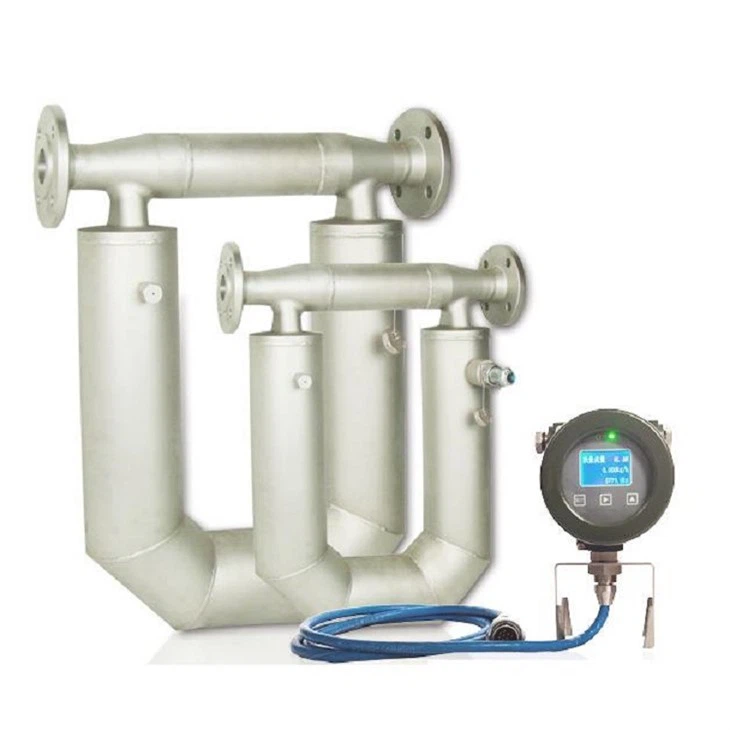
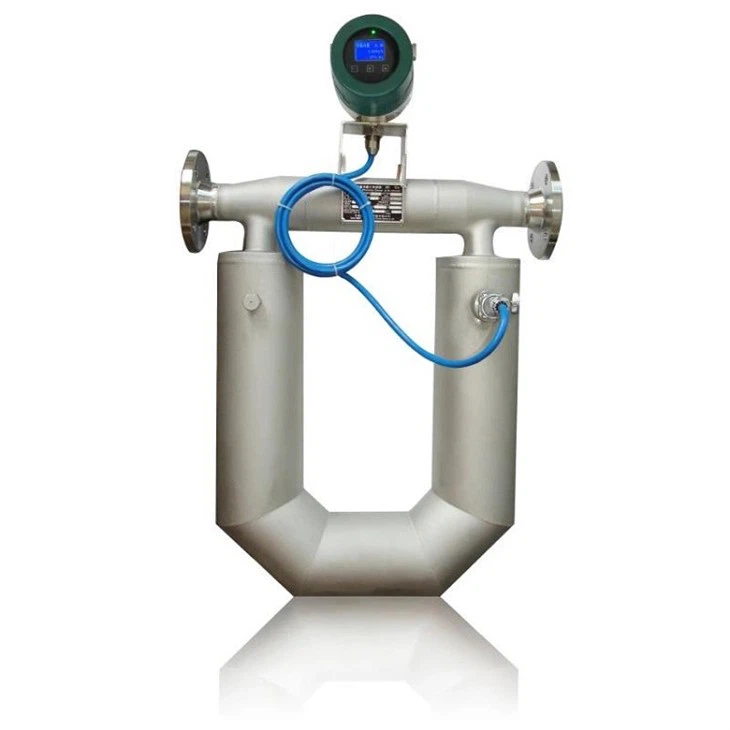
If you're in the market for a Coriolis flowmeter for liquefied gas measurement, we've got you covered. Our Coriolis Flowmeter is designed to meet all these special requirements. It's made with high - quality materials that can handle extreme temperatures and pressures. We also offer regular calibration services to ensure accurate measurements. And if you're dealing with drinking - related applications, check out our Coriolis Mass Flowmeter for Drinking. We also have a wide range of Mass Flowmeters to choose from.
If you're interested in learning more or making a purchase, don't hesitate to reach out. We're here to help you find the perfect flowmeter solution for your liquefied gas measurement needs. Just get in touch, and we can start a conversation about your requirements and how our products can meet them.
References
- "Flow Measurement Handbook: Industrial Designs and Applications" by Richard W. Miller
- "Coriolis Flow and Density Measurement" by J. W. McGhee