Hey there! As a Coriolis flowmeter supplier, I've seen firsthand how these nifty devices can revolutionize hydraulic systems. Today, I'm gonna break down the requirements for using a Coriolis flowmeter in hydraulic setups.
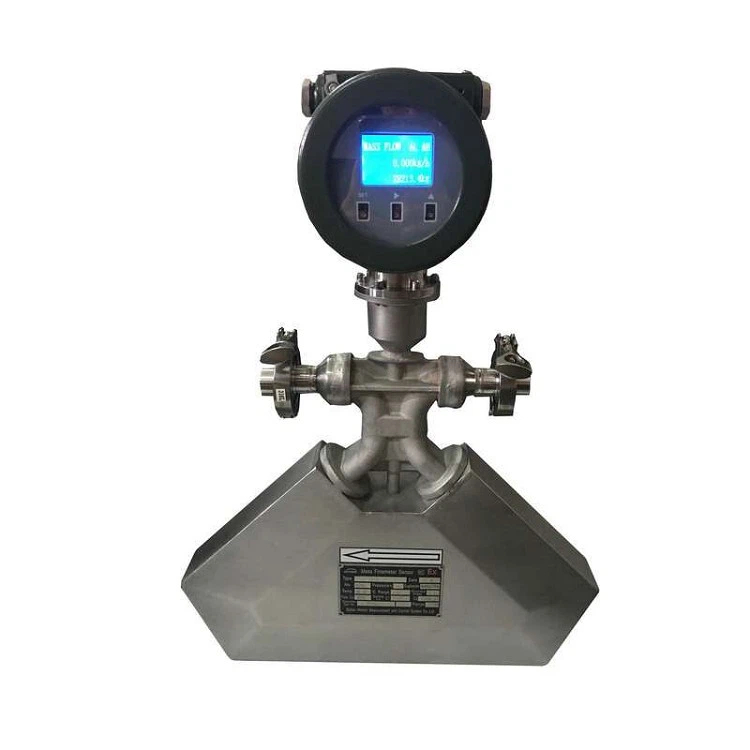
First off, let's talk about what a Coriolis flowmeter is. In simple terms, it's a device that measures the mass flow rate of a fluid. Unlike some other flowmeters that rely on measuring volume, Coriolis flowmeters give you the actual mass of the fluid flowing through. This is super important in hydraulic systems where accurate measurement of the fluid's mass can impact the system's performance. You can check out more about these on our Coriolis Flowmeter page.
Fluid Compatibility
One of the most crucial requirements for using a Coriolis flowmeter in a hydraulic system is fluid compatibility. Hydraulic systems use a variety of fluids, such as hydraulic oils, water - glycol mixtures, and synthetic fluids. The materials used in the construction of the Coriolis flowmeter must be able to withstand the chemical properties of the fluid.
For example, if you're using a highly corrosive hydraulic fluid, the wetted parts of the flowmeter (the parts that come into contact with the fluid) need to be made of corrosion - resistant materials like stainless steel or special alloys. Otherwise, the fluid can eat away at the flowmeter, leading to inaccurate measurements and eventually, a complete failure of the device.
It's also important to consider the viscosity of the fluid. Coriolis flowmeters work well with a wide range of viscosities, but extremely high - viscosity fluids can pose challenges. High - viscosity fluids may cause additional stress on the flow tube of the Coriolis flowmeter, which can affect its accuracy. So, before installing a Coriolis flowmeter, you need to know the viscosity range of the hydraulic fluid you'll be using. If you're looking for a flowmeter that can handle different viscosities with high accuracy, our High Accuracy Flowmeter might be the right choice.

Operating Conditions
The operating conditions in a hydraulic system can be quite harsh, and the Coriolis flowmeter needs to be able to handle them. Temperature is a major factor. Hydraulic systems can generate a lot of heat, and the flowmeter must be able to operate within the temperature range of the system. Most Coriolis flowmeters are designed to work within a certain temperature window, and exceeding this range can lead to errors in measurement.
Pressure is another important consideration. Hydraulic systems often operate at high pressures, and the flowmeter must be rated to handle these pressures. A flowmeter that's not designed for high - pressure applications can rupture or malfunction, which is a big no - no in a hydraulic system. Make sure to choose a Coriolis flowmeter with a pressure rating that matches or exceeds the maximum pressure in your hydraulic system. You can find more details about pressure - rated flowmeters on our Mass Flowmeter page.
Installation Requirements
Proper installation is key to getting accurate measurements from a Coriolis flowmeter in a hydraulic system. First, the flowmeter needs to be installed in a location where the fluid flow is stable. Turbulent flow can cause errors in measurement, so it's best to avoid areas near valves, pumps, or other components that can disrupt the flow.
The flowmeter should be installed in a way that allows for easy access for maintenance and calibration. You don't want to have to tear apart the entire hydraulic system just to check or adjust the flowmeter. Also, make sure to follow the manufacturer's installation instructions carefully. Incorrect installation can not only lead to inaccurate measurements but also damage the flowmeter.
Calibration and Maintenance
Calibration is an essential part of using a Coriolis flowmeter in a hydraulic system. Over time, the performance of the flowmeter can drift, and regular calibration ensures that it continues to provide accurate measurements. The calibration frequency depends on several factors, such as the operating conditions, the type of fluid, and the manufacturer's recommendations.
Maintenance is also crucial. Regularly inspect the flowmeter for any signs of damage, such as leaks or corrosion. Keep the flowmeter clean to prevent the buildup of debris, which can affect its performance. Some Coriolis flowmeters come with self - diagnostic features that can help you detect any potential issues early on.
System Integration
A Coriolis flowmeter needs to be integrated properly into the hydraulic system. This includes connecting it to the right control and monitoring equipment. You need to make sure that the flowmeter can communicate with the system's control panel or data acquisition system.
The output signals from the flowmeter should be compatible with the input requirements of the control equipment. For example, if the control panel expects a 4 - 20 mA signal, the flowmeter should be able to provide it. Also, consider the software and communication protocols that the flowmeter supports. This will ensure seamless integration and accurate data transfer within the hydraulic system.
Cost - Benefit Analysis
When considering using a Coriolis flowmeter in a hydraulic system, it's important to do a cost - benefit analysis. Coriolis flowmeters are generally more expensive than some other types of flowmeters. However, they offer high accuracy, which can lead to significant savings in the long run.
Accurate measurement of the fluid flow can help optimize the performance of the hydraulic system, reduce energy consumption, and prevent costly downtime due to equipment failure. So, while the initial investment may be higher, the benefits in terms of improved efficiency and reduced maintenance costs can make it a worthwhile investment.
Training and Support
As a Coriolis flowmeter supplier, we understand that proper training and support are essential for our customers. Operating and maintaining a Coriolis flowmeter requires some technical knowledge. That's why we offer training programs to help our customers understand how to install, calibrate, and troubleshoot the flowmeter.
We also provide ongoing support to address any issues that our customers may encounter. Whether it's a technical question or a problem with the flowmeter, our team of experts is ready to assist.
If you're thinking about using a Coriolis flowmeter in your hydraulic system, I encourage you to reach out to us. We can help you determine if a Coriolis flowmeter is the right choice for your specific needs and guide you through the selection, installation, and maintenance process. Don't hesitate to start a conversation with us about your procurement needs. Let's work together to find the best solution for your hydraulic system.
References
- "Flow Measurement Handbook: Industrial Designs and Applications" by Richard W. Miller
- "Coriolis Flowmeters: Fundamentals and Applications" by Peter Schmitt
- Manufacturer's documentation for Coriolis flowmeters