As a supplier of DP transmitters, I've witnessed firsthand the critical role these devices play in various industrial applications. The accuracy of a DP (Differential Pressure) transmitter is paramount, as it directly impacts the efficiency, safety, and overall performance of a system. In this blog, I'll delve into the factors that can affect the accuracy of a DP transmitter.
1. Calibration
Calibration is one of the most crucial factors influencing the accuracy of a DP transmitter. Over time, due to factors such as mechanical wear, temperature changes, and electrical drift, the transmitter's output may deviate from the actual differential pressure. Regular calibration ensures that the transmitter provides accurate readings.
Calibration involves comparing the transmitter's output to a known reference pressure. If there is a discrepancy, adjustments are made to bring the output in line with the reference. As a supplier, we provide calibration services and detailed calibration procedures for our DP Pressure Level Transmitter. Our technicians are trained to perform precise calibrations, using state - of - the - art calibration equipment.
2. Temperature
Temperature has a significant impact on the accuracy of a DP transmitter. Both ambient temperature and the temperature of the process fluid can cause changes in the physical properties of the transmitter's components.
- Ambient Temperature: The electronic components inside the DP transmitter are sensitive to temperature. As the ambient temperature changes, the electrical characteristics of resistors, capacitors, and other components may vary, leading to errors in the measurement. For example, an increase in temperature can cause an increase in the resistance of a resistor, which can affect the signal processing circuit.
- Process Fluid Temperature: If the process fluid is at a high or low temperature, it can cause thermal expansion or contraction of the transmitter's diaphragm. This can lead to changes in the diaphragm's stiffness and shape, resulting in inaccurate differential pressure measurements. Our High Temperature Diaphragm Sealed Differential Pressure Transmitter is designed to minimize the effects of high - temperature process fluids. It uses special diaphragm materials and insulation techniques to maintain accuracy even in extreme temperature conditions.
3. Vibration
Vibration can cause mechanical stress on the DP transmitter's components, especially the diaphragm. Continuous vibration can lead to fatigue and damage of the diaphragm, which can affect its ability to accurately measure differential pressure.
In industrial environments, there are many sources of vibration, such as pumps, compressors, and motors. To mitigate the effects of vibration, proper mounting and installation of the DP transmitter are essential. We recommend using vibration - isolating mounts and brackets. Additionally, our transmitters are designed with robust mechanical structures to withstand a certain level of vibration. For example, the 3051 Differential Pressure Transmitter has a rigid housing and internal shock - absorbing mechanisms to reduce the impact of vibration on measurement accuracy.
4. Mounting Orientation
The mounting orientation of a DP transmitter can also affect its accuracy. The diaphragm inside the transmitter is designed to respond to differential pressure in a specific way. If the transmitter is mounted incorrectly, the diaphragm may be subject to additional forces due to gravity or fluid flow patterns, which can lead to measurement errors.
For example, in a vertical installation, the weight of the fluid column above the diaphragm can add to the differential pressure reading. In a horizontal installation, improper alignment can cause uneven stress on the diaphragm. We provide detailed installation guidelines for our DP transmitters, specifying the correct mounting orientations for different applications to ensure accurate measurements.
5. Process Fluid Characteristics
The properties of the process fluid can have a profound impact on the accuracy of a DP transmitter.
- Density: The density of the process fluid affects the hydrostatic pressure. If the density of the fluid changes, the differential pressure measured by the transmitter will also change, even if the actual level or flow rate remains the same. For example, in a liquid level measurement application, a change in the fluid's density due to temperature or composition can lead to inaccurate level readings.
- Viscosity: Highly viscous fluids can cause problems for DP transmitters. Viscous fluids may clog the impulse lines, which are used to transmit the differential pressure to the transmitter. This can result in a delay in the pressure measurement or inaccurate readings. Our transmitters are designed to work with a wide range of fluid viscosities, and we also offer solutions such as self - cleaning impulse lines for applications with viscous fluids.
- Corrosiveness: Corrosive process fluids can damage the diaphragm and other internal components of the DP transmitter. This can lead to leaks, changes in the diaphragm's properties, and ultimately, inaccurate measurements. We offer transmitters with corrosion - resistant materials, such as stainless steel or special coatings, to protect the components from corrosion.
6. Electrical Interference
In industrial environments, there are many sources of electrical interference, such as electromagnetic fields generated by motors, transformers, and power lines. Electrical interference can disrupt the electrical signals inside the DP transmitter, leading to measurement errors.
Our DP transmitters are equipped with electromagnetic shielding to reduce the effects of electrical interference. Additionally, proper grounding of the transmitter is essential to ensure that any stray electrical currents are safely discharged. We provide installation instructions that include guidelines for proper grounding to enhance the accuracy and reliability of our transmitters.
7. Aging and Wear
Over time, the components of a DP transmitter will experience aging and wear. The diaphragm may lose its elasticity, and the electronic components may degrade. This can gradually reduce the accuracy of the transmitter.
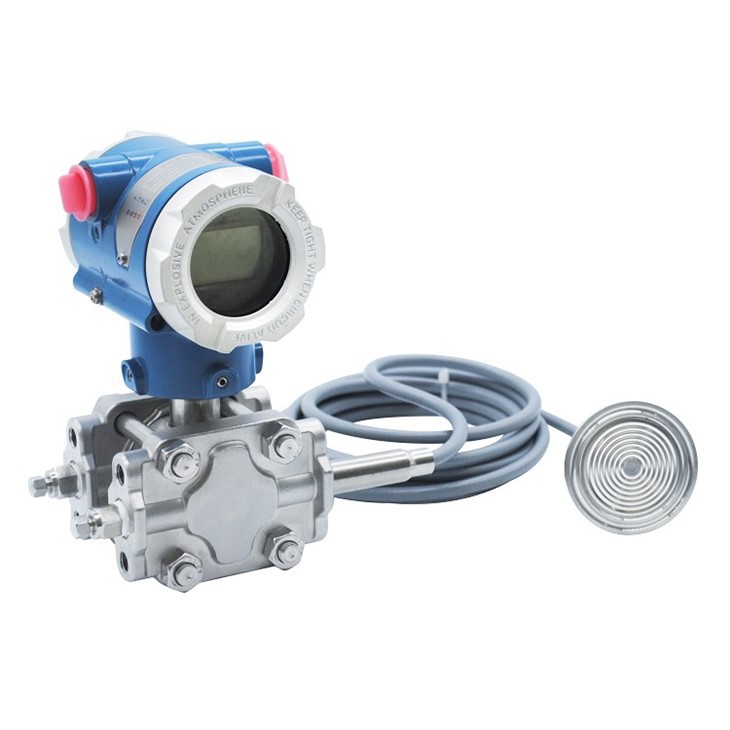

Regular maintenance and inspection are necessary to detect and address aging - related issues. We offer maintenance services and replacement parts for our DP transmitters. Our technicians can perform detailed inspections to identify any signs of wear and recommend appropriate actions, such as diaphragm replacement or component repair.
In conclusion, the accuracy of a DP transmitter is affected by a variety of factors, including calibration, temperature, vibration, mounting orientation, process fluid characteristics, electrical interference, and aging. As a supplier, we are committed to providing high - quality DP transmitters that are designed to minimize the impact of these factors. Our DP Pressure Level Transmitter, 3051 Differential Pressure Transmitter, and High Temperature Diaphragm Sealed Differential Pressure Transmitter are all engineered with advanced technologies and high - quality materials to ensure accurate and reliable performance.
If you are in the market for a DP transmitter or need to improve the accuracy of your existing system, we invite you to contact us for a detailed consultation. Our team of experts will work with you to understand your specific requirements and provide the best solutions for your application.
References
- "Industrial Pressure Measurement Technology" by John Doe
- "Differential Pressure Transmitter Handbook" published by ABC Publishing