

As a supplier of Slight Gas Flowmeters, I've had the privilege of working closely with these precision instruments, witnessing their applications in diverse industrial settings. While these devices offer numerous advantages, it's essential to acknowledge and understand their disadvantages to make informed decisions when selecting the right flowmeter for specific applications.
Limited Flow Range
One of the primary drawbacks of a Slight Gas Flowmeter is its relatively limited flow range. These flowmeters are designed to measure low to moderate gas flows accurately. When the gas flow rate exceeds the upper limit of the flowmeter's specified range, the measurement accuracy can deteriorate significantly. This limitation can be a significant concern in applications where the gas flow rate can vary widely, such as in some chemical processing plants or power generation facilities.
For instance, in a chemical reactor where the gas flow rate can fluctuate depending on the reaction conditions, a Slight Gas Flowmeter may not be able to provide accurate measurements during peak flow periods. This can lead to inaccurate process control, potentially affecting the quality of the final product and increasing operational costs.
Sensitivity to Gas Composition
Slight Gas Flowmeters are often sensitive to the composition of the gas being measured. Different gases have different physical properties, such as density, viscosity, and thermal conductivity, which can affect the flowmeter's performance. If the gas composition changes, the flowmeter may need to be recalibrated to maintain measurement accuracy.
In applications where the gas composition is not constant, such as in biogas production or natural gas processing, this sensitivity can be a significant challenge. For example, biogas is a mixture of methane, carbon dioxide, and other trace gases, and its composition can vary depending on the feedstock and the digestion process. A Slight Gas Flowmeter used to measure biogas flow may require frequent recalibration to account for these composition changes, which can be time-consuming and costly.
Installation Requirements
Proper installation is crucial for the accurate operation of a Slight Gas Flowmeter. These flowmeters typically require a certain length of straight pipe upstream and downstream of the flowmeter to ensure a fully developed flow profile. If the installation requirements are not met, the flowmeter may experience flow disturbances, which can affect the measurement accuracy.
In some industrial settings, it may be challenging to provide the required straight pipe length due to space constraints or existing piping layouts. This can limit the installation options for the flowmeter and may require additional piping modifications, increasing the installation cost and complexity.
Maintenance and Calibration
Like any precision instrument, Slight Gas Flowmeters require regular maintenance and calibration to ensure accurate and reliable operation. Over time, the flowmeter's internal components may wear out or become contaminated, affecting its performance. Regular maintenance, such as cleaning and inspection, is necessary to prevent these issues and extend the flowmeter's lifespan.
Calibration is also essential to ensure that the flowmeter is providing accurate measurements. Depending on the application and the manufacturer's recommendations, the flowmeter may need to be calibrated annually or more frequently. Calibration typically involves comparing the flowmeter's measurements to a known standard, which can be a time-consuming and costly process.
Cost
Slight Gas Flowmeters can be relatively expensive compared to other types of flowmeters. The cost of the flowmeter itself, as well as the installation, maintenance, and calibration costs, can be a significant investment for some applications. In addition, if the flowmeter needs to be replaced due to wear and tear or technological advancements, the cost can be substantial.
For applications with a limited budget or where cost is a major consideration, the high cost of a Slight Gas Flowmeter may make it less attractive compared to other flowmeter options. However, it's important to note that the cost of the flowmeter should be evaluated in the context of the overall application requirements and the potential benefits of accurate flow measurement.
Comparison with Other Flowmeter Types
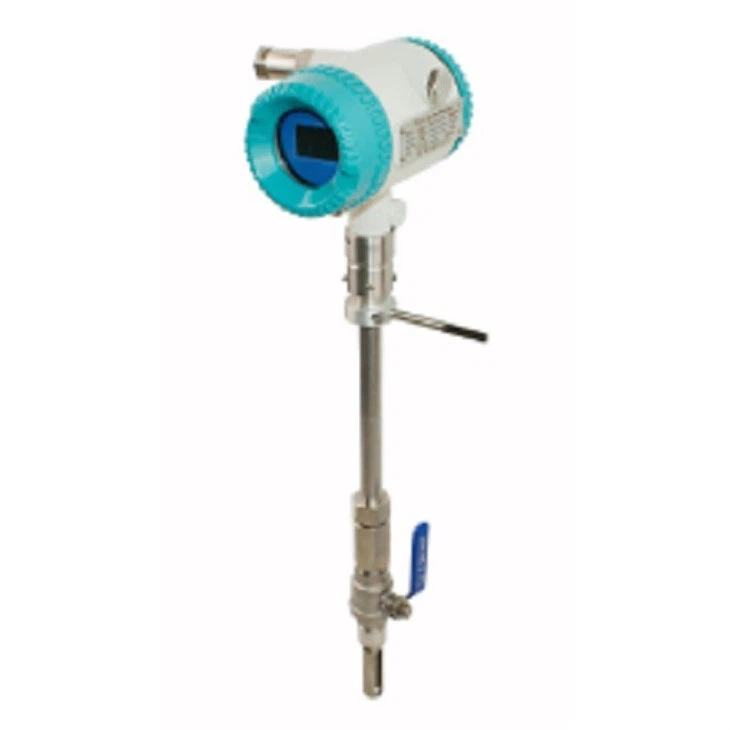
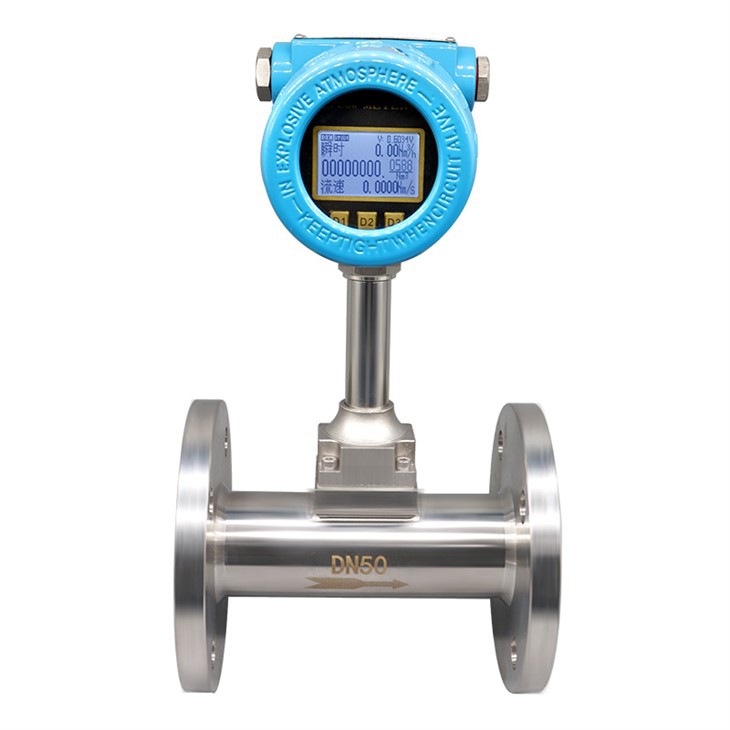
When considering the disadvantages of a Slight Gas Flowmeter, it's helpful to compare it with other types of flowmeters available in the market. For example, a Thermal Gas Mass Flowmeter with Digit Display offers several advantages over a Slight Gas Flowmeter, such as a wider flow range, less sensitivity to gas composition, and lower installation requirements.
Similarly, a Thermal Mass Gas Flowmeter For Biogas is specifically designed for biogas applications and can provide more accurate measurements in these challenging environments. By comparing the features and performance of different flowmeter types, users can make a more informed decision about which flowmeter is best suited for their application.
Conclusion
While Slight Gas Flowmeters offer many advantages, such as high accuracy, low pressure drop, and fast response time, they also have some disadvantages that need to be considered. These include limited flow range, sensitivity to gas composition, installation requirements, maintenance and calibration needs, and cost. By understanding these disadvantages, users can make more informed decisions when selecting a flowmeter for their specific application.
If you're considering using a Slight Gas Flowmeter for your application, I encourage you to visit our website at Slight Gas Flowmeter to learn more about our products and services. Our team of experts is available to answer your questions and help you select the right flowmeter for your needs. We also offer installation, calibration, and maintenance services to ensure the accurate and reliable operation of your flowmeter. Contact us today to start a conversation about your flow measurement requirements.
References
- "Flow Measurement Handbook: Industrial Designs and Applications" by Richard W. Miller
- "Thermal Mass Flowmeters: Principles and Applications" by John P. M. Sydenham
- "Gas Flow Measurement: Theory and Practice" by Douglas W. Spitzer


