

Hey there! I'm a supplier of mass flowmeters, and today I want to chat about the calibration standards for these nifty devices. Mass flowmeters are super important in various industries, from chemical processing to food and beverage production. They help ensure accurate measurement of the mass flow rate of fluids or gases, which is crucial for quality control, process optimization, and compliance with regulations.
First off, let's understand why calibration is so important. Calibration is like giving your mass flowmeter a health check-up. It ensures that the readings it provides are accurate and reliable. Over time, factors like wear and tear, changes in environmental conditions, and even the nature of the fluid or gas being measured can affect the performance of a mass flowmeter. So, regular calibration is a must to keep things running smoothly.
One of the most common calibration standards for mass flowmeters is traceability to national or international standards. This means that the calibration process is linked to a recognized standard, like those set by the National Institute of Standards and Technology (NIST) in the United States or the International System of Units (SI). When a mass flowmeter is calibrated to these standards, you can have confidence in the accuracy of its measurements.
There are different methods for calibrating mass flowmeters. One popular method is the gravimetric method. In this method, the mass of the fluid or gas flowing through the meter is measured directly using a balance. The meter is then adjusted until its readings match the known mass measurements. This method is highly accurate but can be time-consuming and requires specialized equipment.
Another common method is the volumetric method. Here, the volume of the fluid or gas is measured, and then the mass is calculated based on its density. This method is often used when dealing with fluids or gases of known density. It's relatively simple and cost-effective but may not be as accurate as the gravimetric method.
Now, let's talk about some of the specific calibration standards for different types of mass flowmeters. For example, Coriolis Flowmeter work on the principle of the Coriolis effect. These meters are known for their high accuracy and ability to measure mass flow directly. When calibrating a Coriolis flowmeter, the calibration standard typically involves checking the meter's response to different flow rates and densities. The meter is usually calibrated using a reference flow meter or a calibration rig that can simulate different flow conditions.
High Accuracy Flowmeter are designed to provide extremely precise measurements. These meters often have strict calibration requirements to maintain their high level of accuracy. The calibration process may involve multiple points of calibration, where the meter is tested at different flow rates and pressures. This ensures that the meter provides accurate readings across a wide range of operating conditions.
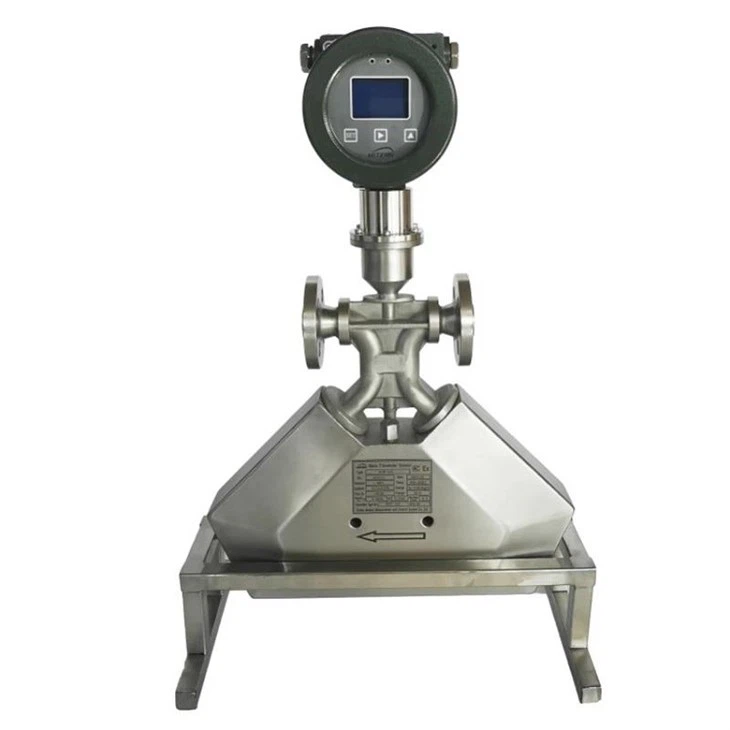
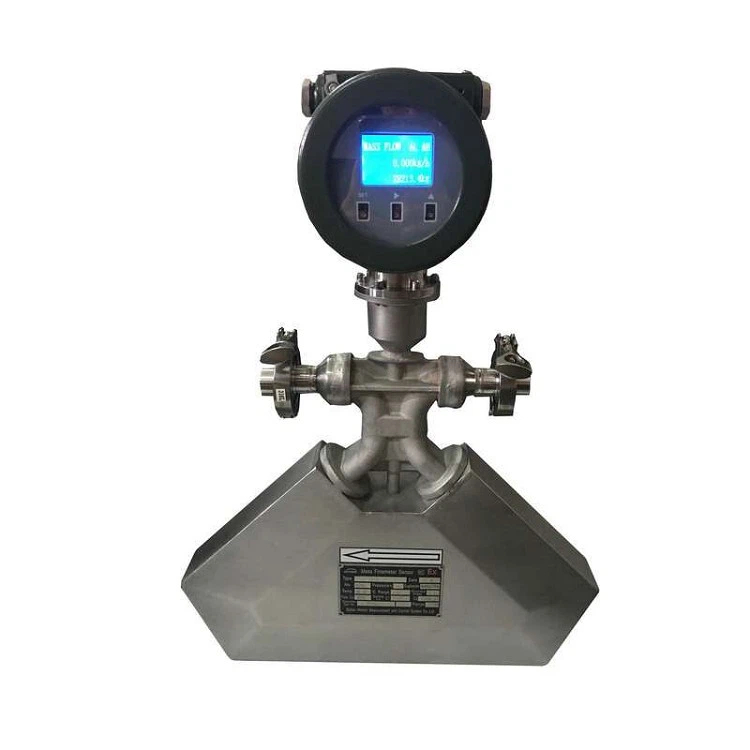
Coriolis Mass Flowmeter for Drinking are used in the food and beverage industry to measure the flow of drinking water and other beverages. These meters need to meet strict hygiene and safety standards in addition to accuracy requirements. The calibration process for these meters may include testing for factors like cleanliness, resistance to corrosion, and compliance with food safety regulations.
In addition to these standards, there are also industry-specific calibration requirements. For example, in the pharmaceutical industry, mass flowmeters used in the production of drugs need to meet strict quality control standards. The calibration process may involve validation procedures to ensure that the meter is suitable for use in a pharmaceutical manufacturing environment.
So, how often should you calibrate your mass flowmeter? Well, it depends on several factors, such as the type of meter, the application, and the operating conditions. In general, it's recommended to calibrate your mass flowmeter at least once a year. However, if the meter is used in a critical application or is exposed to harsh conditions, more frequent calibration may be necessary.
As a mass flowmeter supplier, I understand the importance of providing accurate and reliable meters. That's why we ensure that all our mass flowmeters are calibrated to the highest standards before they leave our factory. We also offer calibration services to our customers to help them maintain the accuracy of their meters over time.
If you're in the market for a mass flowmeter or need calibration services, I'd love to chat with you. Whether you're looking for a high-accuracy flowmeter for a critical application or a Coriolis mass flowmeter for your drinking water production, we've got you covered. Just reach out to us, and we'll work with you to find the best solution for your needs.
In conclusion, calibration standards for mass flowmeters are essential for ensuring accurate and reliable measurements. By understanding these standards and following the recommended calibration procedures, you can ensure that your mass flowmeter performs at its best. So, if you have any questions or need more information, don't hesitate to get in touch. Let's work together to keep your processes running smoothly and your measurements accurate.
References
- NIST Handbook 44 - Specifications, Tolerances, and Other Technical Requirements for Weighing and Measuring Devices
- ISO 17025:2017 - General requirements for the competence of testing and calibration laboratories


