Hey there! As a supplier of High Accuracy Flowmeters, I've seen my fair share of flowmeter malfunctions. And let me tell you, it can be a real headache when these precision instruments start acting up. But don't worry, I'm here to walk you through how to troubleshoot a high accuracy flowmeter when it malfunctions.
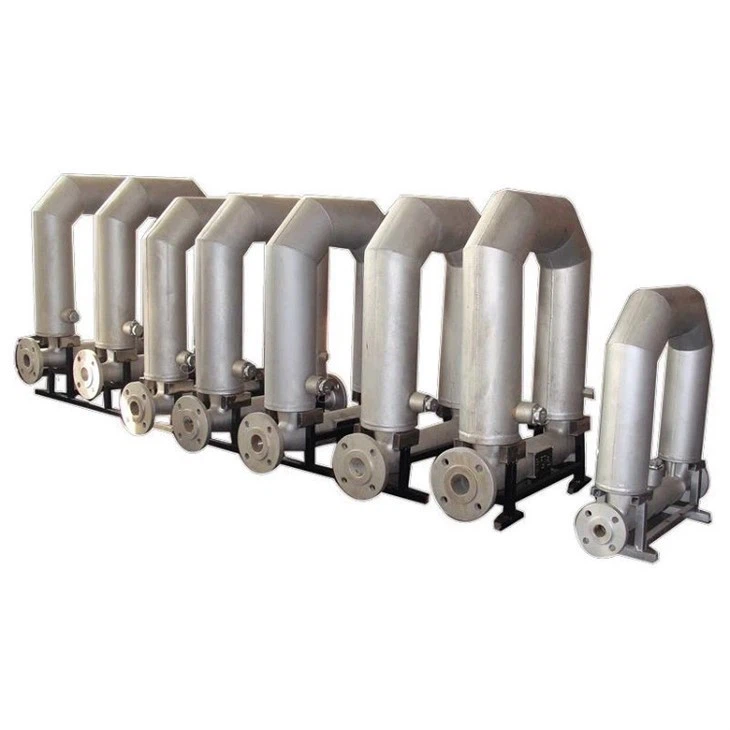
First off, let's understand what a high accuracy flowmeter is. A High Accuracy Flowmeter is designed to measure the flow rate of fluids or gases with extreme precision. This is crucial in industries where accurate flow measurement can mean the difference between a successful operation and a costly mistake. There are different types of high accuracy flowmeters, like the Mass Flowmeter and the Coriolis Flowmeter, each with its own unique working principles and applications.
When your high accuracy flowmeter starts showing signs of malfunction, the first step is to do a visual inspection. Check for any obvious physical damage to the flowmeter. This could include cracks in the housing, loose connections, or signs of corrosion. Sometimes, a simple loose wire or a damaged cable can cause the flowmeter to give inaccurate readings. Make sure all the connections are tight and secure, and that there are no visible signs of wear and tear.
Next, look at the installation of the flowmeter. Is it installed correctly according to the manufacturer's guidelines? Incorrect installation can lead to a variety of problems. For example, if the flowmeter is not installed in a straight section of pipe as required, it can cause turbulence in the flow, which will affect the accuracy of the measurements. Also, check if the flowmeter is installed at the right orientation. Some flowmeters are designed to work in a specific position, and installing them incorrectly can lead to malfunctions.
Another important thing to check is the fluid or gas that is flowing through the flowmeter. The properties of the fluid or gas can have a big impact on the performance of the flowmeter. For instance, if the fluid contains a lot of impurities or solids, it can clog the flowmeter and cause it to malfunction. Check the fluid's viscosity, temperature, and pressure. If these parameters are outside the recommended range for the flowmeter, it can lead to inaccurate readings or even damage the flowmeter.
Now, let's talk about the electrical aspects of the flowmeter. Check the power supply to the flowmeter. Make sure it is getting the correct voltage and that there are no power fluctuations. A power surge or a low voltage can cause the flowmeter to behave erratically. Also, check the signal output of the flowmeter. If the signal is weak or unstable, it could indicate a problem with the electronics inside the flowmeter. You can use a multimeter to test the voltage and current of the signal output.
If you've done all these checks and still can't figure out what's wrong with the flowmeter, it might be time to do some diagnostic testing. Most high accuracy flowmeters come with built - in diagnostic features that can help you identify the problem. Refer to the user manual to learn how to access and use these diagnostic tools. Some flowmeters can perform self - tests and provide error codes that can give you a clue about what's going wrong.
In some cases, the problem might be with the calibration of the flowmeter. Over time, the flowmeter can drift out of calibration, which will result in inaccurate readings. You should regularly calibrate your flowmeter according to the manufacturer's recommendations. If you suspect that the flowmeter is out of calibration, you can send it back to the manufacturer or a certified calibration laboratory for recalibration.
It's also a good idea to keep a maintenance log for your flowmeter. Record all the maintenance activities, including visual inspections, installation checks, and calibration dates. This will help you keep track of the flowmeter's performance over time and can be useful in identifying any recurring problems.
Now, if you're still having trouble troubleshooting your high accuracy flowmeter or if you're in the market for a new one, don't hesitate to reach out. As a trusted supplier of high accuracy flowmeters, we have a team of experts who can provide you with the support and guidance you need. Whether it's helping you choose the right flowmeter for your application or assisting you with troubleshooting, we're here to help.
In conclusion, troubleshooting a high accuracy flowmeter when it malfunctions requires a systematic approach. Start with a visual inspection, check the installation and the fluid properties, look into the electrical aspects, and use the diagnostic tools if necessary. And remember, regular maintenance and calibration are key to keeping your flowmeter in good working condition.
If you're interested in learning more about our high accuracy flowmeters or if you have any questions about troubleshooting, feel free to contact us. We're always happy to have a chat and discuss your needs.
References:

- Manufacturer's manuals for high accuracy flowmeters
- Industry standards and guidelines for flowmeter installation and maintenance
- Technical papers on flow measurement and flowmeter troubleshooting