Hey there! As a supplier of the 3051 Transmitter, I know how crucial it is to store these devices properly. In this blog, I'll share some tips on how to do just that.
First off, let's understand what the 3051 Transmitter is. It's a high - quality 3051 Differential Pressure Transmitter that's widely used in various industries to measure differential pressure accurately. These transmitters are pretty smart, like the Smart Differential Pressure Transmitter 4 - 20mA, and can handle a lot of tough jobs.
Temperature and Humidity
One of the most important factors in storing the 3051 Transmitter is the temperature. These transmitters are designed to work within a certain temperature range, and the same goes for storage. You should keep them in an environment where the temperature is between -40°F and 185°F (-40°C and 85°C). Extreme temperatures can mess with the internal components of the transmitter. For example, if it's too hot, the electronic parts might overheat and get damaged. On the other hand, if it's too cold, the materials might become brittle and break.
Humidity is another big deal. High humidity can cause corrosion on the metal parts of the transmitter. You want to store the transmitter in a place where the relative humidity is between 0% and 100% non - condensing. That means there shouldn't be any water droplets forming on the device. If you live in a really humid area, you might want to use a dehumidifier in the storage room.
Clean and Dry Storage Space
The storage space itself needs to be clean and dry. Dust and dirt can get into the transmitter and cause problems. It can clog the small openings and interfere with the sensors. So, make sure the storage area is regularly cleaned. You can use a soft, dry cloth to wipe down the outside of the transmitter before storing it.
It's also a good idea to keep the transmitter in a sealed container if possible. This will protect it from dust and other contaminants. You can use a plastic container or a special storage case designed for electronic devices. Just make sure it's big enough for the transmitter and any accessories that come with it.
Protection from Physical Damage
The 3051 Transmitter is a delicate piece of equipment, so you need to protect it from physical damage. Don't stack heavy objects on top of it. If you're storing multiple transmitters, make sure they're not touching each other in a way that could cause scratches or dents. You can use foam padding or dividers to separate them.
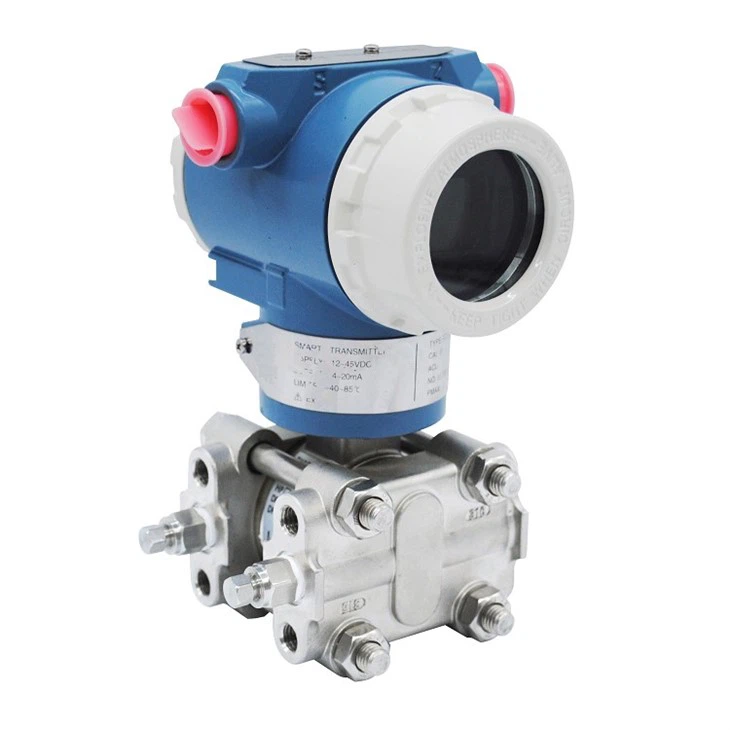

When moving the transmitter, be careful. Don't drop it or hit it against hard surfaces. Even a small impact can damage the internal components. If you need to transport the transmitter, use a proper shipping box with plenty of cushioning material.
Electrical Isolation
It's important to keep the transmitter electrically isolated during storage. Make sure all the power connections are disconnected. This will prevent any electrical shorts or damage that could occur if there's a power surge or other electrical issue in the storage area.
If you're storing the transmitter for a long time, you might want to remove the batteries (if it has any). Batteries can leak over time and damage the transmitter. Store the batteries separately in a cool, dry place.
Documentation and Labeling
Keep all the documentation that comes with the 3051 Transmitter. This includes the user manual, calibration certificates, and any other important papers. You might need this information later for maintenance or troubleshooting.
Label the storage container or the area where you're keeping the transmitter. Write down the model number, serial number, and the date of storage. This will make it easier to find the transmitter when you need it and also help you keep track of how long it's been in storage.
Regular Inspections
Even when the transmitter is in storage, you should do regular inspections. Check for any signs of damage, such as cracks, corrosion, or loose parts. If you notice any problems, address them right away. This will help ensure that the transmitter is in good working condition when you take it out of storage.
You can also perform some basic functional tests on the transmitter during these inspections. For example, if it has a display, check to see if it lights up properly. But be careful not to do anything that could damage the device.
Compatibility with Other Equipment
If you're storing the 3051 Transmitter along with other equipment, make sure they're compatible. Some chemicals or substances from other devices might react with the transmitter and cause damage. For example, if you're storing it near a chemical container, the fumes from the chemicals could corrode the transmitter.
Stock Rotation
If you have a large inventory of 3051 Transmitters, it's a good idea to practice stock rotation. This means using the oldest transmitters first. This helps prevent the transmitters from sitting in storage for too long, which could increase the risk of damage.
Why Proper Storage Matters
Proper storage of the 3051 Transmitter is not just about keeping it in good condition. It also affects its performance when you start using it again. A well - stored transmitter will give you accurate readings and last longer. On the other hand, a poorly stored transmitter might give inaccurate results or break down quickly.
So, if you're in the market for a DP Transmitter like the 3051, and you want to make sure it lasts, proper storage is key. And as a supplier, I can tell you that following these storage tips will save you a lot of headaches in the long run.
If you're interested in purchasing the 3051 Transmitter or have any questions about storage or usage, feel free to reach out. We're here to help you make the most of these great transmitters.
References
- Manufacturer's user manual for the 3051 Transmitter
- Industry standards for electronic device storage