

As a seasoned supplier of DP Type Density Meters, I understand the importance of proper storage when these sophisticated instruments are not in use. Incorrect storage can lead to damages, inaccurate readings, and a shortened lifespan of the device. In this blog, I will share some valuable insights on how to store a DP Type Density Meter to ensure its optimal performance and longevity.
Understanding the DP Type Density Meter
Before delving into the storage aspects, it is essential to have a basic understanding of the DP Type Density Meter. These meters work on the principle of differential pressure measurement to determine the density of a liquid or a flowing fluid. They are widely used in various industries such as petrochemical, food and beverage, and pharmaceutical, thanks to their high accuracy and reliability.
There are different types of DP Type Density Meters available in the market, including the Liquid Density Meter, Fork Type Density Meter, and Top Mounted Online Density Meter. Each type has its unique features and applications, but the general guidelines for storage remain similar.
Pre - Storage Preparation
The first step in proper storage is to ensure that the density meter is in a clean and dry condition. Any residual substances inside the meter can cause corrosion or blockages over time.
- Cleaning: Thoroughly clean the meter according to the manufacturer's instructions. Use appropriate cleaning agents that are compatible with the materials of the meter. For example, if the meter has a stainless - steel body, a mild detergent and a soft cloth can be used to wipe the exterior. For the internal parts, flush the meter with a suitable cleaning solution to remove any remaining fluid.
- Drying: After cleaning, allow the meter to dry completely. This can be done by leaving it in a well - ventilated area for a sufficient amount of time. Ensure that there is no moisture left inside the meter, as it can lead to oxidation and electrical malfunctions.
- Inspection: Conduct a final inspection of the meter before storage. Check for any visible damages such as cracks, dents, or loose connections. Tighten any loose screws or fittings and replace any damaged parts if necessary. Record the inspection results for future reference.
Storage Environment
The storage environment plays a crucial role in maintaining the integrity of the DP Type Density Meter.
- Temperature: The ideal temperature range for storing a DP Type Density Meter is between 10°C and 30°C (50°F - 86°F). Extreme temperatures can cause the materials inside the meter to expand or contract, which may affect its calibration and performance. Avoid storing the meter in areas that are exposed to direct sunlight or near heat sources such as radiators or furnaces.
- Humidity: High humidity levels can cause corrosion and electrical problems. The relative humidity in the storage area should be kept below 60%. If the storage area is prone to high humidity, consider using a dehumidifier to maintain the appropriate humidity level. You can also store the meter in an air - tight container with a desiccant to absorb any moisture.
- Dust and Contaminants: Keep the storage area clean and free from dust and other contaminants. Dust can accumulate on the sensitive components of the meter and interfere with its operation. Store the meter in a sealed cabinet or a protective case to prevent dust from settling on it.
Storage Position
The way the DP Type Density Meter is positioned during storage can also impact its performance.
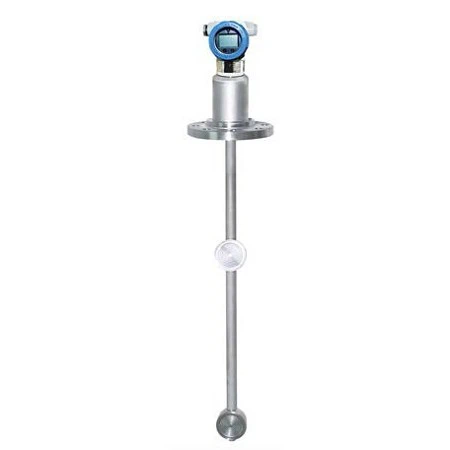
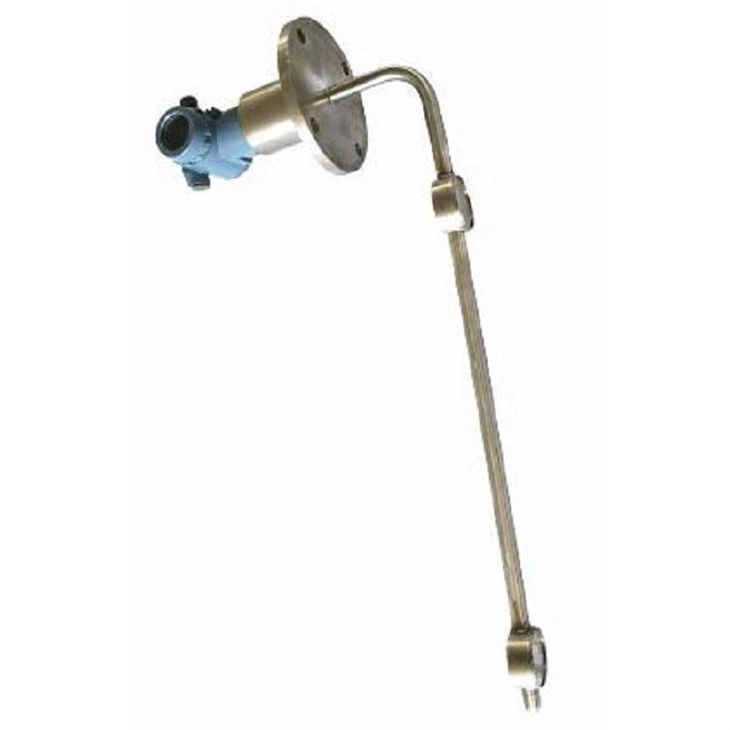
- Upright Position: For most DP Type Density Meters, storing them in an upright position is recommended. This helps to prevent any fluid from pooling inside the meter and causing damage. If the meter has a specific orientation marked on it, make sure to follow that during storage.
- Avoid Vibration: Vibration can cause the internal components of the meter to shift or become loose. Store the meter in a location where it will not be subjected to excessive vibration. If possible, place the meter on a soft, shock - absorbing surface.
Protection and Covering
To provide an extra layer of protection, consider using appropriate covers or cases.
- Manufacturer - provided Cover: Many DP Type Density Meters come with a protective cover from the manufacturer. Use this cover to shield the meter from dust, scratches, and minor impacts.
- Custom - made Case: If the manufacturer - provided cover is not sufficient, you can consider getting a custom - made case. A well - designed case can offer better protection and can be tailored to fit the specific dimensions of the meter.
Regular Checks
Even during storage, it is important to perform regular checks on the DP Type Density Meter.
- Visual Inspection: Every few months, conduct a visual inspection of the meter. Check for any signs of corrosion, damage, or changes in appearance. Look for any signs of moisture inside the storage container or on the meter itself.
- Functionality Testing: Periodically, test the basic functionality of the meter. This can help to detect any potential problems early on. However, make sure to follow the proper testing procedures and safety guidelines.
Re - commissioning after Storage
When it is time to use the DP Type Density Meter again, proper re - commissioning is necessary.
- Inspection: Before using the meter, conduct a thorough inspection similar to the pre - storage inspection. Check for any damages that may have occurred during storage.
- Calibration: Since the meter may have been out of use for some time, it is important to calibrate it before use. Follow the calibration procedures provided by the manufacturer to ensure accurate readings.
- Functionality Test: Perform a comprehensive functionality test to make sure that the meter is working properly. This may involve testing it with known standards or using it in a controlled environment.
Conclusion
Proper storage of a DP Type Density Meter is essential for maintaining its performance and extending its lifespan. By following the guidelines outlined in this blog, you can ensure that your density meter remains in optimal condition during periods of non - use.
If you are in the market for a high - quality DP Type Density Meter or have any questions regarding storage, operation, or maintenance, I invite you to contact me for a detailed discussion. Our team of experts is always ready to assist you in finding the best solution for your specific needs.
References
- Manufacturer's user manuals and technical documents for DP Type Density Meters.
- Industry standards and best practices for instrument storage and maintenance.


