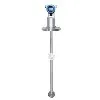
How to protect the 3051DP Transmitter from over - pressure?
As a trusted supplier of the 3051DP Transmitter, I understand the critical importance of safeguarding this high - performance device from over - pressure situations. Over - pressure can not only cause immediate damage to the transmitter but also lead to long - term performance degradation, affecting the accuracy and reliability of pressure measurements in various industrial applications. In this blog, I will share some effective strategies and best practices to protect the 3051DP Transmitter from over - pressure.
Understanding the 3051DP Transmitter
Before delving into over - pressure protection, it's essential to have a basic understanding of the 3051DP Transmitter. The 3051 Transmitter is a state - of the - art Smart Differential Pressure Transmitter 4 - 20mA that offers exceptional accuracy, stability, and reliability. It is widely used in industries such as oil and gas, chemical, power generation, and water treatment to measure differential pressure, gauge pressure, and absolute pressure.
The 3051DP Transmitter operates based on advanced sensor technology, which is sensitive to pressure changes. When exposed to excessive pressure, the internal components of the transmitter, such as the sensing diaphragm, can be damaged, leading to inaccurate readings or even complete failure of the device.
Causes of Over - pressure
Over - pressure in a 3051DP Transmitter can occur due to several reasons:
- Process Upsets: In industrial processes, sudden changes in flow rate, temperature, or valve positions can cause a rapid increase in pressure. For example, a blockage in a pipeline can lead to a significant build - up of pressure upstream of the blockage.
- Instrument Malfunction: Faulty valves, pumps, or other control devices can cause abnormal pressure spikes. A malfunctioning pressure relief valve may fail to open when the pressure exceeds the set limit, resulting in over - pressure.
- Human Error: Incorrect operation of equipment, such as improper valve settings or incorrect start - up procedures, can also lead to over - pressure situations.
Strategies for Over - pressure Protection
1. Install Pressure Relief Devices
One of the most effective ways to protect the 3051DP Transmitter from over - pressure is to install pressure relief devices, such as pressure relief valves or rupture discs. These devices are designed to open automatically when the pressure exceeds a pre - set limit, allowing the excess pressure to be released safely.
Pressure relief valves are adjustable and can be set to open at a specific pressure. They can be reused after the pressure has been relieved. Rupture discs, on the other hand, are non - reusable and burst at a predetermined pressure. They provide a rapid and reliable way to relieve over - pressure in critical applications.


When selecting pressure relief devices, it's important to consider the maximum pressure rating of the 3051DP Transmitter and the expected over - pressure scenarios. The relief capacity of the device should be sufficient to handle the maximum possible pressure build - up.
2. Use Pressure Limiters
Pressure limiters are another option for over - pressure protection. These devices are installed in the pressure line between the process and the 3051DP Transmitter. They are designed to limit the pressure reaching the transmitter to a safe level.
There are different types of pressure limiters, such as mechanical and electronic limiters. Mechanical limiters use a spring - loaded mechanism to restrict the pressure, while electronic limiters use sensors and control circuits to monitor and regulate the pressure.
Pressure limiters can provide an additional layer of protection, especially in applications where pressure relief devices may not be sufficient or practical.
3. Implement Pressure Monitoring and Alarm Systems
Installing pressure monitoring and alarm systems can help detect over - pressure situations in real - time. These systems continuously monitor the pressure in the process and trigger an alarm when the pressure exceeds a pre - set threshold.
The alarm can be visual, audible, or both, depending on the application requirements. In addition to alarms, some pressure monitoring systems can also be configured to automatically shut down the process or take other corrective actions to prevent over - pressure damage.
By implementing a pressure monitoring and alarm system, operators can be alerted to potential over - pressure situations before they cause significant damage to the 3051DP Transmitter.
4. Select the Right Transmitter Model
When choosing a 3051DP Transmitter for an application, it's important to select a model with an appropriate pressure rating. The pressure rating of the transmitter should be higher than the maximum expected operating pressure in the process.
Some 3051DP Transmitters are designed with built - in over - pressure protection features, such as a high - overload sensing element. These models can withstand higher levels of over - pressure without damage, providing an additional margin of safety.
5. Regular Maintenance and Inspection
Regular maintenance and inspection of the 3051DP Transmitter and associated equipment are crucial for over - pressure protection. During maintenance, check the pressure relief devices, pressure limiters, and pressure monitoring systems to ensure they are functioning properly.
Inspect the pressure lines for any signs of leaks, blockages, or damage. Replace any worn or damaged components promptly. Calibrate the transmitter regularly to ensure accurate pressure measurements.
Importance of Over - pressure Protection
Protecting the 3051DP Transmitter from over - pressure is not only important for the longevity and performance of the device but also for the safety and efficiency of the entire industrial process.
A damaged 3051DP Transmitter can lead to inaccurate pressure measurements, which can result in improper control of the process. This can lead to product quality issues, increased energy consumption, and even safety hazards. By implementing effective over - pressure protection strategies, you can minimize the risk of these problems and ensure the smooth operation of your industrial process.
Conclusion
As a supplier of the 3051DP Transmitter, I am committed to providing our customers with the best solutions for over - pressure protection. By following the strategies outlined in this blog, you can effectively protect your 3051DP Transmitter from over - pressure and ensure its long - term performance and reliability.
If you are interested in purchasing a Smart Pressure Transmitter or need more information about over - pressure protection for the 3051DP Transmitter, please feel free to contact us for procurement and further discussion. We are here to help you make the right choices for your industrial applications.
References
- Emerson Process Management. "3051 Pressure Transmitter User's Guide."
- Instrumentation Handbook. "Pressure Measurement and Control."