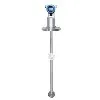
Hey there! As a supplier of ultrasonic flowmeters, I've seen firsthand how these nifty devices can make a huge difference in various industries. But just like any piece of equipment, they need a little TLC to stay in tip - top shape. So, let's dive into how you can protect an ultrasonic flowmeter from damage.
Understanding the Basics
First off, it's crucial to know what an ultrasonic flowmeter is and how it works. Ultrasonic flowmeters measure the flow of liquids or gases using ultrasonic waves. They're super useful because they can provide accurate readings without being invasive in many cases. We offer different types of ultrasonic flowmeters, like the Handhold Ultrasonic Flowmeter, which is great for on - the - go measurements, the Non Invasive Ultrasonic Flowmeter, perfect for situations where you don't want to disrupt the pipeline, and the Open Channel Flowmeter, designed for measuring flow in open channels.
Installation Matters
One of the first steps in protecting your ultrasonic flowmeter is getting the installation right. A proper installation ensures accurate readings and reduces the risk of damage.


- Location, Location, Location: Choose a spot for the flowmeter that's away from sources of vibration and excessive heat. Vibration can cause the sensors to misalign, leading to inaccurate readings and even sensor damage over time. Heat can affect the electronic components of the flowmeter, so avoid placing it near furnaces, boilers, or other high - temperature equipment.
- Proper Mounting: Make sure the flowmeter is mounted securely according to the manufacturer's instructions. Loose mounting can cause the flowmeter to move during operation, which can also lead to misalignment and inaccurate readings. If you're using a non - invasive flowmeter, ensure that the sensors are properly attached to the pipe surface. Any air gaps or improper contact can disrupt the ultrasonic signal.
Environmental Protection
The environment where the flowmeter operates plays a big role in its lifespan. Here's how you can protect it from environmental factors.
- Dust and Debris: Dust and debris can accumulate on the sensors and other components of the flowmeter, interfering with the ultrasonic signal. If the flowmeter is installed in a dusty environment, consider using a protective enclosure. You can also regularly clean the flowmeter to remove any dust or debris that has built up.
- Moisture and Humidity: Moisture is the enemy of electronic components. If the flowmeter is exposed to high humidity or water splashes, it can cause corrosion and short - circuits. Make sure the flowmeter is installed in a dry area. If that's not possible, use a waterproof enclosure. Some flowmeters are designed to be more resistant to moisture, so you might want to consider those if you're dealing with a wet environment.
- Chemical Exposure: If the flowmeter is in an area where it might be exposed to chemicals, choose a model that's resistant to those chemicals. Chemicals can corrode the sensors and other parts of the flowmeter, leading to premature failure. You can also use chemical - resistant coatings or enclosures to protect the flowmeter.
Regular Maintenance
Regular maintenance is key to keeping your ultrasonic flowmeter in good condition.
- Calibration: Over time, the flowmeter may need to be calibrated to ensure accurate readings. Follow the manufacturer's recommendations for calibration intervals. Calibration involves comparing the flowmeter's readings to a known standard and adjusting it if necessary.
- Sensor Inspection: Check the sensors regularly for any signs of damage, such as cracks or wear. If you notice any issues with the sensors, replace them as soon as possible. Damaged sensors can lead to inaccurate readings and may even cause the flowmeter to malfunction.
- Software Updates: Keep the flowmeter's software up - to - date. Software updates can improve the performance of the flowmeter, fix bugs, and add new features. Most modern flowmeters allow for easy software updates, either through a USB connection or over the internet.
Handling and Operation
How you handle and operate the flowmeter also affects its durability.
- Gentle Handling: When moving or installing the flowmeter, handle it gently. Avoid dropping or hitting it, as this can damage the internal components.
- Proper Operation: Follow the operating instructions carefully. Don't exceed the flowmeter's rated capacity, as this can put too much stress on the sensors and other parts. Also, make sure to operate the flowmeter within the recommended temperature and pressure ranges.
Training and Education
Make sure the people who operate and maintain the flowmeter are properly trained. A trained operator is more likely to handle the flowmeter correctly, perform maintenance tasks on time, and detect any potential problems early. Provide training on the installation, operation, calibration, and maintenance of the flowmeter. You can also offer refresher courses periodically to keep the operators' skills up - to - date.
Monitoring and Troubleshooting
Regularly monitor the flowmeter's performance. Keep an eye on the readings and look for any signs of abnormal behavior, such as sudden changes in flow rate or erratic readings. If you notice any issues, troubleshoot them immediately. Many flowmeters come with built - in diagnostic tools that can help you identify the problem. If you're unable to resolve the issue on your own, contact the manufacturer or a qualified technician for assistance.
Conclusion
Protecting an ultrasonic flowmeter from damage is all about taking a proactive approach. From proper installation and environmental protection to regular maintenance and correct handling, every step matters. By following these tips, you can ensure that your ultrasonic flowmeter provides accurate readings and lasts for a long time.
If you're in the market for an ultrasonic flowmeter or need more information on how to protect your existing one, we're here to help. Our team of experts can guide you through the selection process and provide you with all the support you need. Contact us to start a conversation about your flow measurement needs.
References
- Manufacturer's manuals and installation guides for ultrasonic flowmeters
- Industry standards and best practices for flow measurement and equipment protection