Installing a slight gas flowmeter in a complex pipeline network can be a challenging yet rewarding task. As a supplier of high - quality Slight Gas Flowmeters, I've witnessed firsthand the importance of a proper installation process. In this blog, I'll share some key steps and considerations to ensure a successful installation.
Understanding the Pipeline Network
Before you even begin the installation, it's crucial to have a comprehensive understanding of the complex pipeline network. This includes knowing the layout of the pipes, the type of gas flowing through them, the pressure and temperature conditions, and the flow rate range.
The layout of the pipes can significantly affect the performance of the flowmeter. For example, if there are sharp bends, elbows, or valves near the installation point, they can cause turbulence in the gas flow, which may lead to inaccurate measurements. You need to identify a straight section of the pipe where the gas flow is relatively stable. A general rule of thumb is to have at least 10 - 15 pipe diameters of straight pipe upstream and 5 - 10 pipe diameters downstream of the flowmeter installation point.
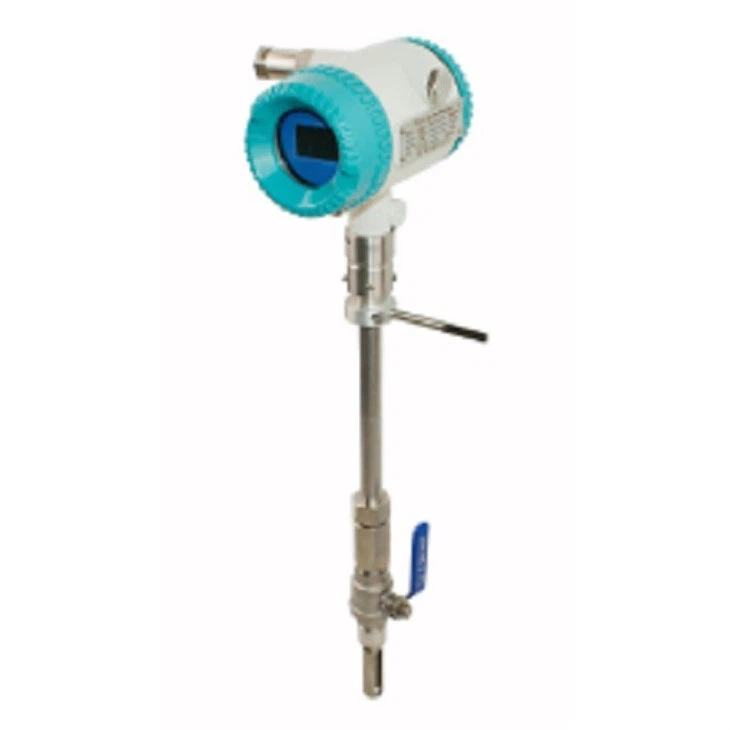
The type of gas is also important. Different gases have different physical properties, such as density and viscosity. These properties can influence the calibration and performance of the flowmeter. For instance, if you're measuring the flow of biogas, which is a mixture of methane and carbon dioxide, you'll need a flowmeter that is specifically designed to handle such a gas mixture. Our Thermal Mass Gas Flowmeter For Biogas is an excellent choice for this application, as it can accurately measure the flow of biogas under various conditions.
Pressure and temperature are two other critical factors. High - pressure or high - temperature environments can put stress on the flowmeter and affect its accuracy. Make sure to select a flowmeter that is rated for the specific pressure and temperature range of your pipeline network.
Selecting the Right Slight Gas Flowmeter
Once you have a clear understanding of the pipeline network, the next step is to select the right Slight Gas Flowmeter. There are several types of flowmeters available on the market, each with its own advantages and disadvantages.
Our Slight Gas Flowmeter is a popular choice for many applications. It uses thermal technology to measure the mass flow rate of the gas directly, without the need for additional pressure and temperature compensation. This makes it highly accurate and reliable, even in complex pipeline networks.
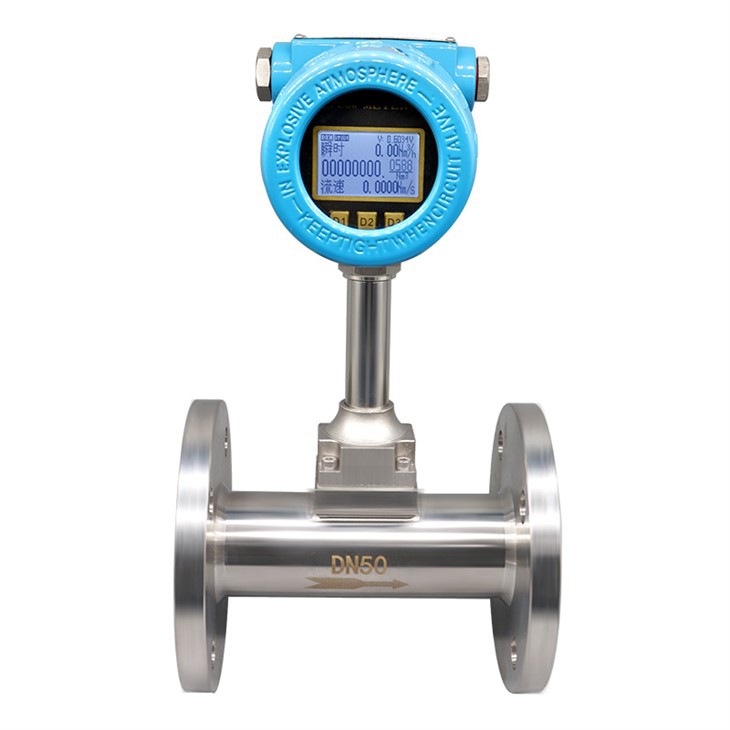
If you need a flowmeter with a digital display for easy monitoring, our Thermal Gas Mass Flowmeter with Digit Display is a great option. It provides real - time flow rate readings and can be easily integrated into your existing control system.
When selecting a flowmeter, consider factors such as accuracy, rangeability, response time, and cost. You want to choose a flowmeter that meets your specific requirements while also being cost - effective.
Preparing for Installation
Before installing the flowmeter, you need to prepare the pipeline and the flowmeter itself.
First, clean the pipeline thoroughly to remove any debris, dirt, or rust. These contaminants can damage the flowmeter and affect its performance. Use a suitable cleaning agent and a brush or a pipe cleaner to clean the inside of the pipe.
Next, check the flowmeter for any damage or defects. Inspect the sensor, the electronics, and the housing for any signs of wear or corrosion. Make sure all the connections are tight and secure.
You'll also need to gather all the necessary tools and materials for the installation. This may include wrenches, screwdrivers, gaskets, and sealants. Make sure you have the correct size and type of tools for the job.
Installation Process
The installation process of the slight gas flowmeter typically involves the following steps:
- Mark the Installation Point: Based on your understanding of the pipeline network, mark the location where you want to install the flowmeter. Make sure it is in a straight section of the pipe with the appropriate upstream and downstream straight - run requirements.
- Cut the Pipe: Use a pipe cutter to cut the pipe at the marked location. Make sure the cut is clean and straight. Remove any burrs or sharp edges from the cut ends of the pipe.
- Install the Flanges or Fittings: If your flowmeter uses flanges or fittings for connection, install them on the cut ends of the pipe. Use a gasket between the flange and the pipe to ensure a leak - tight seal. Tighten the bolts evenly to prevent any misalignment.
- Mount the Flowmeter: Carefully place the flowmeter between the flanges or fittings and align it properly. Make sure the flow direction arrow on the flowmeter matches the actual flow direction of the gas in the pipeline.
- Connect the Wiring: Connect the wiring from the flowmeter to the power supply and the control system. Follow the wiring diagram provided by the manufacturer to ensure correct connections. Make sure all the connections are insulated and protected from moisture and damage.
- Test the Installation: Once the flowmeter is installed and connected, test the installation to make sure it is working properly. Start the gas flow in the pipeline and check the flowmeter readings. Compare the readings with the expected values to ensure accuracy.
Calibration and Commissioning
After the installation, the flowmeter needs to be calibrated and commissioned. Calibration is the process of adjusting the flowmeter to ensure accurate measurements. It involves comparing the flowmeter readings with a known standard and making any necessary adjustments.
Commissioning is the process of putting the flowmeter into operation and verifying its performance under normal operating conditions. This may include checking the response time, the rangeability, and the stability of the flowmeter.
Our technical support team can assist you with the calibration and commissioning process. We can provide you with detailed instructions and guidance to ensure that your flowmeter is calibrated and commissioned correctly.
Maintenance and Troubleshooting
Regular maintenance is essential to keep the slight gas flowmeter in good working condition. This may include cleaning the sensor, checking the wiring connections, and inspecting the housing for any damage.
If you encounter any problems with the flowmeter, such as inaccurate readings or a malfunction, our technical support team is available to help you troubleshoot the issue. We have a wealth of experience in diagnosing and solving flowmeter problems, and we can provide you with the necessary solutions to get your flowmeter back up and running quickly.
Conclusion
Installing a slight gas flowmeter in a complex pipeline network requires careful planning, proper selection, and accurate installation. By following the steps and considerations outlined in this blog, you can ensure a successful installation and reliable performance of your flowmeter.
If you're interested in purchasing our high - quality Slight Gas Flowmeters or need more information about installation, calibration, or maintenance, please feel free to contact us. We're here to help you find the best solution for your gas flow measurement needs.
References
- "Flow Measurement Handbook: Principles and Practice" by Richard W. Miller
- Manufacturer's manuals for Slight Gas Flowmeters, Thermal Gas Mass Flowmeters with Digit Display, and Thermal Mass Gas Flowmeters For Biogas