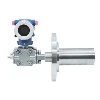
Installing a Roots flowmeter for gas in a small - diameter pipeline requires careful planning and precise execution. As a supplier of Roots Flowmeter for Gas, I have witnessed firsthand the importance of a proper installation process to ensure accurate measurement and long - term reliability. In this blog, I will guide you through the step - by - step process of installing a Roots flowmeter for gas in a small - diameter pipeline.
Understanding the Roots Flowmeter for Gas
Before diving into the installation process, it's essential to understand what a Roots flowmeter for gas is and how it works. A Gas Roots Flowmeter is a positive - displacement flowmeter that measures the volume of gas flowing through a pipeline. It consists of two or more rotating impellers (usually in the shape of lobes) that trap and transfer a fixed volume of gas with each rotation. By counting the number of rotations, the flowmeter can accurately determine the volume of gas that has passed through.
Pre - installation Preparations
1. Pipeline Inspection
The first step is to thoroughly inspect the small - diameter pipeline where the flowmeter will be installed. Check for any signs of damage, corrosion, or blockages. The pipeline should be clean and free from debris to ensure accurate flow measurement. If there are any issues, they should be addressed before proceeding with the installation.
2. Flowmeter Selection
Choose the appropriate Roots flowmeter for your specific application. Consider factors such as the gas type, flow rate range, pressure, and temperature. Ensure that the flowmeter has the correct diameter to match the pipeline. A mismatch in diameter can lead to inaccurate measurements and potential flow disturbances.
3. Tools and Materials
Gather all the necessary tools and materials for the installation. This may include wrenches, pipe cutters, sealants, gaskets, and mounting brackets. Make sure you have the correct size and type of tools for the job.
Installation Steps
1. Pipeline Preparation
- Cutting the Pipeline: If necessary, cut the small - diameter pipeline to create a space for the flowmeter. Use a pipe cutter to make a clean, straight cut. Ensure that the cut is perpendicular to the pipeline axis to prevent any flow disturbances.
- Deburring: After cutting, use a deburring tool to remove any sharp edges or burrs from the cut ends of the pipeline. This will prevent damage to the flowmeter and ensure a proper seal.
2. Mounting the Flowmeter
- Positioning: Carefully position the Roots flowmeter in the pipeline. The flowmeter should be installed in a horizontal or vertical position according to the manufacturer's recommendations. In most cases, a horizontal installation is preferred to ensure proper drainage of any condensate.
- Alignment: Align the flowmeter with the pipeline. Make sure that the inlet and outlet of the flowmeter are properly aligned with the pipeline openings. Use a level to ensure that the flowmeter is installed straight.
- Mounting: Secure the flowmeter to the pipeline using the appropriate mounting brackets. Tighten the bolts or screws evenly to prevent any leaks.
3. Connecting the Pipeline
- Gasket Installation: Place a gasket between the flowmeter and the pipeline flanges. The gasket should be made of a material that is compatible with the gas and the operating conditions. Apply a thin layer of sealant to the gasket to ensure a tight seal.
- Flange Connection: Connect the flowmeter to the pipeline using the flanges. Use wrenches to tighten the bolts evenly. Start by tightening the bolts in a cross - pattern to ensure uniform pressure distribution. Do not over - tighten the bolts, as this can damage the flanges or the gasket.
4. Electrical Connections
- Wiring: If the Roots flowmeter has electrical components, such as a transmitter or a display, connect the wiring according to the manufacturer's instructions. Make sure to use the correct wire gauge and follow all electrical safety procedures.
- Grounding: Properly ground the flowmeter to prevent any electrical interference or static buildup. This will ensure the reliable operation of the flowmeter and protect it from electrical damage.
Post - installation Checks
1. Leak Testing
After the installation is complete, conduct a leak test. Pressurize the pipeline to the operating pressure and check for any leaks around the flowmeter connections. Use a leak detection solution or a gas detector to identify any leaks. If a leak is detected, tighten the connections or replace the gasket as necessary.
2. Flow Calibration
Once the leak test is successful, calibrate the flowmeter. This may involve adjusting the flowmeter settings to match the actual flow conditions. Follow the manufacturer's calibration procedures carefully to ensure accurate flow measurement.


3. System Commissioning
After calibration, commission the entire gas flow system. Start the gas flow and monitor the flowmeter readings. Check for any abnormal readings or operating conditions. If there are any issues, troubleshoot and resolve them before putting the system into full operation.
Maintenance and Troubleshooting
1. Regular Maintenance
To ensure the long - term reliability of the Roots flowmeter, regular maintenance is required. This may include cleaning the flowmeter, checking the seals and gaskets, and inspecting the electrical connections. Follow the manufacturer's maintenance schedule and recommendations.
2. Troubleshooting
If the flowmeter is not providing accurate readings or is experiencing other issues, troubleshoot the problem. Check for any blockages in the pipeline, loose connections, or electrical problems. Refer to the manufacturer's troubleshooting guide for specific instructions.
Conclusion
Installing a Roots flowmeter for gas in a small - diameter pipeline is a complex but achievable task. By following the steps outlined in this blog, you can ensure a successful installation and accurate flow measurement. As a supplier of Gas Flowmeter, we are committed to providing high - quality products and technical support to our customers. If you are interested in purchasing a Roots flowmeter for your gas pipeline or need further assistance with the installation process, please feel free to contact us for more information and to discuss your specific requirements.
References
- Manufacturer's installation and operation manuals for Roots flowmeters.
- Industry standards and guidelines for gas flow measurement and pipeline installation.