Installing a DP (Differential Pressure) transmitter in a confined space can be a challenging yet crucial task. As a DP Transmitter supplier, I've encountered various scenarios where proper installation in tight quarters is essential for accurate pressure measurement and system functionality. In this blog, I'll share some insights and practical steps on how to install a DP transmitter in a confined space effectively.
Understanding the Challenges of Confined Space Installation
Confined spaces present unique challenges that need to be addressed before starting the installation process. Limited access, restricted movement, and potential safety hazards are some of the key issues. These spaces may include small equipment rooms, narrow pipe galleries, or enclosed cabinets. Working in such areas requires careful planning and the right tools to ensure a successful installation.
One of the primary concerns is the physical space available for maneuvering the DP transmitter. The unit needs to be positioned correctly to obtain accurate pressure readings, and this can be difficult when there is limited room to work. Additionally, confined spaces may have poor ventilation, which can lead to the accumulation of hazardous gases or heat, posing a risk to the installer.
Pre - Installation Preparation
Site Assessment
Before bringing the DP transmitter to the site, conduct a thorough site assessment. Identify the exact location where the transmitter will be installed and measure the available space. Note any obstacles, such as pipes, cables, or structural elements, that may interfere with the installation. This assessment will help you determine the best approach for installing the transmitter and whether any modifications to the site are required.
Safety Precautions
Safety should always be the top priority when working in a confined space. Ensure that all necessary safety equipment is available, including personal protective equipment (PPE) such as safety glasses, gloves, and a respirator if there is a risk of exposure to harmful substances. Obtain the necessary permits for working in the confined space and follow all safety regulations and procedures.
Equipment Inspection
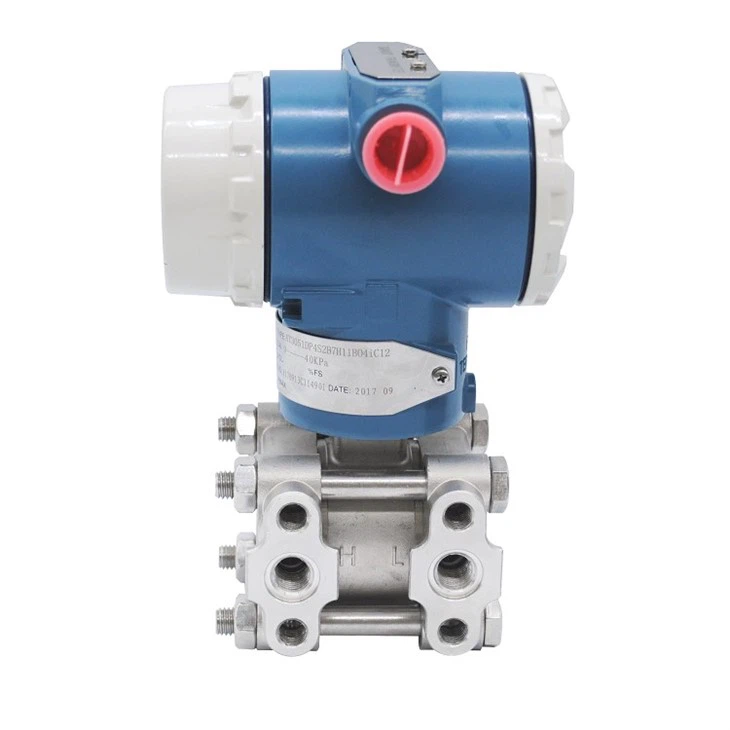
Inspect the DP transmitter thoroughly before installation. Check for any damage during transit and ensure that all components are present and in good working condition. Refer to the manufacturer's documentation for specific inspection guidelines. You can find more information about our high - quality DP Transmitter on our website.
Installation Steps
Mounting the Transmitter
- Select the Mounting Location: Choose a location that is easily accessible for maintenance and calibration. The mounting surface should be flat and stable to ensure accurate pressure measurement. In a confined space, you may need to use specialized mounting brackets or adapters to fit the transmitter in the available space.
- Prepare the Mounting Surface: Clean the mounting surface to remove any dirt, debris, or rust. If necessary, drill holes for the mounting bolts or screws according to the transmitter's mounting template.
- Install the Mounting Bracket: Attach the mounting bracket to the surface using the appropriate fasteners. Make sure the bracket is securely fixed and level.
- Mount the Transmitter: Carefully place the DP transmitter on the mounting bracket and secure it using the provided bolts or clamps. Ensure that the transmitter is properly aligned and tightened to prevent any movement.
Connecting the Pressure Lines
- Select the Right Tubing: Choose the appropriate tubing material and size for the pressure lines. The tubing should be compatible with the process fluid and have sufficient strength to withstand the pressure.
- Cut and Prepare the Tubing: Cut the tubing to the required length using a tubing cutter. Deburr the ends of the tubing to ensure a smooth connection.
- Connect the Tubing to the Transmitter: Use the appropriate fittings to connect the tubing to the pressure ports of the transmitter. Make sure the connections are tight and leak - free. In a confined space, you may need to use flexible tubing or angled fittings to navigate around obstacles.
- Connect the Tubing to the Process: Connect the other end of the tubing to the process taps. Ensure that the process taps are clean and free of debris to prevent blockages.
Electrical Wiring
- Select the Right Cable: Choose a cable that is suitable for the electrical requirements of the transmitter. The cable should have the appropriate insulation and rating for the voltage and current.
- Route the Cable: Route the cable from the transmitter to the control panel or data acquisition system. In a confined space, you may need to use cable trays or conduits to protect the cable and keep it organized.
- Connect the Cable to the Transmitter: Connect the cable to the electrical terminals of the transmitter according to the wiring diagram. Make sure the connections are secure and properly insulated.
- Ground the Transmitter: Proper grounding is essential for the safety and performance of the transmitter. Connect the grounding wire to the transmitter's grounding terminal and to a reliable ground source.
Calibration and Testing
After the installation is complete, it is important to calibrate and test the DP transmitter. This ensures that the transmitter is providing accurate pressure measurements.
- Zero and Span Calibration: Use a calibration device to perform zero and span calibration on the transmitter. Follow the manufacturer's instructions for the calibration procedure.
- Function Testing: Test the transmitter's functionality by applying known pressure differentials and verifying the output readings. Check for any leaks in the pressure lines and electrical connections.
- Data Logging: If possible, log the pressure data over a period of time to ensure the stability and accuracy of the measurements.
Troubleshooting and Maintenance
Even with proper installation, issues may arise with the DP transmitter. Here are some common problems and their solutions:
- Inaccurate Readings: Check for leaks in the pressure lines, improper calibration, or electrical interference.
- No Output: Verify the electrical connections, power supply, and the integrity of the cable.
- Excessive Noise: Check for electromagnetic interference from nearby equipment and ensure proper grounding.
Regular maintenance is also crucial for the long - term performance of the DP transmitter. This includes cleaning the pressure ports, checking the electrical connections, and performing periodic calibration.
Advantages of Our DP Transmitters in Confined Spaces
Our Smart Pressure Transmitter offers several advantages for installation in confined spaces. It has a compact design, which allows it to fit easily into tight areas. The advanced technology used in our transmitters ensures high accuracy and reliability, even in challenging environments. Additionally, our Pressure Transmitter Made in China is manufactured with strict quality control standards, providing you with a cost - effective solution.

Conclusion
Installing a DP transmitter in a confined space requires careful planning, proper preparation, and attention to detail. By following the steps outlined in this blog, you can ensure a successful installation and accurate pressure measurement. If you are interested in purchasing our high - quality DP transmitters or need further assistance with installation, please feel free to contact us for procurement and negotiation. We are committed to providing you with the best products and services.
References
- Manufacturer's Installation Manual for DP Transmitters
- OSHA Guidelines for Working in Confined Spaces
- Industry Standards for Pressure Transmitter Installation and Calibration